Table of Contents
The Power of Heat: Understanding Thermogenic Fat Burners
Heat and calorie burn: measurable gains
Thermogenic ingredients raise your resting energy expenditure by increasing cellular heat production; in controlled trials caffeine has been shown to boost metabolic rate by roughly 3–11%, while green tea extract (EGCG) combined with caffeine typically yields a 2–4% increase in 24‑hour energy expenditure. Capsaicin-containing compounds (from cayenne) tend to produce smaller effects — often adding 10–50 kcal/day in measured studies — but every calorie counts: if your resting metabolic rate is 1,600 kcal/day, a 4% uplift equals about 64 kcal/day, or ~450 kcal/week.
What that looks like in practice
Those gains translate to modest, cumulative results rather than overnight transformation: meta-analyses of catechin/caffeine combinations report small but significant extra weight loss over 8–12 week trials (often in the range of a few hundred grams to about 1 kg). If you use a thermogenic pre‑workout with ~200 mg caffeine you may also boost workout intensity and burn more calories during exercise, but expect variability based on your habitual caffeine intake, genetics, and tolerance — benefits often diminish if you chronically consume high stimulant doses.
Key Takeaways:
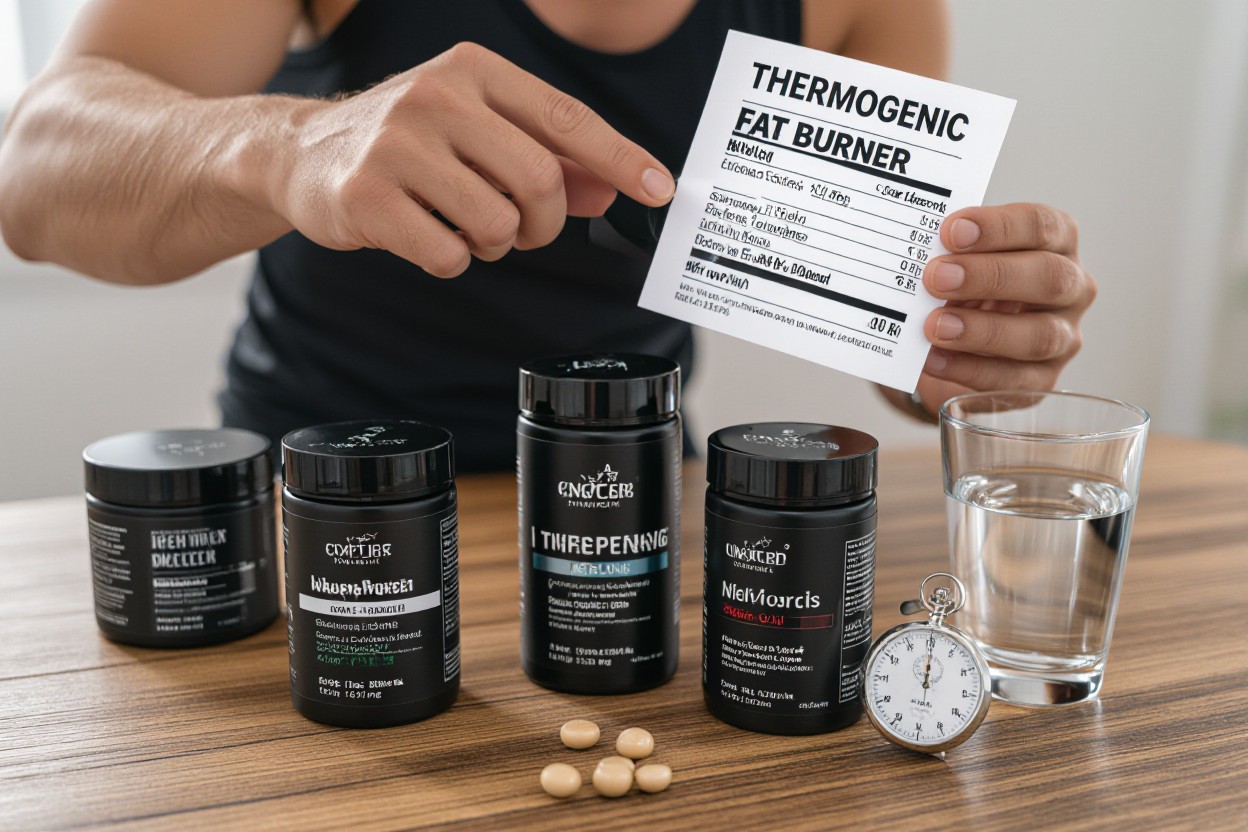
- Thermogenesis = body heat production that raises calorie expenditure; thermogenic burners aim to amplify this process to increase energy use.
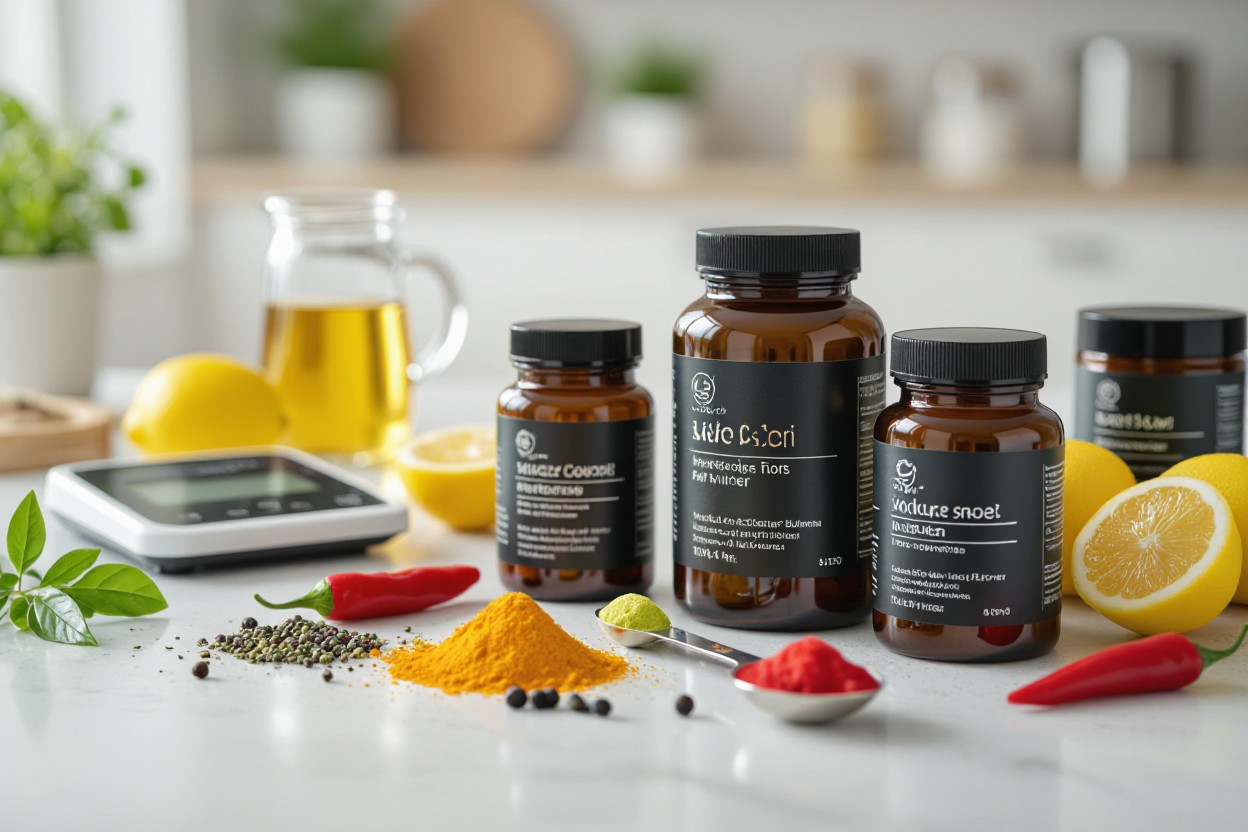
- Common effective ingredients include caffeine, green tea extract (EGCG), capsaicin (cayenne), yohimbine, and L‑carnitine—each works via stimulation, fat oxidation, or heat generation.
- Clinical evidence (notably for caffeine and green tea) shows short‑term metabolic boosts, but effects are modest and not a substitute for sustained diet and exercise.
- Potential benefits: slightly higher calorie burn, improved energy and workout performance, and some appetite suppression from stimulants.
- Risks: stimulant side effects (jitters, insomnia, anxiety), digestive issues, and safety concerns for people with heart disease or high blood pressure; consult a physician and avoid excess caffeine.
Thermogenic Mechanisms: How They Ignite Metabolism
Thermogenic supplements push your metabolism by amplifying sympathetic nervous system signals—mainly norepinephrine—which activates brown adipose tissue (BAT) and mitochondrial uncoupling (UCP1) pathways so that substrate oxidation produces heat instead of being fully converted to ATP. That biochemical shift increases your resting energy expenditure (RMR) for hours after dosing; clinical estimates for common thermogenics range from roughly a 3–11% rise in RMR depending on compound and dose, with variability based on body size and habitual caffeine use.
Different ingredients hit separate nodes of the same network: caffeine and green tea catechins boost central adrenergic tone and lipolysis, capsaicin stimulates TRPV1 receptors to raise heat production, and agents like yohimbine block alpha-2 receptors to sustain norepinephrine release. Translating those effects into practical numbers, most people see energy-expenditure gains on the order of ~40–100 kcal/day from typical doses—small individually, but enough to matter when paired with diet and exercise over weeks.
Caloric Expenditure: Creating Heat to Burn Fat
By increasing thermogenesis you elevate calorie burn both at rest and during low-intensity activity. For example, a single 200–400 mg caffeine dose can raise metabolic rate for several hours; for a 70 kg individual that commonly translates to an extra ~50–100 kcal of energy expenditure spread across the post-dose window. Repeated daily use yields cumulative calorie differences that support gradual fat loss when you maintain a caloric deficit.
Catecholamine-driven lipolysis is the core mechanism: norepinephrine binds beta-adrenergic receptors on adipocytes, releasing free fatty acids that mitochondria oxidize—some of which are dissipated as heat via uncoupling proteins. That shift toward fatty acid oxidation is most effective when you combine thermogenics with resistance training and adequate protein intake, otherwise appetite and compensatory behaviors can erode the net calorie deficit.
Stimulants and Energy: Enhancing Workout Performance
Stimulants improve your workout capacity by increasing alertness, lowering perceived exertion, and enhancing power output. Strong evidence supports caffeine at 3–6 mg/kg bodyweight as an ergogenic aid for endurance and high-intensity efforts; a 70 kg athlete taking 210–420 mg before exercise consistently posts faster time-trial results and higher total work in lab studies versus placebo. You’ll also notice sharper focus and quicker reaction times, which help maintain intensity on hard sets or long intervals.
Other stimulants—yohimbine, synephrine, and combinations like caffeine plus EGCG—can augment lipolytic signaling and sustain energy, but they bring a higher risk of heart rate and blood pressure effects. Timing matters: peak plasma concentrations generally arrive 30–60 minutes post-dose, so taking your stimulant 30–60 minutes before training aligns the thermogenic and ergogenic peaks with your workout window.
For dosing context, a 3–6 mg/kg caffeine strategy gives clear performance benefits but approaches the upper safe limit for many users—400 mg/day is the common practical ceiling for healthy adults; caffeine’s half-life of about 3–5 hours means late-day dosing can disrupt sleep. If you have hypertension, arrhythmias, or severe stimulant sensitivity, you should avoid or greatly reduce doses, and monitor heart rate and perceived anxiety when you trial any stimulant-based thermogenic.
The Science Speaks: Examining Efficacy and Research
Recent trials and meta-analyses show that thermogenic ingredients can raise your resting metabolic rate, but the magnitude is modest and highly dose-dependent. Caffeine and green tea extract are the best-supported agents: combined caffeine + EGCG formulas often produce measurable increases in daily energy expenditure, and you can read a practical breakdown of mechanisms and typical effects here How Do Fat Burners Work? (And, Are They Actually ….
Expect variation based on your baseline metabolism, body composition, and stimulant tolerance; athletes and lean individuals sometimes see larger percentage changes in metabolic rate, while people with higher body fat may register bigger absolute calorie burns simply because of greater total mass. Clinical outcomes are always tied to how you pair the supplement with diet and training.
Evidence from Clinical Studies: What the Data Really Says
Controlled trials on caffeine and green tea extract report average increases in resting energy expenditure ranging from roughly 3% to 10%, which translates to about 50–150 kcal/day in many study populations depending on dose (e.g., 100–300 mg caffeine, 100–300 mg EGCG). Trials of yohimbine and capsaicin show smaller, more variable effects and often depend on conditions like fasted state or regional fat mobilization; for example, yohimbine tends to produce stronger lipolytic signals in lean, fasted subjects but inconsistent weight-loss results in mixed cohorts.
Longer randomized controlled trials typically show short-term advantages versus placebo—often an extra 1–3 kg of weight loss over 8–12 weeks—but the effect size shrinks at 6 months and beyond unless you maintain caloric restriction and progressive training. Side-effect profiles in studies also matter: higher-dose stimulant blends produce greater dropouts due to jitteriness, insomnia, or elevated heart rate, which blunts real-world effectiveness.
Short-Term Gains vs. Sustainable Fat Loss
Thermogenics often give you a fast start: increased energy, slightly higher calorie burn, and appetite suppression that can accelerate early weight loss and adherence during the first 4–12 weeks. You may see bodyweight drop faster than peers on placebo, and some studies report improvements in body composition (small reductions in fat mass while preserving lean mass) when supplements are combined with resistance training and a calorie deficit.
Adaptive physiology reduces that advantage over time—metabolic compensation, receptor desensitization to stimulants, and behavioral offsets (eating more because you feel energized) commonly erode gains by 3–6 months. Cycling stimulants, keeping doses moderate (e.g., 100–200 mg caffeine per serving), and prioritizing progressive overload in the gym are practical ways to preserve benefit.
More detail on sustainability: you’ll maintain most of the short-term edge only if you use thermogenics as an adjunct to a structured plan—consistent calorie control, adequate protein to protect muscle, and strength training to raise your resting metabolic rate—otherwise the initial 1–3 kg advantage typically diminishes and can reverse once you stop the supplement.
The Upsides of Choosing Thermogenic Fat Burners
Metabolic Acceleration and Enhanced Focus
You can expect a measurable short-term lift in resting energy expenditure from common thermogenic ingredients: caffeine routinely raises metabolic rate by roughly 3–11% depending on dose and tolerance, and green tea extract (EGCG) plus caffeine has increased 24-hour energy expenditure by around 4% in controlled studies. Typical thermogenic formulations deliver 150–300 mg of caffeine per serving; at 3–6 mg/kg body weight caffeine has been shown to improve high-intensity performance, so dosing matters for both metabolism and exercise output. See Can Thermogenic Supplements Help You Burn Fat? for a concise summary of the clinical findings linking thermogenics to fat oxidation and calorie burn.
Beyond numbers, you’ll notice clearer focus and lower perceived exertion during workouts with stimulatory blends. Caffeine and similar actives increase alertness, raise motor unit recruitment and can boost power and endurance—effects that help you train harder and potentially burn more calories over time. Combining stimulants with sensible pre-workout timing (30–60 minutes before exercise) often produces the best acute performance gains documented in trials.
Potential for Appetite Regulation
You may experience temporary appetite suppression after taking thermogenic supplements because stimulants like caffeine and yohimbine increase norepinephrine and dopamine, which blunt hunger signals for a few hours. Clinical trials report modest reductions in short-term calorie intake—commonly in the range of tens to a couple hundred calories at the next meal—making thermogenics a useful short-term adjunct when you’re controlling portions or cutting calories.
Longer-term appetite control is less reliable; suppression tends to wane as tolerance develops and compensatory hunger can appear later in the day. If you rely on thermogenics for appetite control, pair them with a structured meal plan and monitor total daily intake so transient drops in hunger don’t lead to rebound overeating.

Navigating Risks: The Downside of Stimulants
Many thermogenic blends rely on stimulants that can lift metabolic rate but also push your cardiovascular system—expect measurable increases in heart rate and blood pressure in sensitive users. Stimulant stacking (a fat-burner plus a strong pre-workout or several cups of coffee) commonly pushes total caffeine well past the 300–500 mg range, which raises the likelihood of palpitations, insomnia, and heightened anxiety; the FDA guidance for healthy adults generally caps caffeine at about 400 mg/day. For a concise rundown of ingredient profiles and warnings you can review Everything you need to know about fat burners. – QNT.
Underlying medical issues and drug interactions amplify risk: stimulants like yohimbine or high-dose caffeine can worsen hypertension, provoke arrhythmias in predisposed people, and interact with antidepressants or MAO inhibitors. You should treat thermogenics as active pharmacology—monitor resting heart rate and blood pressure, avoid adding extra sources of stimulants, and weigh any short-term metabolic bump against the potential for disrupted sleep, cortisol elevation, and impaired recovery that can blunt long-term fat-loss efforts.
Common Side Effects: Jitters, Anxiety, and More
Expect side effects that appear within 30–90 minutes of dosing and can last several hours depending on ingredient half-lives (caffeine ~3–5 hours). Typical complaints include jitteriness, tremor, racing heart, nervousness, and sleep disruption; gastrointestinal issues such as nausea or loose stools are common with concentrated extracts. Workout-related benefits like increased energy sometimes come with overstimulation—if you notice persistent tremor or feelings of derealization, down-titrate or stop the product.
Watch for clinical red flags: chest pain, fainting, severe shortness of breath, or a resting heart rate consistently above 100 bpm require immediate medical attention. Manage milder effects by lowering the dose, splitting doses earlier in the day, and avoiding other stimulant sources; switching to caffeine-free formulations or lower-yohimbine products often resolves these symptoms.
Important Safety Precautions You Can’t Ignore
Screen yourself before you use: if you have diagnosed hypertension, arrhythmia, coronary artery disease, are pregnant or breastfeeding, or are under 18, these products are not for you. Obtain baseline measurements—resting heart rate and blood pressure—and share them with your clinician if you plan to start a thermogenic. Prescription medications, especially stimulants, SSRIs, SNRIs, and MAO inhibitors, can interact unpredictably with fat-burner ingredients.
Adopt conservative dosing practices: begin at one-third to one-half the recommended dose for the first week, avoid stacking with pre-workouts or multiple caffeinated beverages, and keep total daily caffeine below ~400 mg if you’re otherwise healthy. Schedule your last dose at least 6–8 hours before bedtime to protect sleep, and discontinue use for any unexplained chest pain, severe anxiety, or significant blood-pressure elevations.
Tactical measures that reduce risk include cycling use (for example 4–8 weeks on, 1–2 weeks off), taking the product with food if you experience stomach upset, staying well hydrated to support circulation, and tracking subjective effects alongside objective metrics (sleep quality, blood pressure, resting HR). If you plan to combine a thermogenic with other supplements or medications, consult a healthcare provider who can assess interactions and give individualized limits.
Who Should Embrace Thermogenic Fat Burners?
Ideal Candidates: Who Benefits Most?
If you already follow a calorie-controlled diet and train regularly (resistance work or HIIT ≥3 sessions per week), thermogenics can provide a measurable edge: clinical data show caffeine at 100–200 mg can raise resting metabolic rate by roughly 3–11%, and caffeine plus green tea extract (EGCG) produces additional small but consistent increases in energy expenditure that may translate to ~1–2 kg greater weight loss over 8–12 weeks in some trials. You’ll get the best bang-for-buck when a fat burner complements, rather than replaces, a structured nutrition and exercise plan.
You should also tolerate stimulants well to be an ideal candidate. Practical product targets include a transparency in dosing (100–300 mg caffeine per serving, green tea extract standardized to provide ~50–150 mg EGCG, capsaicin/cayenne in the 2–10 mg capsaicinoid range, or conservative yohimbine doses of 2.5–10 mg if used). Athletes looking for sharper focus, modest appetite suppression, or a small boost in workout intensity (studies report ~5–10% improvements in perceived energy/output) tend to benefit more than sedentary users expecting large, passive weight loss.
Cautionary Tales: When to Avoid
If you have cardiovascular disease, uncontrolled hypertension (consistently >140/90 mmHg), a history of arrhythmia, or are pregnant or breastfeeding, steer clear of stimulant-heavy thermogenics. Drugs that commonly interact include MAO inhibitors, some antidepressants, certain blood pressure medications and stimulants; yohimbine in particular raises heart rate and blood pressure and has documented adverse interactions, so combining it with prescribed stimulants or antihypertensives can be dangerous.
Sensitivity to stimulants, diagnosed anxiety disorders, or age over 65 often increases risk of side effects like insomnia, jitters, and palpitations; exceeding 400 mg total caffeine per day (the commonly cited upper limit for healthy adults) is a frequent cause of adverse reactions when people stack supplements with coffee or energy drinks. Case reports exist of otherwise healthy individuals experiencing significant palpitations and elevated blood pressure after combining high-dose caffeine (≥300 mg) with yohimbine or multiple stimulant products.
Check product labels closely, start at half the recommended dose for 7–14 days to assess tolerance, and monitor your resting heart rate and blood pressure (a consistent rise of ~10–15 bpm or systolic increases >10 mmHg warrants stopping use). Avoid taking stimulants within 6 hours of bedtime, never stack multiple stimulant sources, and consult your healthcare provider if you use prescription medications—this prevents interactions and helps you decide whether a stimulant-free option or non-thermogenic strategy is safer for your goals.
Conclusion
Upon reflecting, you should understand that thermogenic fat burners can deliver a modest, short-term metabolic boost by increasing heat production and energy expenditure through ingredients like caffeine, green tea extract, capsaicin, and yohimbine. You may notice improved workout energy, slight appetite suppression, and marginally higher calorie burn, but clinical evidence indicates these effects are generally small and often transient rather than transformative on their own.
You should treat thermogenics as adjuncts to, not replacements for, a calorie-controlled diet, consistent exercise, adequate sleep, and proper hydration; when used appropriately they can support your efforts, but they also carry stimulant-related risks such as jitters, insomnia, and increased heart rate. You should consult a healthcare professional if you have cardiovascular issues, high blood pressure, or sensitivity to stimulants, and plan for sustainable lifestyle changes to achieve long-term fat loss.
FAQ
Q: What are thermogenic fat burners and how do they claim to work?
A: Thermogenic fat burners are supplements that aim to increase thermogenesis — the body’s heat production — to raise energy expenditure. They typically contain stimulants and plant extracts (caffeine, green tea extract/EGCG, capsaicin from cayenne, yohimbine) that increase metabolic rate, boost energy for training, and can suppress appetite indirectly. The net claim is more calories burned at rest and during exercise, plus enhanced workout capacity.
Q: Do thermogenic fat burners actually boost metabolism?
A: Yes, some ingredients (notably caffeine and green tea extract) have clinical evidence showing modest short-term increases in resting energy expenditure and fat oxidation. The boost is generally small (often a single-digit percent increase) and tends to be acute rather than long lasting. Long-term bodyweight reductions from thermogenics alone are limited; consistent diet and exercise are required for meaningful, sustained fat loss.
Q: Which thermogenic ingredients have the best scientific support?
A: Caffeine and green tea extract (EGCG) have the strongest evidence for increasing metabolic rate and fat oxidation. Capsaicin/cayenne produces modest thermogenesis and can slightly increase calorie burn. Yohimbine can promote fat mobilization in certain contexts but carries higher risk of side effects. L-carnitine’s effects are mixed and generally weaker. Ingredient synergy (e.g., EGCG+caffeine) often drives better results than single compounds.
Q: What are common side effects and key safety warnings?
A: Common issues include jitteriness, elevated heart rate, increased blood pressure, anxiety, insomnia, and digestive upset. Serious risks rise when doses are high or supplements are stacked with other stimulants or excessive coffee. Not recommended for people with heart disease, uncontrolled high blood pressure, pregnancy or breastfeeding, or known stimulant sensitivity. Always check total daily caffeine and consult a healthcare provider before use.
Q: How should I use thermogenic fat burners to maximize results and minimize risk?
A: Use them as an adjunct to a calorie-controlled diet and structured exercise plan, not as a stand-alone solution. Take clinically dosed products and start with a low dose to assess tolerance. Prefer timing them pre-workout for energy, avoid combining with large amounts of coffee, stay well hydrated, prioritize sleep, and cycle off periodically. If you have medical conditions or take medications, consult your physician before starting.