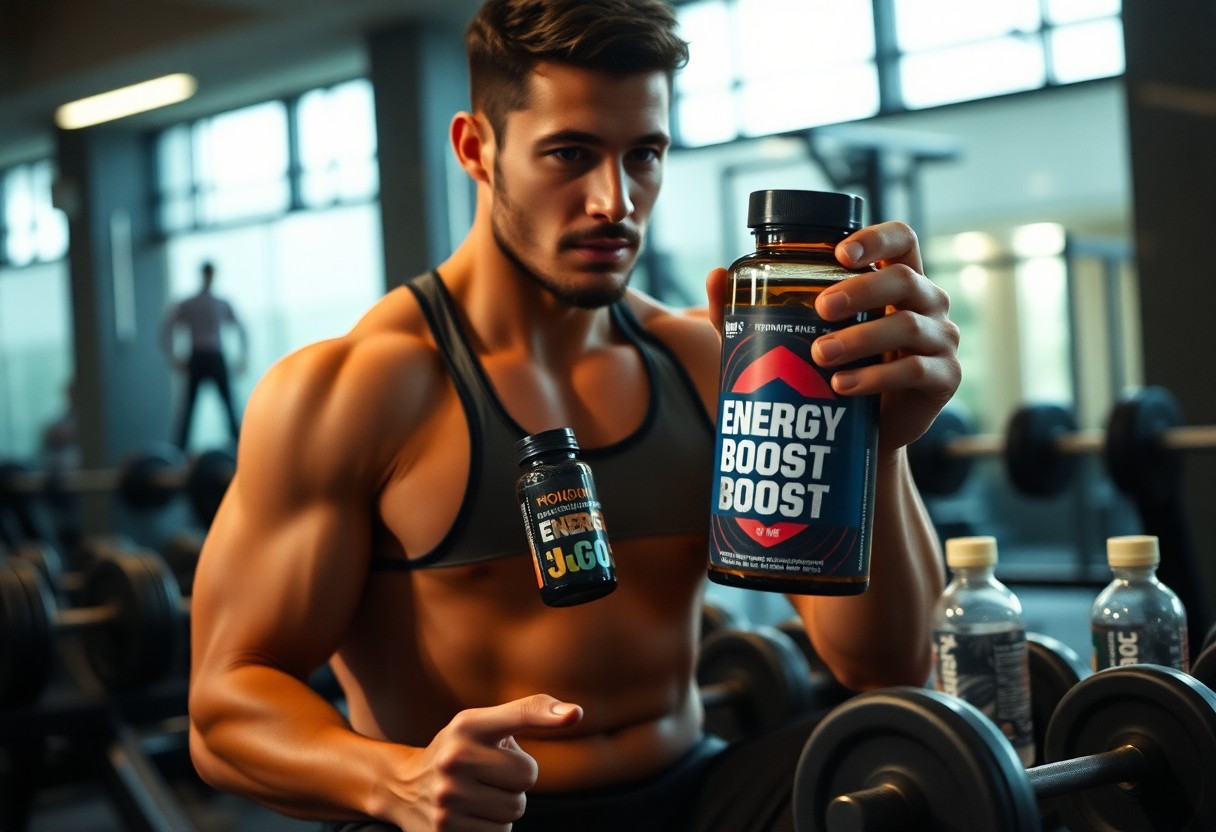
You may be considering diet pills as part of your regimen to enhance performance and reach your fitness goals. While these supplements can offer benefits like increased energy and improved recovery, it’s vital to approach them with caution. Some products may contain harmful ingredients that could jeopardize your health. Understanding the potential impacts, both positive and negative, will help you make informed choices that align with your active lifestyle.
Table of Contents
Key Takeaways:
- Diet pills can support energy levels and enhance performance for athletes and fitness enthusiasts.
- Ingredients in diet pills, such as caffeine and BCAAs, may aid in fat loss and muscle recovery.
- Not all diet pills are suitable for all athletes; individual needs and health conditions should be considered.
- Consultation with a healthcare professional is advised before starting any diet pill regimen.
- Diet pills should complement a balanced diet and active lifestyle, not replace them.
The Science of Performance Enhancement
Mechanisms of Action: How Diet Pills Work
Diet pills typically utilize a range of mechanisms to enhance performance. Many of these products contain stimulants like caffeine, which can increase your metabolic rate and improve focus during workouts. Certain compounds may enhance fat oxidation, allowing your body to utilize fat as fuel more effectively, which is particularly beneficial during endurance activities. Other ingredients might focus on appetite suppression to help maintain weight goals without sacrificing energy levels.
Furthermore, some diet pills include natural diuretics that may aid in weight loss through water elimination. While the immediate results can be appealing, reliance on such pills without proper dietary adjustments may lead to potential downsides, such as dehydration or muscle cramping. Always consider how the effects of these substances align with your long-term performance goals to ensure they serve as a tool rather than a crutch.
Evidence-Based Effects on Athletic Performance
Research supports various claims regarding the benefits of diet pills for athletic performance, particularly those containing specific ingredients. Studies indicate that caffeine can enhance your endurance, allowing you to perform at a higher intensity for longer periods. In one study, athletes who consumed caffeine prior to exercise improved their endurance performance by an average of 3-4%. Creatine, another popular ingredient, has shown consistent effects in boosting power output during high-intensity exercise, making it a staple for strength-focused athletes.
Additionally, phosphatidic acid found in some supplements has demonstrated potential for increasing muscle protein synthesis, which can lead to greater strength gains and recovery. While individual results may vary, the evidence highlights that strategically chosen diet pills can significantly impact your performance levels. Always look for products backed by clinical studies and reputable sources to ensure you are making informed choices aligned with your fitness aspirations.
Longitudinal studies have similarly indicated that consistent use of certain diet pills may combat fatigue and enhance recovery times between workouts. For instance, a meta-analysis revealed a marked decrease in muscle soreness and quicker recovery periods with the use of branched-chain amino acids (BCAAs). This underscores the potential for diet pills not just as performance enhancers during activity, but as facilitators of better overall training outcomes when utilized responsibly.
Navigating the Diet Pill Market
Diving into the world of diet pills can be overwhelming, especially with the vast array of options available. To make informed decisions, focus on understanding the claims made by the products. Researching reputable brands and reading customer reviews can provide insight into the effectiveness and safety of various supplements. Consulting reputable resources such as The Best Supplements for Supporting an Active Lifestyle can also guide you in navigating this market.
Understanding the regulatory landscape is also key. The FDA does not approve diet pills before they hit the market, which means that you often have to rely on third-party testing and certification to validate a product’s safety. Always look for products that provide clear labels and transparency regarding their ingredients and sourcing.
Ingredients to Look For: Essential Components
Identify the key ingredients that can genuinely support your fitness goals. For instance, ingredients like green tea extract and caffeine are well-regarded for their energizing properties and fat-burning capabilities. Additionally, L-carnitine may aid in fat metabolism, making it a favorable choice for athletes. Look for formulations that also include vitamins and minerals to support overall health, as a well-rounded approach enhances not just fat loss but performance and recovery.
Incorporating branched-chain amino acids (BCAAs) can be beneficial for muscle recovery and growth. Pay attention to the dosages of these ingredients; effective products often contain clinically-proven amounts that make a tangible difference. Prescription products may also offer a serious advantage, so consult with a healthcare professional to see if this route is suitable for you.
Red Flags: What to Avoid
Steer clear of diet pills with vague or misleading labels. Products that make outlandish promises, like rapid weight loss without effort, should raise immediate suspicions. Ingredients that are not backed by scientific research, or those that have been associated with serious side effects or health risks, should be avoided. Make it a rule to shun products filled with proprietary blends that hide specific ingredient amounts, as this can prevent you from understanding exactly what you’re consuming.
Additionally, be wary of products that contain stimulants or substances banned by sports organizations, leading to disqualification from competitions. Some ingredients may cause jitters, anxiety, or other adverse responses. Checking trusted resources for reports on certain ingredients can help you make safer choices. Always prioritize your health and performance over quick fixes; achieving long-term results requires dedication and informed decision-making.
Timing is Everything: When to Use Diet Pills
Pre-Workout vs. Post-Workout: Optimal Timing
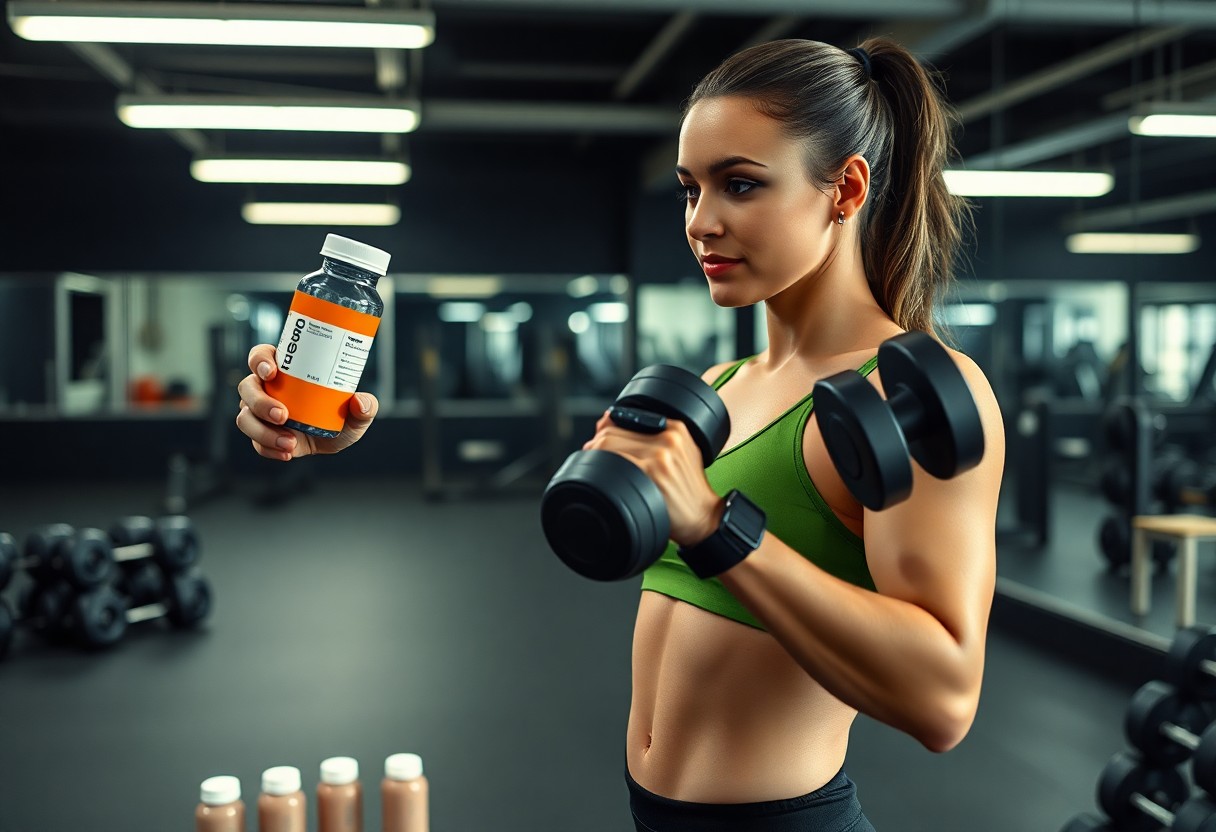
Using diet pills strategically can influence your performance and recovery. Taking a diet pill before a workout can enhance energy levels and improve focus, thanks to stimulants like caffeine, which may increase endurance and strength. For instance, if your diet pill contains ingredients such as green tea extract or synephrine, these may help boost your metabolism and fat oxidation during exercise, making them beneficial for fat loss in the pre-workout phase.
Post-workout supplementation plays a different role. This timing emphasizes recovery and muscle synthesis. Some diet pills formulated for this purpose can include ingredients like branched-chain amino acids (BCAAs) which aid in muscle repair. If your diet pill also contains elements that help reduce soreness or inflammation, such as curcumin, using it after your workout can help you bounce back faster and maintain a consistent training regimen.
The Role of Consistency in Supplementation
Incorporating diet pills into your routine requires a consistent approach to maximize their efficacy. Utilizing them sporadically is unlikely to yield significant results; rather, establishing a regimen that syncs with your training schedule will promote optimal outcomes. A steady intake supports your body’s adaptation to the ingredients, whether it’s for energy, fat loss, or muscle recovery.
Daily incorporation of diet pills ensures that your body receives the necessary compounds when it needs them most. For instance, if you consistently use a fat burner each morning, your body adapts to the active ingredients, leading to improved metabolism over time. Monitoring your progress allows you to adjust dosages and timing as required, keeping your supplementation in line with your evolving fitness goals.
Real-Life Impacts: Success Stories and Cautions
Elite Athletes: Case Examples of Effective Supplementation
Elite athletes often share their experiences with diet pills that have bolstered their training regimens and performance outcomes. For instance, a study showcased how a few professional cyclists integrated specific supplements tailored for endurance and recovery, resulting in an increase in their overall performance metrics by up to 10%. This strategic supplementation often combines ingredients that aid in fat oxidation and energy metabolism, enhancing both endurance and recovery times significantly. Such results demonstrate that, when used responsibly, diet pills can yield substantial benefits in competitive settings.
Another case involves a renowned swimmer who used a carefully monitored regimen of diet pills to improve his muscle definition without compromising his strength. By selecting products highlighted in sports nutritional research, he noted improvements in both his race times and overall body composition. These success stories underline how informed supplementation can support rigorous training while achieving distinct performance goals.
Common Pitfalls: Misuse and Misconceptions
While diet pills can offer benefits, misinformation can lead to misuse, causing more harm than good. Many athletes wrongly assume that all diet pills are safe or that taking higher doses will result in increased performance. Misestimating the body’s response can result in side effects ranging from mild digestive issues to severe cardiovascular complications. A portion of users also overlooks the importance of balanced nutrition, relying solely on supplements without proper dietary support, which can undermine their health and training effectiveness.
The market is rife with misconceptions, particularly around the “magic pill” concept. Some believe that a single diet pill will transform their bodies overnight, neglecting the reality that sustainable results require consistent effort and a well-rounded approach to nutrition and exercise. Furthermore, athletes may fall into the trap of inconsistency by switching between products in search of instant results. These pitfalls emphasize that informed decision-making and professional guidance are necessary when considering any dietary supplement.
The Ethical Debate: Risks vs. Rewards
The Line Between Enhancement and Drug Abuse
The motivation behind using diet pills can vary, from seeking a slight edge in performance to aiming for significant body transformation. While there is a clear distinction between supplements designed to enhance performance and those that teeter on the brink of abuse, the line can often become blurred. You may find yourself contemplating whether a particular pill provides a legitimate benefit or falls into substance misuse. Some athletes have faced severe consequences after venturing too far down this path, not only jeopardizing their careers but also their health and wellbeing.
In your pursuit of performance, it’s vital to assess the ingredients and potential effects of any diet pill you consider. Certain substances, despite being marketed as enhancers, can lead to addiction or harmful side effects. This awareness allows you to differentiate between seeking improvement and crossing into potentially dangerous territory, impacting not just your physical abilities but also your ethical stance within the sport.
Industry Regulations: What Athletes Should Know
The dietary supplement industry operates under a varied and often lenient set of regulations, which can pose significant risks for athletes. Supplements are not as rigorously tested as pharmaceuticals, leading to concerns about purity and labeling accuracy. You might unknowingly consume products that contain banned substances or undeclared ingredients. This lack of regulation can jeopardize your athletic career and tarnish your reputation if you fail a drug test.
Being proactive about your supplement choices means scrutinizing product labels and opting for brands that follow Good Manufacturing Practices (GMP). Third-party testing, often represented by seals from organizations like NSF International or Informed-Sport, ensures that what the label claims is accurate and that the product is free from prohibited substances. This diligence is necessary to safeguard your health and your career.
Even with these certifications, understanding the regulations surrounding supplements is paramount. If you’re competing at any level, familiarize yourself with your sport’s regulatory body and their prohibited substances list. Staying informed about the latest changes in regulations can protect you from unintended penalties and ensure you maintain a clean image in your athletic pursuits.
To wrap up
To wrap up, integrating diet pills into your regimen as an athlete or fitness enthusiast can enhance your active lifestyle, but it should complement, not replace, your foundational nutrition and exercise plans. You should prioritize whole foods and balanced meals while considering these supplements as potential aids in reaching specific fitness goals. Educating yourself on the ingredients, potential side effects, and your personal health requirements will empower you to make informed choices that align with your performance objectives.
Moreover, always consult with a healthcare professional before incorporating diet pills into your routine. This empowers you to avoid potential pitfalls and ensure that the supplements you choose support your overall health and fitness journey. By approaching supplementation with caution and clarity, you can optimize your potential and maintain your dedication to active living.
FAQ
Q: What are diet pills for athletes?
A: Diet pills for athletes are supplements designed to aid weight management, enhance energy levels, and improve performance. They typically contain ingredients like caffeine, green tea extract, or amino acids.
Q: How do diet pills affect athletic performance?
A: Diet pills can increase metabolism, enhance fat oxidation, and provide an energy boost. This may lead to improved endurance and better workout performance, depending on the ingredients used.
Q: Are diet pills safe for fitness enthusiasts?
A: While many diet pills are deemed safe when taken as directed, it is vital to consult with a healthcare professional before starting any supplement, especially for athletes with specific health conditions or those on medication.
Q: How should diet pills be integrated with a workout regimen?
A: Diet pills should complement a balanced diet and exercise plan. They are not a substitute for healthy eating or regular physical activity; rather, they should be used as an additional tool for meeting fitness goals.
Q: What side effects can occur from taking diet pills?
A: Possible side effects of diet pills include jitteriness, increased heart rate, gastrointestinal issues, and sleep disturbances. Monitoring your body’s response and adjusting usage accordingly is important.