
How to Reduce Appetite Naturally for Weight Loss With Proven Methods
Hippocrates once said, “Let food be thy medicine and medicine be thy food.” This ancient wisdom hits home when your stomach starts negotiating like a persuasive bear mid-afternoon.
We get it. That internal dialogue is real. But managing hunger isn’t about white-knuckling it or surviving on willpower alone.
True, sustainable control comes from understanding your body’s signals. This guide explores science-backed methods that actually work with your biology.
Forget questionable pills or extreme diets. We’re diving into expert-approved strategies from dietary tweaks to mindful practices.
This information is rooted in current research and clinical studies. The goal is to offer practical, actionable tips you can use today.
These approaches partner with your physiology. They make the journey feel less like punishment and more like a smart collaboration for better health.
Your relationship with food is unique. Yet, these proven techniques have helped many regain a sense of ease and control.
Key Takeaways
- Natural hunger management works with your body’s biology, not against it.
- Science-backed strategies are more effective than willpower alone.
- Practical tips from experts can be implemented into daily life immediately.
- Sustainable results come from understanding and responding to hunger cues.
- Herbal solutions and dietary adjustments are key components.
- Hormonal balance and mindful eating practices play a crucial role.
- The goal is long-term control without extreme deprivation.
Understanding Appetite and Weight Loss
Why do we eat when we’re not actually hungry? The answer lies in understanding appetite. It’s the psychological desire to eat, distinct from the physical need for food.
Think of appetite as hunger’s dramatic cousin who shows up uninvited.
Defining Appetite and Its Triggers
Your appetite can be sparked by a bakery’s smell, stress, or social pressure. Emotional states like anger or sadness often drive comfort eating.
Chronic stress is linked to increased desire for food and poor nutritional choices. The brain decides what and when people eat based on these cues.
Biological mechanisms involve hormones. Ghrelin signals “feed me,” while leptin tells your body to stop.
| Factor | Appetite (Psychological) | Physical Hunger |
|---|---|---|
| Primary Trigger | Emotions, environment, social cues | Body’s need for energy |
| Timing | Sudden, specific to cues | Gradual, after hours without food |
| Sensation | Craving for specific foods | General stomach emptiness |
| Typical Food Choice | High-calorie, low-nutrient comfort foods | Varied, nutritious options |
The Connection Between Hunger and Weight Gain
When appetite runs unchecked, people consume extra calories. This leads to stored fat and gradual weight increase.
Unmanaged hunger from stress or cues directly challenges weight loss goals. Recognizing these triggers is the first step toward control.
Appetite is normal. Distinguishing it from true hunger empowers smarter choices, not reactive eating.
Scientific Insights into Natural Appetite Suppressants
Scientific curiosity is finally decoding how everyday substances can act as powerful, natural tools for controlling cravings.
This isn’t folk medicine. It’s a growing body of research validating traditional wisdom with modern data.
Breakthrough Research and Studies
Recent studies are particularly exciting. A 2024 review highlighted fenugreek seeds, a common spice, for their potential to suppress appetite.
Another 2020 analysis found viscous fibers, like glucomannan, support modest but meaningful weight loss. This offers a solid alternative to questionable synthetic diet pills.
Perhaps the most delightful finding? A 2020 trial showed mints with Gymnema sylvestre made people eat less chocolate. Science tamed the candy craving.
Further research from 2022 confirms fiber is a potent appetite suppressant. High-fiber diets are consistently linked to lower obesity rates.
Even exercise plays a role. A 2018 review detailed its effects on hunger hormones, proving it does more than burn calories.
Collectively, these studies show natural appetite suppressants work by slowing digestion, influencing satiety signals, and promoting fullness.
This multi-mechanism approach makes them valuable for sustainable weight loss. The evidence is building a compelling case for nature’s pantry.
Step-by-Step: How to reduce appetite naturally for weight loss
Forget overhauling your entire life overnight. Real change starts with one simple, evidence-based step.
This is a systematic approach. It prioritizes proven methods over influencer fads.
Implementing Proven Methods Effectively
Begin with the easiest wins. Drinking a glass of water before meals is a perfect first move.
As confidence builds, add more involved strategies. This way prevents feeling overwhelmed.
You don’t need all 11 methods at once. Master just 2 or 3. This avoids burnout and sets you up for success.
Track progress without obsession. Note your hunger levels at different times of the day.
Observe how energy fluctuates. See which tips truly affect your appetite.
Natural methods take time. They don’t work overnight like questionable pills. But they also avoid nasty side effects and rebound gain.
Consistency beats perfection. A missed day isn’t a failure. It’s a chance to reset and continue.
Personalize your plan. A morning person’s strategy differs from a night-shift worker’s. Fit the methods to your life.
| Factor | Quick-Fix Approach | Natural Step-by-Step Approach |
|---|---|---|
| Speed of Results | Fast, but often temporary | Gradual, leads to lasting change |
| Sustainability | Low, often leads to “yo-yo” cycles | High, builds lifelong habits |
| Side Effects | Common and unpleasant | Minimal, may help overall health |
| Personalization | One-size-fits-all | Fully adaptable to your lifestyle |
This framework deliberately skips the “quick fix.” It focuses on sustainable control that supports genuine weight loss.
Herbal Solutions to Curb Hunger
Long before modern supplements, traditional healers turned to the plant kingdom for managing hunger. These botanicals offer a fascinating, evidence-backed path to calming cravings.
Fenugreek: Nature’s Fiber Powerhouse
This unassuming legume is a potent ally. Its soluble and insoluble fiber team up to promote a lasting feeling of fullness.
A 2015 study observed this effect. Nine women drinking fenugreek tea reported less desire to eat and greater satiety versus a placebo group.
Gymnema Sylvestre and Other Traditional Herbs
Gymnema sylvestre has a storied history in Ayurveda. Modern studies suggest it can tame sweet cravings.
One 2020 trial found mints containing this herb led to a significant reduction in chocolate consumption. It seems to block sugar perception at the taste bud.
Another herb, Caralluma fimbriata, shows promise. Research from 2021 involving 83 people found its extract supported reduced calorie intake over 16 weeks.
These herbal supplements may help curb your appetite. They can also help as part of a broader strategy with other healthy foods.
It’s wise to start with a low dose. Potential side effects like digestive upset or rashes are possible. Consulting a healthcare provider ensures a safe, personalized approach for your appetite goals.
Leveraging Dietary Fiber and Supplements
Glucomannan turns water into a powerful tool for silencing your stomach’s protests. This viscous fiber superstar comes from the konjac root, famous for trendy shirataki noodles.
The science behind the hype is solid. It absorbs water in your gut, expanding to create a physical sense of fullness.
Understanding Glucomannan and Viscous Fiber
This action slows gastric emptying. Your stomach becomes a sustained-release satiety machine.
A compelling 2020 review found these supplements can modestly but significantly lower body weight and fat measures. It offers particular benefit for people with high body weight, diabetes, or metabolic syndrome.
Dosage matters for safety and loss results. The Office of Dietary Supplements notes up to 15.1 grams per day is likely safe for several weeks.
Start with a lower amount. This lets your body adjust without dramatic digestive consequences.
Critical rule: Always take it with 1-2 full glasses of water. Skipping this risks choking or esophageal blockage.
Potential side effects are less glamorous. Some people experience loose stools, flatulence, or abdominal discomfort.
| Fiber Source | Primary Benefit | Integration Tip |
|---|---|---|
| Whole Foods (Vegetables, Fruits) | Provides nutrients, supports long-term diet health | Should form the foundation of intake |
| Glucomannan Supplements | Offers concentrated, convenient appetite control | Use to bridge gaps, not replace meals |
| Combined Approach | Maximizes fullness and supports sustainable weight loss | Pair with adequate hydration throughout the day |
These supplements work best within a broader strategy. Prioritize whole foods first. Use them to boost your fiber levels, not as a replacement.
This balanced approach supports genuine, lasting weight management.
Choosing High Protein and Healthy Fats
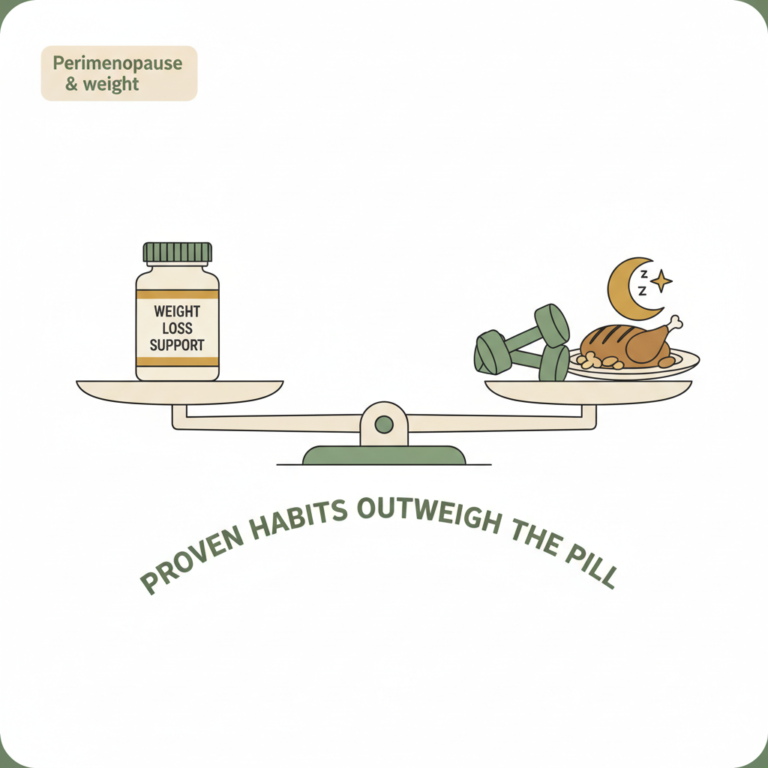
The secret to outsmarting your stomach might be on your plate, not in a pill bottle. Not all foods are created equal when it comes to satisfying hunger.
Protein and healthy fats are the undisputed champions of satiety. Carbohydrates often leave you wanting more soon after eating.

Strategically replacing some carb sources with these power nutrients is a smart move. It helps manage appetite without feeling deprived.
How Protein Promotes Long-Lasting Fullness
Protein is a triple threat for appetite control. It triggers the release of powerful satiety hormones in your gut.
Your body also burns more calories digesting it, known as the thermic effect. This process supports preserving lean body mass during weight loss.
These biological actions combine to help you feel fuller for much longer. It’s a fundamental shift from quick energy to sustained satisfaction.
The Dietary Guidelines for Americans recommend diverse high-protein foods. These include lean meats, seafood, beans, lentils, nuts, seeds, and soy products.
Healthy fats from nuts, seeds, avocados, and olive oil are crucial partners. They aid hormone production and nutrient absorption while curbing appetite.
Start meals with a palm-sized protein portion. Add a tablespoon of healthy fats to vegetables or salads.
Keep protein-rich snacks handy for between-meal hunger. This strategy supports sustainable weight loss by preventing the constant cravings that sabotage restrictive diet plans.
Quality matters. Whole food sources and minimally processed options deliver superior nutrition and appetite control. This approach allows people to create a calorie deficit without perpetual starvation, helping people stick to their goals long-term.
Incorporating Low-Calorie, Bulky Foods
What if you could eat more and still lose weight? It sounds like a fantasy, but it’s the core principle of volumetrics.
Traditional diet plans often backfire. Reducing intake can trigger a bigger appetite, leading straight back to overeating.
This yo-yo cycle crushes many weight loss dreams. The solution isn’t starvation; it’s strategic eating.
Volumetrics focuses on calorie density. You fill your stomach with high-volume, low-calorie foods.
Vegetables, fruits, beans, and whole grains are nutritional overachievers. They deliver vitamins, minerals, fiber, and water while keeping calories remarkably low.
Practical swaps make this easy. Try spiralized zucchini with a smaller pasta portion. Bulk up omelets with spinach and mushrooms.
Start meals with a broth-based vegetable soup. These foods create a visual feast that signals abundance.
This psychological trick satisfies the eye and stomach. You can enjoy larger portions without sabotaging progress.
Incorporating these foods helps create the necessary calorie deficit. It avoids the intense hunger that derails efforts.
You don’t eliminate favorite food. Instead, adjust proportions. Adding two cups of roasted veggies to your plate leaves room for a reasonable serving of higher-calorie food.
The fiber in these foods slows digestion. This provides sustained energy and better appetite control throughout the day.
For a comprehensive list of options, explore these low-calorie foods. This approach supports sustainable weight management by working with your biology, not against it.
Pre-Meal Strategies: Water, Tea, and More
Before you even lift a fork, a strategic beverage can set the stage for a more controlled meal. This isn’t about willpower. It’s about using liquid volume and specific compounds to your advantage.
The Role of Water in Reducing Calorie Intake
Drinking a large glass of water directly before eating is a classic move for good reason. A 2018 study found this simple act made participants feel fuller and led them to eat less.
Think of it as giving your stomach a polite heads-up. Warm, broth-based soup acts as a more sophisticated cousin. Research from 2007 shows it promotes immediate fullness after meals.

Benefits of Green Tea and Yerba Mate for Appetite Control
Green tea extract is a multifaceted tool. It contains caffeine and catechins like EGCG. Consuming it daily for 12 weeks may help lower body weight and fat mass.
A 2012 study found beverages mixing soluble fiber, EGCG, and caffeine reduced the urge to overeat later. Your pre-meal drink can program moderation for hours.
Yerba mate, a South American tea, offers similar perks. Taking it daily also help improve body composition. A 2017 trial showed it curbed appetite and boosted energy when taken before exercise.
Caffeine from coffee or tea, consumed 30 minutes to 4 hours before a meal, influences hunger signals. Experiment to find which beverage best manages your specific cravings.
Mindful Eating and Stress Management
Eating while distracted is like driving on autopilot—you might not remember the journey or when you’ve had enough.
Your stomach doesn’t need ice cream at midnight. Your feelings, however, have very different opinions.
Chronic stress hijacks normal appetite regulation. It increases the desire to eat and pushes people toward non-nutritious comfort food.
Mindful eating is the antidote. This practice involves purposefully paying attention to your food without judgment.
A 2025 study of 547 adults found higher mindful eating scores linked to lower stress. How you eat influences weight and psychological well-being.
This approach doesn’t restrict what people eat. It encourages focus on the present moment and the sensory experience.
This mindfulness naturally leads to healthier choices and smaller portions. It helps curb food cravings driven by habit, not genuine hunger.
| Factor | Mindful Eating | Distracted/Emotional Eating |
|---|---|---|
| Focus During Meal | Full attention on flavors and textures | Attention on screens, work, or emotions |
| Portion Control | Easier to recognize fullness cues | Often leads to overconsumption |
| Typical Food Choices | More nutritious, varied options | High-calorie comfort foods |
| Impact on Stress | Can lower stress levels | May use food as a coping mechanism |
Complementary strategies support this. Prioritize regular, quality sleep, as sleep deprivation increases hunger hormones.
Maintain social connections. Schedule real relaxation time instead of treating self-care as optional.
Practical techniques make it real. Put down utensils between bites. Eat without screens.
Identify specific flavors. Check in with your appetite levels throughout the meal.
This integrated approach to self-care fosters better weight management. It brings your brain back online during meals.
Impact of Exercise on Appetite Control
Imagine an appetite suppressant that also builds muscle and boosts your mood—welcome to exercise.

It’s perhaps the most underappreciated tool available. A 2018 review found both single workouts and regular training decrease food and energy consumption.
This effect appears consistent across sexes and body fat levels. The physiology is fascinating.
Activity temporarily lowers the hunger hormone ghrelin. It boosts satiety signals like peptide YY. Blood flow shifts away from your digestive system.
Many people fear working out makes them ravenous. While appetite returns as your body recovers, the immediate post-exercise window often features reduced hunger.
This creates a strategic opportunity for meal timing. High-intensity movement tends to produce stronger, longer-lasting suppression.
Pairing exercise with natural aids multiplies the benefits. A 2017 study had women consume yerba mate before cycling.
They experienced reduced appetite plus enhanced metabolism, focus, and energy levels. It’s a powerful synergy.
| Exercise Approach | Primary Appetite Effect | Practical Tip |
|---|---|---|
| High-Intensity Interval Training (HIIT) | Strong, longer-lasting suppression | Ideal before a historically tricky eating time |
| Moderate Steady-State (e.g., brisk walk) | Mild to moderate suppression | Use as a pattern interrupt when cravings strike |
| Consistent Routine (Chronic Exercise) | Helps regulate overall hunger levels | Schedule for sustainability over intensity |
This impact makes movement invaluable for weight loss. The calorie-burning is just part of the story.
The appetite control can reduce daily intake significantly. This supports creating a sustainable deficit for long-term weight loss success.
Hormonal Balance and Appetite Regulation
Forget blaming your lack of discipline—your hunger is largely directed by chemical messengers. A complex hormonal symphony dictates when and what you eat.
Ghrelin, the “feed me” signal, rises before meals. Leptin tells your body it’s full. Sleep loss and stress can keep ghrelin levels high.
Leptin resistance is a common frustration. Your body produces the hormone, but the brain ignores the “stop eating” message.
Natural methods help balance these hormones. Adequate protein, good sleep, and stress management are key.
Some aids work through hormonal pathways. Caffeine influences appetite hormones and stomach emptying.
Griffonia simplicifolia contains 5-HTP. This converts to serotonin in the brain, which may help suppress appetite.
| Key Hormone | Primary Role | Natural Influence |
|---|---|---|
| Ghrelin | Signals hunger | Increased by poor sleep, decreased by protein |
| Leptin | Signals fullness | Sensitivity improved by anti-inflammatory foods |
| Insulin | Regulates blood sugar | Stabilized by balanced meals with fiber |
| Cortisol | Stress response | Managed through relaxation techniques |
Stable blood sugar prevents insulin spikes that trigger cravings. This supports sustainable weight loss.
Research suggests 5-HTP supplementation may help induce fullness. Caution is needed, as it can affect serotonin levels.
Working with your hormonal systems leads to lasting results. Quick fixes that ignore this balance often cause rebound weight gain.
Debunking Common Appetite Myths
Let’s cut through the noise: the diet pill aisle is a minefield of exaggerated promises and overlooked risks. Manufacturers of appetite suppressants make bold claims, but their effectiveness is often unproven.
The “quick fix” fantasy that a pill can override biology is just that—a fantasy. Lasting change requires addressing diet, activity, sleep, and stress.
Another myth? “Natural” automatically means “safe.” Even herbal supplements carry potential side effects. Fiber aids can cause digestive distress like flatulence.
More serious concerns exist. Garcinia cambogia needs more research. Taking 5-HTP may raise serotonin syndrome risk. High caffeine intake can elevate blood pressure.
| Common Myth | Reality Check |
|---|---|
| A pill alone leads to lasting weight loss. | Suppression creates a deficit, but maintaining loss needs sustainable habits. |
| Everyone responds the same to supplements. | Individual biology causes huge variation; one person’s miracle is another’s dud. |
| Hunger signals personal weakness. | Appetite is a normal biological cue influenced by hormones and sleep, not a character flaw. |
The most effective way to lose weight isn’t by silencing hunger completely. It’s about smart personalization. Choose the right type of strategy for your body.
Research supports certain natural methods, but no single appetite suppressant works universally. Experiment to find what truly works for you.
Integrating Natural Methods into Daily Life
Transforming your daily habits doesn’t require a revolution; it starts with a few smart tweaks. The goal is to weave these strategies seamlessly into your routine.
Practical Lifestyle Adjustments and Daily Routines
Begin by selecting just two or three methods. This prevents burnout and builds lasting habits. For example, start your day with a high-protein breakfast like eggs or Greek yogurt.
This simple move can help suppress appetite for hours. Pair it with a glass of water upon waking to tackle dehydration-triggered hunger.
Structure every meal with protein, healthy fats, and fiber. This trio promotes sustained fullness without complicated meal planning. Time your interventions for maximum impact.
Drink water 30 minutes before eating. Sip on green tea or other natural appetite suppressants during afternoon slumps.
Prioritize quality sleep—aim for 7-9 hours nightly. It regulates hunger hormones more effectively than any pill. Manage stress with practical self-care, like a short walk or meditation.
Avoid extreme calorie restriction. A moderate deficit supports weight loss without triggering overeating relapses. For safety, consult a healthcare expert when using supplements, rather than relying on diet pills comparisons alone.
| Daily Focus | Key Adjustment | Expected Benefit |
|---|---|---|
| Morning Routine | High-protein breakfast + hydration | Reduced hunger throughout the day |
| Meal Composition | Balance protein, fats, and fiber | Longer-lasting fullness per meal |
| Strategic Timing | Pre-meal water, afternoon tea | Curbs cravings at peak times |
| Lifestyle Foundation | Consistent sleep and stress management | Better hormonal balance for appetite control |
Rotate your strategies to keep things interesting. Try different protein sources, herbal teas, and exercise types. This variety makes your approach sustainable for long-term weight management.
Conclusion
Your relationship with food transforms when you view appetite as a guide rather than an adversary. Sustainable control comes from partnering with your body’s biology, not fighting it with deprivation. This multi-strategy approach blends smart nutrition, hydration, and mindful habits, as outlined in these evidence-based ways to reduce hunger.
Discover which natural appetite methods truly work for you. Lasting weight loss beats quick fixes every time. Aggressive appetite suppressants often backfire, while patient experimentation builds habits you can keep.
For a personalized plan, consult a primary care provider or qualified expert. Their quality care ensures safe integration with your overall health strategy.
Mastering your hunger naturally empowers sustainable weight management. The real win is improved health, energy, and life quality far beyond the scale.