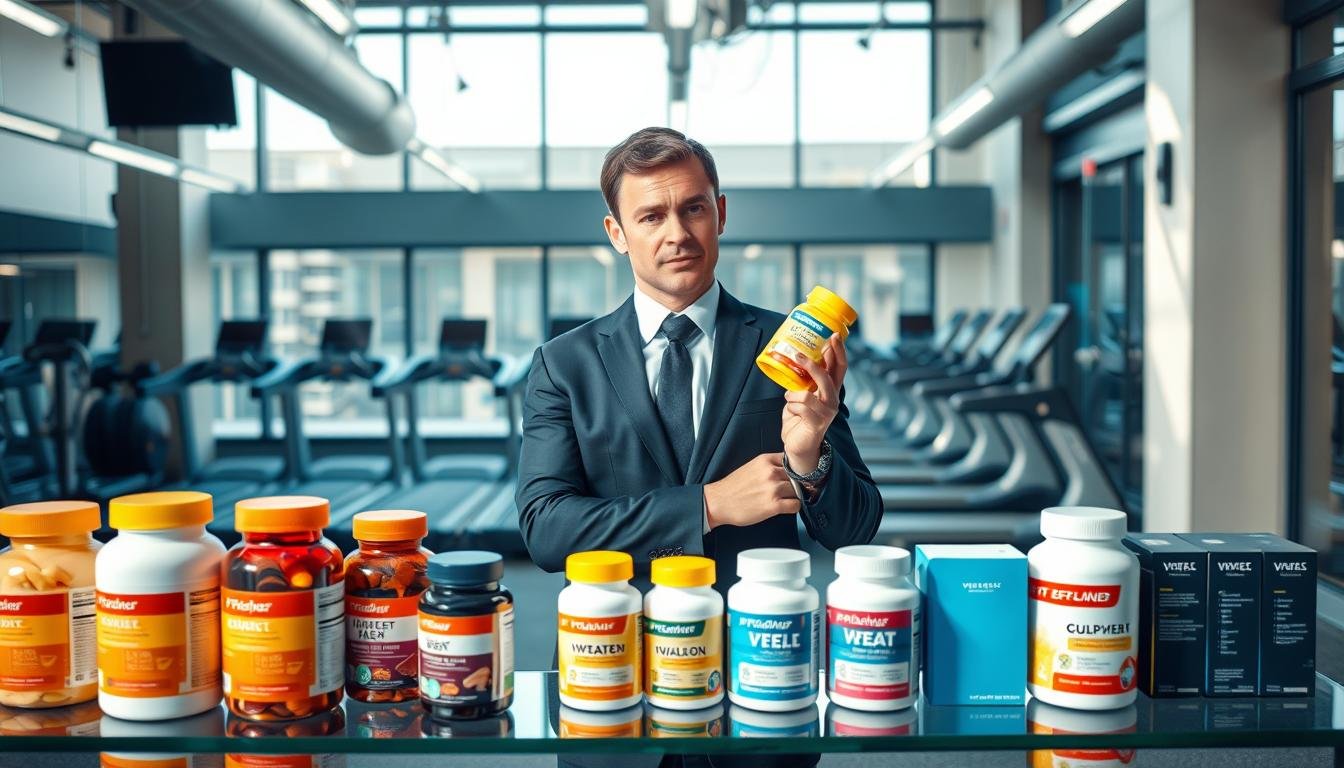
Do Fat Burners Actually Work? What You Need to Know
Is there a shortcut to shedding pounds, or are you just burning money? This question sits at the heart of the multi-billion dollar weight loss industry.
Millions turn to dietary supplements each year, hoping for an edge. The market is flooded with products making bold promises.
This review cuts through the noise. We examine the science behind the claims to give you clear, actionable facts.
We will analyze key ingredients, review clinical evidence, and discuss safety. Practical recommendations will help you make an informed choice.
It’s crucial to separate marketing hype from biological reality. Not all products are created equal, and some can even pose risks.
Our analysis relies on peer-reviewed research and expert insights. This foundation allows for a credible, unbiased evaluation.
Consumers face confusing messages every day. We aim to provide clarity and empower your decisions.
Key Takeaways
- Fat burner supplements are immensely popular, but their true effectiveness varies widely.
- Evidence-based information is essential when evaluating any weight loss aid.
- These products are supportive tools, not magic solutions for weight loss.
- Understanding ingredient profiles and clinical dosages is key to assessing value.
- Safety and transparency, like third-party testing, are non-negotiable for quality.
- Modern thermogenic formulas, like many top-rated fat burner supplements, are designed to support metabolism and energy.
- A sustainable plan combining diet, exercise, and lifestyle remains the cornerstone of success.
Introduction to Fat Burners and Their Role in Weight Loss
The pursuit of a leaner physique drives many to consider specialized products designed to enhance metabolic processes. These items fall under the broad category of dietary supplements.
Understanding Dietary Supplements and Weight Loss
So-called fat burners are supplements marketed to accelerate weight loss. They supposedly increase the body’s ability to utilize stored fat or boost metabolism.
Their basic premise involves ingredients claimed to enhance fat oxidation, suppress appetite, or increase energy expenditure. This aims to help people lose weight more efficiently.
A critical point is the regulatory landscape. The Food and Drug Administration (FDA) has limited oversight of dietary supplements.
Manufacturers face fewer restrictions compared to pharmaceutical products. This means the contents and purity of these products can vary significantly.
The Rise of Fat Burner Products
These supplements have become multimillion-dollar products in the health and fitness industry. Marketing has evolved to promise faster results without dramatic lifestyle changes.
This appeal is powerful for many individuals struggling with their weight. However, not all formulas are created equal.
Some contain naturally occurring substances, while others include synthetic or proprietary blends. While some ingredients have scientific backing, many products make exaggerated claims.
Understanding the difference between marketing hype and actual effectiveness is crucial for consumers.
| Type | Typical Ingredients | Primary Claim | Regulatory Note |
|---|---|---|---|
| Natural-Based | Caffeine, Green Tea Extract, Capsaicin | Increase thermogenesis & energy | Generally Recognized as Safe (GRAS) status for some |
| Synthetic/Proprietary | Proprietary Blends, Synthetic stimulants | Potent fat oxidation & appetite suppression | Less documented; may lack rigorous safety testing |
| Appetite-Control | Fiber, Glucomannan, Protein | Promote satiety and reduce calorie intake | Often marketed as dietary aids, not direct “burners” |
Do Fat Burners Actually Work
A critical look at the science reveals a significant gap between marketing hype and measurable outcomes. Bold promises of rapid transformation often overshadow the nuanced reality of clinical data.
Examining Claims vs. Scientific Evidence
The sobering truth is that no conclusive evidence exists proving these pills effectively burn fat on their own. They are not standalone solutions for sustainable weight loss.
Some ingredients, like green tea extract and caffeine, show modest benefits in controlled research. These studies might note a slight increase in metabolic rate or a small reduction in body mass.
However, these effects are often minimal. They frequently fail to translate into visible changes in body composition for the average person.
Results depend heavily on an individual’s overall diet, exercise routine, and lifestyle. Genetic factors and existing metabolism also cause responses to vary widely.
Any perceived benefit can sometimes be attributed to the placebo effect or concurrent positive lifestyle changes. It’s crucial to understand that fat burner supplements are supportive tools, not magic pills. They cannot compensate for a poor nutritional intake or a sedentary lifestyle.
Realistic expectations are key for long-term management of one’s weight.
Key Ingredients and Their Impact
The effectiveness of any dietary supplement hinges on the specific compounds it contains and their proven biological actions. This analysis breaks down the most common ingredients and the science behind their claims.
Caffeine, Green Tea Extract, and Other Natural Compounds
Caffeine is a well-researched stimulant. A 2019 review noted it may promote reductions in weight and body mass. It can boost metabolism significantly, helping the body use stored fat for energy.
Green tea extract contains catechins. These antioxidants work with caffeine to enhance thermogenesis. A 2010 review supports this synergistic effect on metabolism.
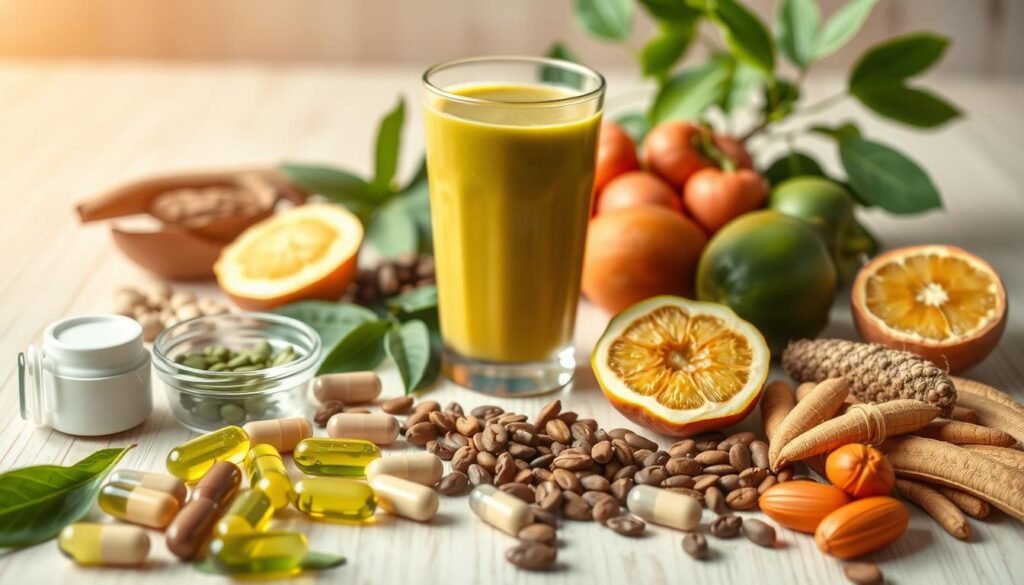
Another compound, yohimbine, showed promise in a small 2006 study. It reduced body fat composition in athletes. Other natural ingredients often found include:
- Green coffee bean extract
- Capsaicin from chili peppers
- Conjugated linoleic acid
Additional Components: Protein Powder and Fiber
Protein is crucial for managing weight. A 2017 study found high-protein diets led to greater weight loss. It boosts metabolism and suppresses the hunger hormone ghrelin.
Soluble fiber, like that from certain foods, forms a gel in the gut. This promotes fullness. A 2010 study suggested it may help the body absorb less fat and calories.
These components are often included in supplements to support satiety and nutrient partitioning. However, their benefit is maximized within a balanced diet.
Scientific Research and Studies on Fat Burner Effectiveness
Clinical investigations provide a clearer picture of what these supplements can genuinely achieve. A review of the research reveals a pattern of modest, conditional benefits.
A 2019 review confirmed caffeine can support weight loss. A separate 2010 analysis showed green tea catechins may boost metabolic rate slightly.

Other studies highlight supportive ingredients. A 2017 trial found high-protein diets aided weight management. A 2010 study noted soluble fiber could reduce calorie absorption.
Research on yohimbine showed a small body fat reduction in athletes. However, sample sizes were often small, and people in the studies were already lean.
| Study Focus | Key Finding | Notable Limitation |
|---|---|---|
| Caffeine & Weight Loss (2019 Review) | Modest support for reducing body weight | Effects vary based on individual tolerance |
| Green Tea Catechins (2010 Review) | May enhance the thermogenesis process | Often requires combined caffeine intake |
| High-Protein Diets (2017 Study) | Promoted greater fat loss and satiety | Effect is tied to overall dietary structure |
| Soluble Fiber (2010 Study) | Can reduce fat and calorie absorption | Benefit is dose-dependent and time-sensitive |
| Yohimbine (2006 Study) | Reduced body fat composition in athletes | Very small sample size; not generalizable |
The scientific consensus is clear. Increases in metabolic rate are generally small. Significant weight loss without diet and exercise is unlikely.
Most research indicates any benefit is seen only alongside lifestyle changes. As noted in a comprehensive review, the overall effectiveness of these products remains modest.
Safety Considerations and Potential Side Effects
Understanding the potential risks is as crucial as evaluating the promised benefits of any dietary aid. These products are not without their drawbacks.
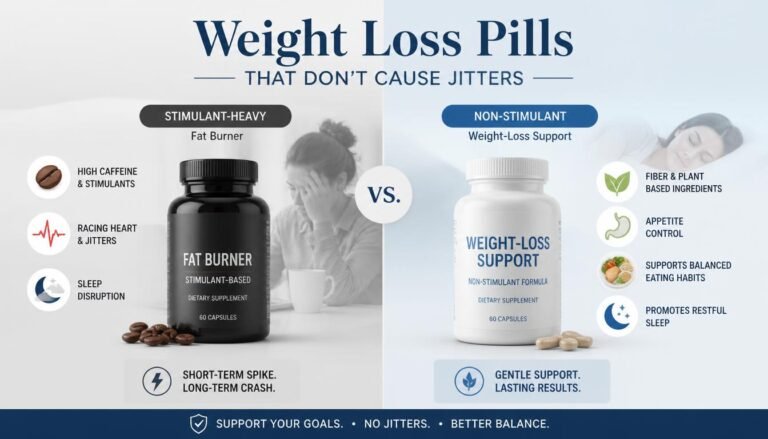
Common side effects stem from stimulant ingredients. Users often report jitters, anxiety, and trouble sleeping.
More concerning effects include a rapid heart rate and elevated blood pressure. These pose serious health risks, especially for those with pre-existing conditions.

Risks of Overconsumption and Ingredient Variability
Regular caffeine use builds tolerance over time, reducing effectiveness. Excessive amounts can cause exhaustion and severe anxiety.
Some natural extracts carry extreme risks. Overuse has been linked to acute liver failure in rare cases.
Yohimbine is known to cause nausea, panic attacks, and dangerous spikes in blood pressure. Digestive upset like cramping and diarrhea is also common.
The FDA has limited oversight of dietary supplements. This means labels may be inaccurate or omit ingredients entirely.
Such variability creates hazards for people with allergies or those on prescription medication. Combining multiple thermogenic products compounds these risks.
| System Affected | Common Side Effects | Typical Cause |
|---|---|---|
| Cardiovascular | Increased heart rate, high blood pressure | Stimulants like caffeine, yohimbine |
| Nervous System | Anxiety, jitters, headaches, insomnia | High stimulant doses |
| Digestive System | Nausea, diarrhea, stomach cramps | Various herbal extracts & compounds |
| Overall Health | Liver stress, medication interactions | Overconsumption, unknown ingredients |
Pregnant women and individuals with heart conditions must be especially cautious. The most critical step is to consult a healthcare professional before starting any new supplement. This protects your body and long-term health.
Integrating Fat Burners with Diet and Exercise Plans
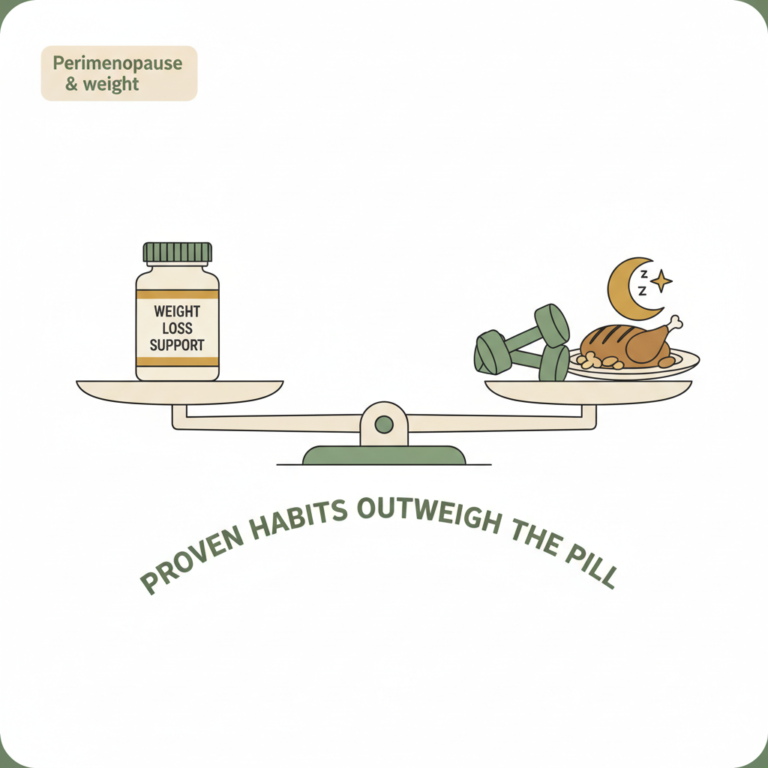
Achieving lasting weight management requires a solid foundation built on proven habits. The most effective way to lose weight is the classic combination of a smart diet and regular exercise. This creates a caloric deficit, where you consume fewer calories than your body burns.
Practical Tips for a Balanced Approach
Focus on whole foods rich in lean protein and fiber. These nutrients support metabolism and provide sustained energy. They also help control hunger naturally.
Regular physical activity is non-negotiable. Combine cardio for calorie burning with strength training. Building muscle boosts your metabolic rate over time.
Incorporate thermogenic foods like green tea and chili peppers. They offer a gentle boost to the fat oxidation process. Whole food sources provide vitamins and minerals that supplements lack.
Prioritize sleep, stress management, and hydration. These lifestyle factors significantly impact your health and metabolism. They make your weight loss efforts more sustainable.
| Core Habit | Primary Purpose | Supplementary Support |
|---|---|---|
| Balanced Diet | Create caloric deficit, provide nutrients | Protein powders, fiber supplements |
| Regular Exercise | Burn calories, build muscle, boost metabolism | Pre-workout formulas for energy |
| Thermogenic Foods | Gently increase calorie burning | Concentrated green tea extract capsules |
| Lifestyle Management | Optimize hormonal balance, recovery | Sleep aids, stress-reducing adaptogens |
If you choose to use a fat burner, start with a moderate dose. Monitor for side effects and cycle use to prevent tolerance. Never combine multiple thermogenic products.
Remember, supplements are tools, not solutions. Sustainable weight loss occurs gradually, about 1-2 pounds per week. For a personalized plan, consult a healthcare professional or registered dietitian.
Conclusion
The evidence points to a simple truth: no pill can replace the power of consistent lifestyle choices. Fat burners and similar supplements offer, at best, minor support. They are not shortcuts for significant weight loss.
Key ingredients like caffeine show modest benefits in studies. Yet, their effectiveness pales next to a solid diet and regular exercise routine. Sustainable health comes from this foundation.
The safest way to leverage these compounds is through whole foods like green tea. This approach nourishes the body without the risks of concentrated products. Always consult a doctor before trying any new supplement.
For a deeper dive into the science, read this comprehensive analysis. Lasting weight loss is achieved through habits, not bottles. Focus on what truly works for long-term wellness.