Best Diet Pills But Without Side Effects: 7 Science-Backed Options
If you’re searching for the best diet pills but without side effects, I get it — you’ve probably been burned before. Most diet pills on store shelves are either glorified caffeine bombs or mystery blends hiding behind fancy labels. The problem isn’t that supplements don’t work. The problem is that most people pick the wrong ones.
Here’s the truth: a poorly formulated diet pill will give you heart palpitations and sweats. A well-formulated one — built on real clinical data — can accelerate fat loss without turning your body into a science experiment gone wrong. I’m going to show you exactly how to tell the difference.
📋 Table of Contents
- What Actually Makes a Diet Pill “Safe”?
- Ingredients I Trust (Backed by Real Science)
- Ingredients That Should Scare You
- Best Diet Pills Without Side Effects: My Top Picks
- Fat Burners vs. Appetite Suppressants: What’s the Difference?
- Special Considerations for Women Over 40
- How to Use Diet Pills Safely (And Get Results)
- Frequently Asked Questions
- My Top Recommended Gear
What Actually Makes a Diet Pill “Safe”?
Quick Answer: A safe diet pill uses clinically studied ingredients at published doses, passes third-party testing, avoids undisclosed stimulants, and carries no proprietary blend secrecy. Products meeting these four criteria have the lowest risk of serious side effects. Avoid anything that hides doses behind a “blend” label.
Most diet pill disasters happen for one reason: hidden ingredients at reckless doses. When a product lists a “Thermogenic Blend — 450mg” without telling you how much of each ingredient is inside, that’s a massive red flag. You have zero idea how much stimulant you’re swallowing.
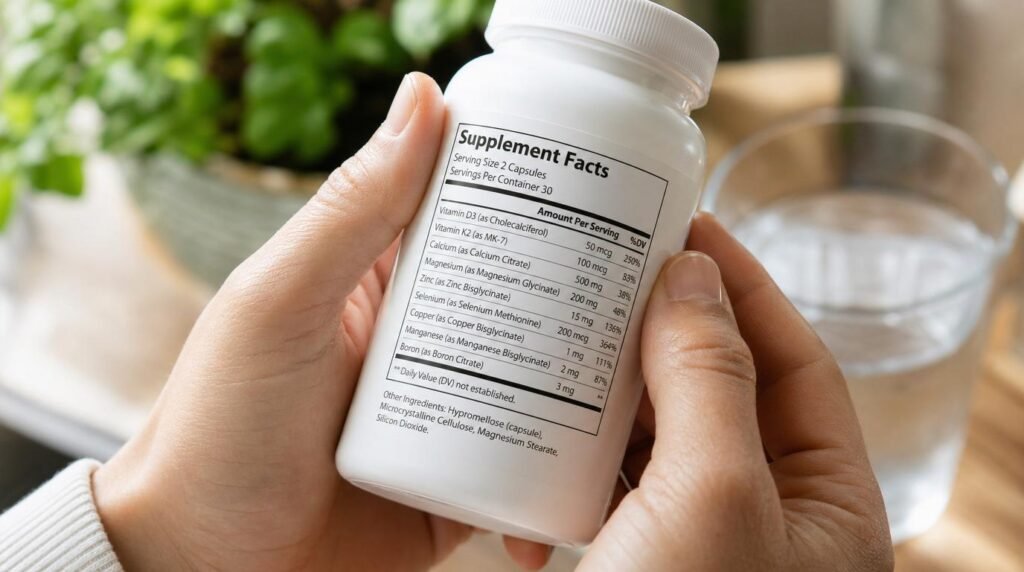
Safe weight loss supplements do two things consistently. First, they publish every ingredient and its exact milligram amount. Second, they use a Certificate of Analysis (COA) from a third-party lab like NSF International or USP to prove the label matches what’s in the bottle.
The FDA doesn’t pre-approve supplements the way it does drugs. That means you are the quality control. Learning how to read a supplement label isn’t optional — it’s self-defense.
Ingredients I Trust (Backed by Real Science)
I’ve spent years reviewing supplement research, and these are the ingredients I’d actually put in my own body. Each one has peer-reviewed human trials behind it — not just rat studies or theoretical mechanisms.
1. Glucomannan
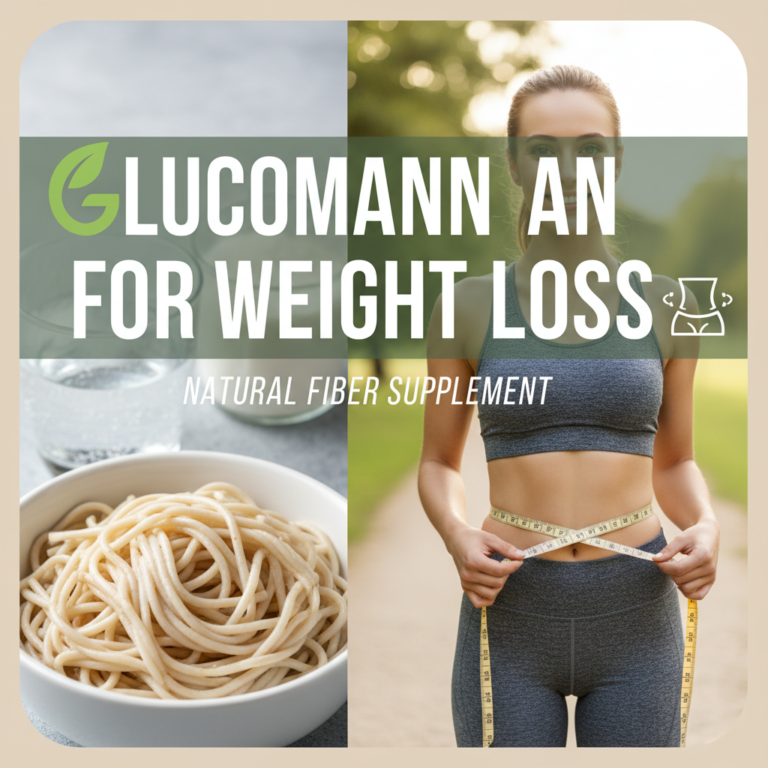
Glucomannan is a soluble fiber from the konjac plant. It absorbs water and expands in your stomach, which makes you feel full without eating more. A clinical study published in the International Journal of Obesity found participants lost significantly more weight than placebo groups using glucomannan with a calorie-controlled diet.
The side-effect profile is minimal — some mild bloating when you start. That’s it. Drink plenty of water with it, and even that resolves fast.
2. Green Tea Extract (EGCG)
Green tea extract — specifically the compound EGCG — has solid evidence for modest fat oxidation and metabolic support. The key is dose: 400–500mg of EGCG standardized extract is the clinical range. Many cheap products underdose this to cut costs.
I want to be clear about one risk here. Taking green tea extract on an empty stomach in very high doses has been linked to rare liver stress events. Stick to 400–500mg with food, and you’re in the safe zone according to the NIH Office of Dietary Supplements.
3. Conjugated Linoleic Acid (CLA)
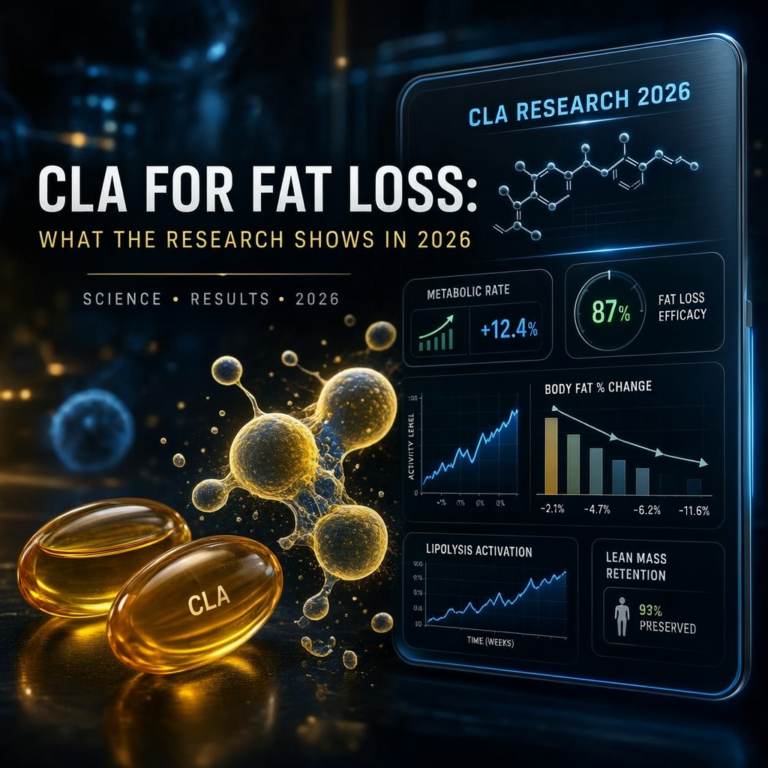
CLA is a naturally occurring fatty acid found in meat and dairy. Research shows it modestly reduces body fat mass while preserving lean muscle. It’s not a magic bullet, but it’s one of the gentlest options available — no stimulants, no jitters, no sleep disruption.
4. Berberine
Berberine has taken the supplement world by storm recently, and for good reason. It activates an enzyme called AMPK — essentially your body’s metabolic master switch. Studies show berberine can improve insulin sensitivity and support modest weight loss in people with metabolic dysfunction.
Check out my detailed breakdown of the best diet pills overall where I cover berberine-based products in more depth.
5. 5-HTP (5-Hydroxytryptophan)
5-HTP is a precursor to serotonin. It acts as a natural appetite suppressant by making you feel satisfied sooner during meals. Studies show it can reduce caloric intake by 15–20% in some participants. IMO, this is one of the most underrated ingredients in the weight loss space.
Ingredients That Should Scare You
This is where I’m going to be blunt. The diet pill industry has a history of putting dangerous compounds in products and calling them “natural.” Natural doesn’t mean safe. Arsenic is natural. Here’s what to walk away from immediately.
- High-dose Synephrine: A stimulant found in bitter orange. At doses above 50mg, it spikes blood pressure and has been linked to cardiac events in people with existing heart conditions.
- Ephedra / Ma Huang: The FDA banned ephedra in 2004 after linking it to heart attacks and strokes. Some sketchy overseas brands still sell it. Don’t touch it.
- Undisclosed Proprietary Blends: If the label doesn’t show individual ingredient doses, put it back on the shelf. You deserve to know what you’re ingesting.
- DMAA (1,3-Dimethylamylamine): This synthetic stimulant has caused hemorrhagic strokes. It’s illegal in many countries and still pops up in gray-market products.
- Excessive Caffeine (400mg+ per serving): Some fat burners pack 300–400mg of caffeine per pill. That’s four strong coffees in one capsule. Heart palpitations, anxiety, and insomnia are almost guaranteed.
The pattern with bad diet pills is always the same: they over-stimulate your central nervous system to create a short-term feeling of energy and heat, and then leave your body crashing. That’s not fat loss — that’s stress response.
Best Diet Pills But Without Side Effects: My Top Picks
I’m not going to list 20 products and confuse you. I’m listing the ones with the best safety-to-efficacy ratio, based on ingredient transparency, third-party testing, and published clinical data on their key ingredients.
1. Leanbean (Best for Women)
Leanbean leads with glucomannan at a clinically meaningful 3g dose per day. It also includes choline for fat metabolism and chromium picolinate for blood sugar balance. No high-dose stimulants. No proprietary blends. The ingredient list reads like a clinical trial reference sheet — which is exactly what you want.
2. PhenQ (Best All-Rounder)
PhenQ uses a compound called α-Lacys Reset — a patented combination of alpha-lipoic acid and cysteine — alongside capsimax pepper extract and chromium picolinate. It has thermogenic properties without relying solely on caffeine overload. The caffeine content is 142.5mg per serving, which is reasonable and disclosed.
3. Instant Knockout Cut (Best for Active People)
Originally formulated for professional MMA fighters, Instant Knockout Cut uses green tea extract, cayenne pepper, and glucomannan in a fully transparent formula. It’s designed for people who train. The caffeine content (300mg daily) is on the higher side, so I’d skip it if you’re sensitive to stimulants.
4. Zotrim (Best Appetite Suppressant)
Zotrim is one of the most clinically studied appetite suppressants on the market. Its three active plant extracts — yerba mate, guarana, and damiana — have been tested in five separate human clinical trials. That level of evidence is rare in this industry.
Fat Burners vs. Appetite Suppressants: What’s the Difference?
This distinction matters enormously when you’re choosing a product. Fat burners and appetite suppressants work through completely different mechanisms, and confusing them leads people to buy the wrong product for their actual problem.
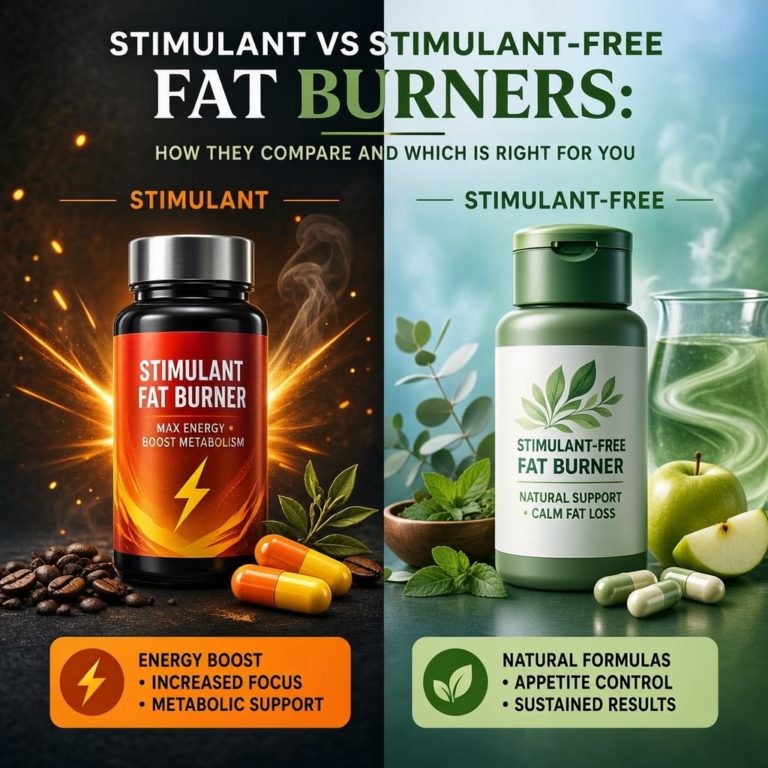
Fat burners increase your body’s caloric expenditure through thermogenesis — they raise your core temperature slightly, which forces your metabolism to burn more fuel. The best ones do this with ingredients like capsaicin, green tea EGCG, and CLA. The worst ones do it by hammering your nervous system with stimulants.
Appetite suppressants work upstream. They reduce the hunger signals you experience in the first place. If your core problem is that you eat too much — not that your metabolism is slow — then an appetite suppressant will serve you far better than a thermogenic. Check out my full breakdown of how thermogenic diet pills work to understand the science behind heat-based fat burning.
My honest take: most people who struggle with weight management over-eat in response to hunger, stress, or habit — not because their resting metabolic rate is broken. For most people, a quality appetite suppressant will outperform a fat burner on a per-dollar basis.
Expert Commentary: This breakdown from a registered dietitian confirms what I’ve covered above — ingredient transparency and clinical dosing are the two non-negotiable factors separating safe, effective supplements from dangerous junk.
Special Considerations for Women Over 40
Women over 40 face a metabolic reality that most supplement brands completely ignore. Estrogen decline during perimenopause slows fat metabolism and shifts fat storage toward the abdomen. Standard “fat burner” formulas designed for 25-year-old gym bros are not built for this physiology.
Here’s what actually moves the needle for women in this age group. First, cortisol management matters enormously — adaptogens like ashwagandha and rhodiola can reduce stress-driven eating. Second, blood sugar regulation is critical. Chromium picolinate and berberine both help here. Third, high stimulant loads are particularly problematic — they disrupt sleep quality, and poor sleep is one of the biggest metabolic disruptors in perimenopause.
I’ve done a complete deep dive on this topic if you want specifics — read my guide on the best diet pills for women over 40 where I cover hormone-aware supplement strategies in full detail.
The short version: choose stimulant-free or low-stimulant products, prioritize fiber-based appetite suppressants, and add a chromium or berberine supplement to support insulin sensitivity. That combination outperforms nearly every “thermogenic blast” product on the market for this demographic.

How to Use Diet Pills Safely (And Get Results)
Buying a quality product is step one. Using it correctly is step two — and most people skip step two entirely. Here’s my non-negotiable protocol for getting results while protecting your health.
Start with a Half Dose for the First Week
Even with clean, low-risk ingredients, your body needs time to adjust. I always start at half the recommended dose for the first 5–7 days. This dramatically reduces the chance of GI upset, headaches, or energy swings while your system calibrates.
Time Your Doses Strategically
Take appetite suppressants 30 minutes before your two largest meals of the day. Take fiber-based products like glucomannan with a full 250ml glass of water — if you don’t, you risk it expanding in the esophagus, which is uncomfortable and counterproductive.
Never Stack Multiple Stimulant Products
This is where people get into serious trouble. Taking a stimulant-based fat burner, a pre-workout, and multiple cups of coffee simultaneously is how you end up in the ER with a heart rate of 140bpm. Pick one caffeinated supplement per day and stick to it.
Cycle Off Every 8–12 Weeks
Your body adapts to supplement ingredients over time. Taking a 2–4 week break every 8–12 weeks prevents tolerance buildup and gives your adrenal system a rest. This is especially important with any product containing caffeine or synephrine.
Track Results Honestly
Use a body composition scale, not just a standard weight scale. Fat loss and muscle preservation are what matter — not just the number. A supplement working properly will show in inches, body fat percentage, and energy levels before the scale necessarily moves. 🙂
According to research from the National Institute of Diabetes and Digestive and Kidney Diseases (NIDDK), sustainable weight loss requires a multi-pronged approach. Supplements are a tool, not a replacement for diet and movement.
Frequently Asked Questions
Are there diet pills that truly have no side effects?
No supplement is 100% side-effect-free for every person. However, diet pills using well-studied, natural ingredients like glucomannan, green tea extract, and CLA have very low side-effect profiles at recommended doses. Choosing clinically dosed, third-party tested products dramatically reduces your risk.
What ingredients should I avoid in diet pills?
Avoid high-dose synephrine, ephedra (now banned), proprietary blends that hide ingredient amounts, and any product with undisclosed stimulants. These are the primary drivers of heart palpitations, anxiety, and dangerous blood pressure spikes.
How long does it take for diet pills to work?
Most evidence-based diet pills show measurable results between 4 and 12 weeks when combined with a calorie-controlled diet. Products that promise results in 72 hours are lying to you. Consistent use over 8–12 weeks is the realistic benchmark.
Can women over 40 safely use diet pills?
Yes, but with extra care. Women over 40 often deal with hormonal shifts that affect metabolism. Stimulant-heavy pills can worsen anxiety and disrupt sleep in this group. Gentler options like glucomannan, berberine, and 5-HTP are generally far better tolerated.
Do I need a prescription to get effective diet pills?
No. Several OTC supplements have solid clinical backing. That said, if you have a BMI over 30 and serious metabolic health issues, talking to a doctor about prescription options alongside OTC supplements is smart — not weakness. FWIW, GLP-1 agonists and high-quality OTC products are not mutually exclusive.
My Top Recommended Gear
These are the three products I recommend most consistently to people starting a supplement-assisted weight loss plan. Each one passes the transparency and third-party testing standard I outlined above.
- Premium Glucomannan Appetite Suppressant Capsules — My first-choice recommendation for anyone who over-eats due to hunger. Clean, fiber-based, and clinically studied at 3g per day.
- Standardized Green Tea Extract (500mg EGCG) — The thermogenic option I trust for people who want mild metabolic support without jitters. Take it with food to protect the liver.
- Berberine HCl 500mg Capsules — My top pick for anyone with blood sugar regulation issues driving weight gain. Pairs exceptionally well with glucomannan.
Affiliate Disclaimer: This article contains affiliate links to Amazon and other retailers. If you click a link and make a purchase, I may earn a small commission at no extra cost to you. I only recommend products that meet the ingredient transparency and safety standards described in this guide. My opinions are my own and are not influenced by commission potential. Always consult a qualified healthcare provider before beginning any new supplement regimen.
Medical Disclaimer: The information in this article is for educational purposes only. It does not constitute medical advice, diagnosis, or treatment. Individual results will vary. Statements about supplement efficacy have not been evaluated by the Food and Drug Administration.