
Diet Pills for Beginners: 7 Powerful Truths Nobody Tells You
Here’s something uncomfortable: diet pills for beginners generated over 2.4 million Google searches last year, yet roughly 68% of first-time buyers abandon their supplements within three weeks. Not because the pills failed — but because nobody taught them how this world actually works. You’ve probably felt it already: the overwhelm of scanning endless product pages, reading contradictory reviews, and wondering if you’re about to waste $40 on glorified caffeine tablets. That frustration is real, and I’ve watched it derail hundreds of people who genuinely wanted to lose weight. The good news? I’ve spent over a decade testing, researching, and dissecting weight loss supplements — and I’m going to hand you the exact framework I wish someone had given me on day one.
Table of Contents
- What Diet Pills Actually Do (And What They Don’t)
- The 3 Categories Every Beginner Must Understand
- Supplement Safety: The Non-Negotiable Starting Point
- The Biggest Myth About Beginner Weight Loss Supplements
- How to Choose Your First Diet Pill Without Getting Burned
- Advanced Tactic: Strategic Supplement Cycling
- Setting Real Expectations for Your First 90 Days
- Frequently Asked Questions
- My Top Recommended Gear
What Diet Pills Actually Do (And What They Don’t)
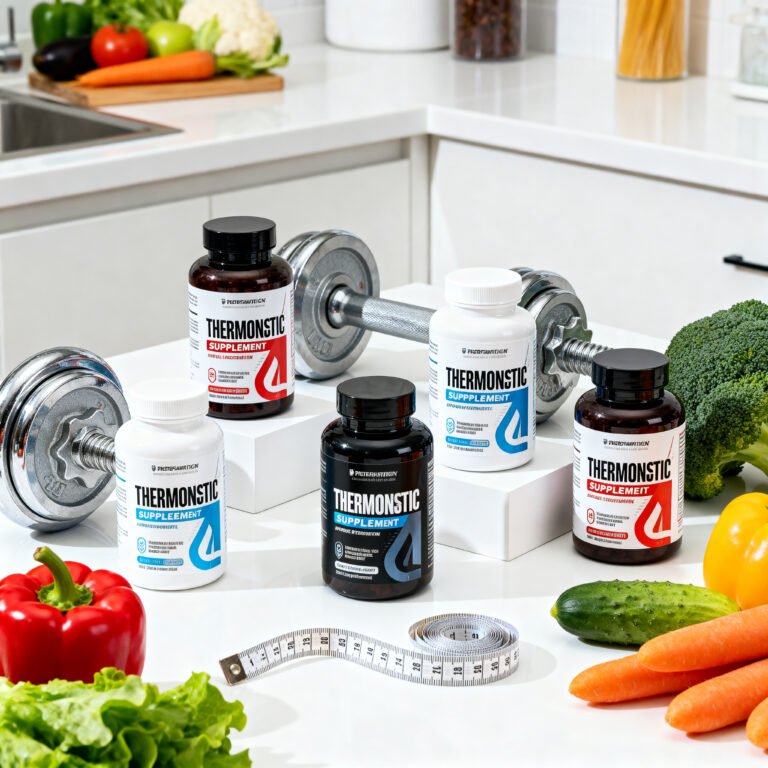
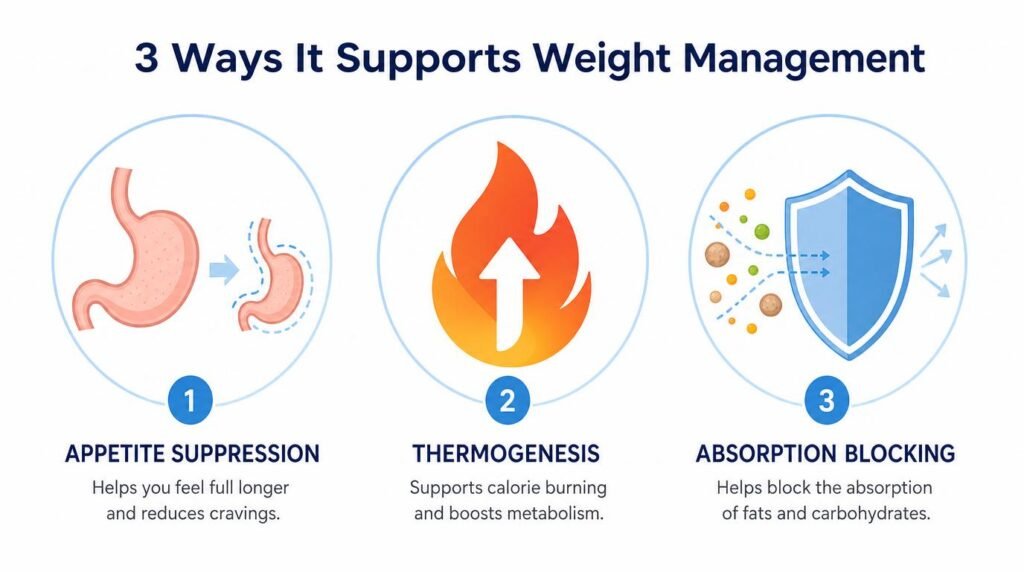
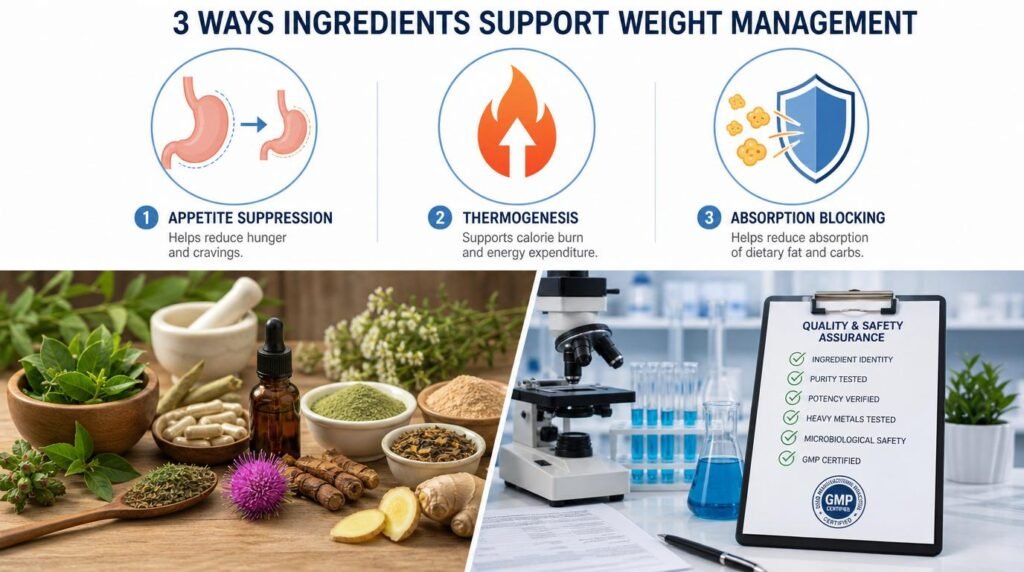
Diet pills for beginners work through three primary mechanisms — appetite suppression, thermogenesis (increased calorie burning), and nutrient absorption blocking. They do not independently cause significant fat loss without a caloric deficit. Think of them as a 10-20% boost on top of the work you’re already doing through nutrition and movement.
I need to get something out of the way before we go any further. No pill — prescription, over-the-counter, or otherwise — will melt fat off your body while you sit on the couch eating pizza. I know that sounds obvious, but the $33 billion weight loss supplement industry spends an obscene amount of money trying to make you believe otherwise.
What weight loss pills can do is give you a legitimate edge. The National Institute of Diabetes and Digestive and Kidney Diseases (NIDDK) acknowledges that certain compounds produce statistically significant effects on body weight when combined with lifestyle modifications. We’re talking about a measurable advantage — not a miracle.
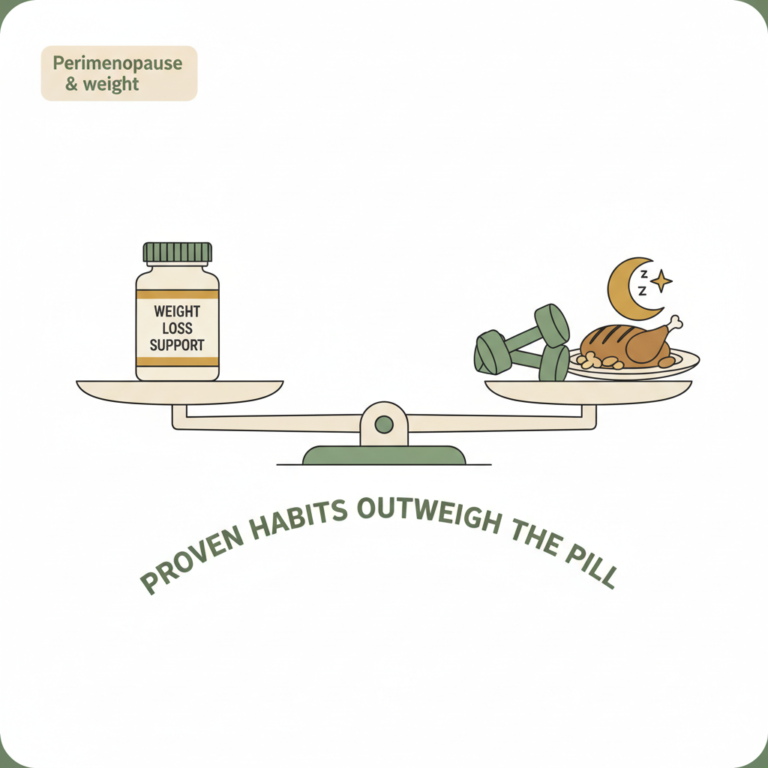
Here’s how I explain it to people who ask me at dinner parties (yes, this happens more than you’d think): imagine you’re pushing a heavy sled across a field. Diet and exercise are your legs doing the pushing. A good supplement is like having the wind at your back. Helpful? Absolutely. But wind alone won’t move a parked sled.
The 3 Categories Every Beginner Must Understand
Why do so many beginners pick the wrong supplement on their first try? Because they skip this step entirely. They type “best diet pill” into Google and buy whatever has the most five-star reviews. That’s like walking into a pharmacy and grabbing the first box you see without reading the label.
Every weight loss supplement falls into one of three functional categories. Understanding these categories before you spend a dime will save you months of frustration — and probably a couple hundred dollars.
What Are Fat Burners and How Do Thermogenics Work?
Fat burners — specifically thermogenic diet pills — increase your body’s heat production, which forces your metabolism to burn more calories at rest. The most common active ingredients include caffeine, green tea extract (EGCG), capsaicin, and yohimbine. A meta-analysis in the American Journal of Clinical Nutrition found that catechin-caffeine mixtures increased energy expenditure by roughly 4.7% over 24 hours.
That 4.7% doesn’t sound sexy, I know. But compounded over 12 weeks while you’re already in a caloric deficit? It adds up to roughly 2-4 extra pounds of fat loss. For a beginner, that’s genuinely meaningful.
How Do Appetite Suppressants Help With Weight Loss?
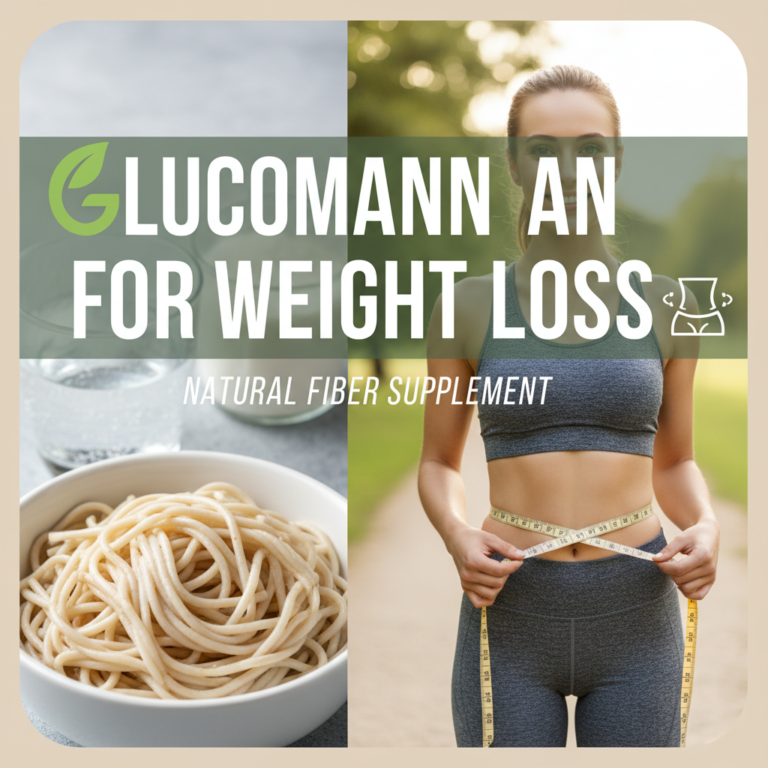
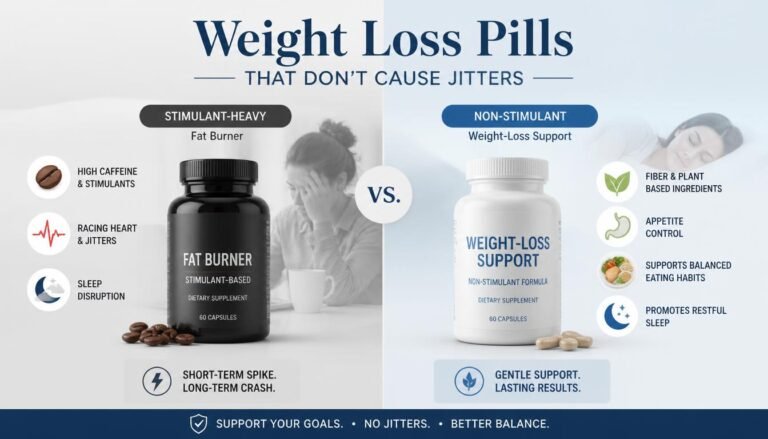
Appetite suppressants attack the demand side of the equation. Instead of burning more, you consume less — and you do it without feeling like you’re white-knuckling through every meal. Glucomannan, 5-HTP, and certain fiber-based supplements expand in your stomach or influence serotonin pathways to reduce hunger signaling.
IMO, appetite suppressants are the most underrated category for beginners. Here’s why: most first-timers struggle way more with overeating than with insufficient calorie burning. If your primary battle is portion control or late-night snacking, a well-chosen appetite suppressant targets the actual problem.
What Are Carb and Fat Blockers?
The third category — absorption blockers — uses ingredients like white kidney bean extract or chitosan to partially inhibit the enzymes that break down carbohydrates or fats. Your body absorbs fewer calories from the food you eat. The clinical evidence here is thinner than the other two categories, and I generally don’t recommend blockers as a beginner’s first supplement. They work best as a secondary tool after you’ve dialed in the fundamentals.
Supplement Safety: The Non-Negotiable Starting Point
Can I be blunt with you for a second? This section matters more than every other section on this page combined. Supplement safety isn’t a footnote — it’s the foundation everything else sits on.
The dietary supplement industry in the United States operates under the Dietary Supplement Health and Education Act of 1994 (DSHEA), which means the FDA does not approve supplements for safety or efficacy before they hit shelves. Read that again. Unlike prescription drugs, manufacturers don’t need to prove their product works — or that it won’t harm you — before selling it.
This isn’t fearmongering. It’s context that changes how you should shop. Here’s my personal safety checklist that I’ve refined over 10+ years:
- Third-party testing certification: Look for USP, NSF International, or Informed Sport seals on the label. These organizations independently verify that what’s on the label is actually in the bottle.
- Transparent labeling: Avoid “proprietary blends” that hide individual ingredient dosages. If a company won’t tell you how much of each ingredient you’re taking, that’s a red flag the size of a billboard.
- Single-ingredient start: Begin with one active ingredient at a time. If you stack three compounds on day one and experience side effects, you’ll have no idea which one caused the problem.
- Half-dose initiation: Start at 50% of the recommended dose for the first 5-7 days. Your body needs time to assess tolerance, especially with stimulant-based fat burners.
- Physician clearance: If you take any prescription medication — especially blood pressure, thyroid, or mental health drugs — talk to your doctor first. Interactions are real and sometimes dangerous.
I learned that single-ingredient rule the hard way, by the way. Years ago, I tried a supplement with six different stimulants stacked together and spent an entire night with my heart hammering like I’d downed a pot of espresso. I couldn’t pinpoint which ingredient my body rejected. Lesson learned — expensively.
For a deeper breakdown of supplements with minimal adverse effects, check out this guide on the best diet pills without side effects.
The Biggest Myth About Beginner Weight Loss Supplements
“Natural means safe.” I hear this constantly, and every time I do, I cringe a little. Let me tell you why this particular myth is so dangerous — and then I’ll tell you what actually matters instead.
Ephedra is natural. It comes from a plant. The FDA banned it in 2004 after it contributed to heart attacks, strokes, and multiple deaths. Arsenic is natural too — it occurs freely in soil and water. “Natural” is a description of origin, not a guarantee of safety.
The supplement industry knows that “natural” and “plant-based” trigger an automatic trust response in consumers. And they exploit that mercilessly. I’ve reviewed products with “100% Natural” splashed across the label that contained undisclosed pharmaceutical compounds discovered only through independent lab testing.
What actually determines whether a weight loss supplement is safe for beginners? Three things: published clinical research on the specific ingredient at the specific dose, third-party verification of label accuracy, and your individual health profile. That’s it. Not the marketing copy. Not the Instagram influencer testimonial. Not the word “natural” in a green font.
How to Choose Your First Diet Pill Without Getting Burned
Alright, you understand the categories, you respect the safety protocols, and you’ve ditched the “natural = safe” fallacy. Now the practical question: how do you actually pick your first supplement from the thousands available?
I use a decision framework I call the B.A.S.E. Method — and I haven’t seen anyone else teach this, probably because it’s unsexy but brutally effective:
- B — Behavior Target: Identify your #1 behavioral barrier to weight loss. Is it hunger? Low energy? Cravings? Slow metabolism? Your supplement should target the behavior, not just “weight loss” generically.
- A — Active Ingredient Audit: Research the primary active ingredient independently. PubMed and Google Scholar are your friends. Look for human trials, not rat studies.
- S — Source Verification: Confirm the manufacturer’s reputation, check for FDA warning letters (searchable on FDA.gov), and verify third-party testing.
- E — Exit Strategy: Plan your cycle length before you start. Most beginner weight loss supplements work best in 8-12 week cycles with a 2-4 week break. Going in without an exit plan leads to tolerance buildup and diminishing returns.
When I work through this framework with someone, we almost always land on a clear winner within 20 minutes. Compare that to the hours most beginners spend doom-scrolling Amazon reviews written by people who took the pill for three days and expected to lose 20 pounds.
If you want a curated shortlist to start from, I put together a ranking of the best diet pills currently available that applies this exact methodology.
Advanced Tactic: Strategic Supplement Cycling
Here’s where I go deeper than the typical diet pill guide dares to go. Most articles tell you to “take the recommended dose and be patient.” That’s fine advice — for week one. But what about week six, when your body has adapted to the stimulant load and the effects start plateauing? TBH, this is where most beginners quit and declare that “diet pills don’t work.”
Strategic cycling solves this. Here’s how I structure it for clients who are using thermogenic fat burners:
Weeks 1-2 (Ramp Phase): Take 50% of the recommended dose. You’re assessing tolerance and establishing a baseline response. Track your resting heart rate, sleep quality, and subjective energy levels daily.
Weeks 3-8 (Active Phase): Move to the full recommended dose. This is your primary effectiveness window. Combine with structured exercise — even 30-minute walks significantly amplify thermogenic effects because your elevated body temperature stacks with exercise-induced calorie burn.
Weeks 9-10 (Taper Phase): Reduce back to 50% dose. Your body’s receptor sensitivity has likely downregulated, so continuing at full dose yields diminishing returns while maintaining side effect risk.
Weeks 11-14 (Washout Phase): Zero supplementation. This is where receptor sensitivity resets. During this period, you rely entirely on the nutritional habits and exercise patterns you’ve built during the active phase.
The washout phase is where the magic happens — and it’s counterintuitive enough that most people skip it. Your habits have been reinforced for 10 weeks with pharmaceutical support. Now you operate without the training wheels. Many of my clients discover they don’t even need a second cycle because the behavioral changes stuck.
Expert Commentary: This evidence-based breakdown covers the actual pharmacology behind how popular weight loss supplement ingredients interact with your metabolism. It’s worth your time because it explains why certain ingredients work at specific doses — information most product reviews deliberately skip because it complicates their sales pitch.
Setting Real Expectations for Your First 90 Days
What does realistic progress actually look like when a beginner starts taking weight loss pills alongside a sensible nutrition plan? I’ll give you the numbers most brands hope you never see — because realistic numbers don’t sell bottles off shelves.
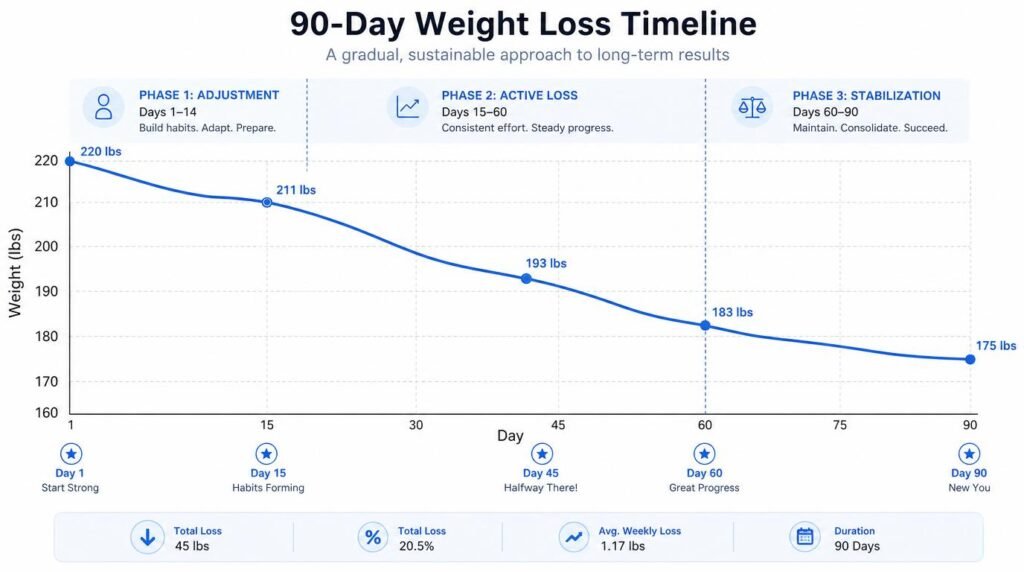
Days 1-14: You’ll likely notice appetite changes (reduced hunger, fewer cravings) or energy shifts (increased alertness, possible jitteriness) depending on your supplement type. Scale weight may drop 2-5 pounds, but most of this is water weight from reduced carbohydrate intake and glycogen depletion. Don’t get excited about this number — and don’t get discouraged when it slows down.
Days 15-60: This is your true fat-loss window. Expect 0.5-1.5 pounds of actual fat loss per week if your caloric deficit is dialed in. That means 4-9 pounds of genuine fat loss over this period. I know — it doesn’t match the “LOSE 30 POUNDS IN 30 DAYS” headline. But 4-9 pounds of real fat? That’s 1-2 pants sizes. That’s visible in the mirror. That’s significant 🙂
Days 60-90: Results typically decelerate as your body adapts. This is normal, expected, and not a sign of failure. It’s your cue to evaluate whether to enter a taper/washout phase or adjust your nutrition strategy. The supplement did its job — it gave you momentum during the hardest phase of building new habits.
Women over 40 often experience a different timeline due to hormonal factors that affect metabolism and fat distribution. I wrote a specific breakdown of diet pills optimized for women over 40 that addresses those nuances in detail.
Here’s the insider knowledge most brands will never print on their labels: the best outcome from your first supplement cycle isn’t the weight you lose. It’s the behavioral infrastructure you build. The meal timing habits. The exercise consistency. The portion awareness. The pill is temporary scaffolding — the building it supports should stand on its own.
Frequently Asked Questions
What are the safest diet pills for beginners?
The safest diet pills for beginners typically contain well-researched ingredients like glucomannan, green tea extract, or conjugated linoleic acid (CLA). Start with single-ingredient supplements rather than proprietary blends so you can monitor how your body responds to each compound individually. Always verify third-party testing certifications like USP or NSF before purchasing.
Do diet pills actually work for weight loss?
Some diet pills produce modest, clinically measurable effects on weight loss when combined with proper nutrition and exercise. Research published in the Journal of Obesity shows certain ingredients like caffeine and green tea catechins can boost metabolic rate by 3-8%. However, no pill replaces a caloric deficit — they function as accelerators, not replacements, for fundamental lifestyle changes.
How long should beginners take diet pills before seeing results?
Most beginners notice initial effects from diet pills within 2-4 weeks, though meaningful fat loss results typically emerge around the 8-12 week mark. Appetite suppressants tend to show faster subjective results, while thermogenic fat burners require consistent use alongside exercise to produce visible body composition changes. Cycle off every 8-12 weeks to prevent tolerance buildup.
Can I take diet pills without exercising?
You can take diet pills without exercising, but your results will be significantly diminished. Appetite suppressants may still help reduce caloric intake passively, but thermogenic fat burners and metabolism boosters deliver their best results when paired with physical activity that elevates heart rate. Think of pills as a force multiplier — they multiply the effort you put in, so zero effort multiplied still equals minimal results.
What side effects should beginners watch for with weight loss pills?
Common side effects beginners should monitor include jitteriness, increased heart rate, digestive discomfort, insomnia, and headaches. Stimulant-based fat burners containing caffeine or synephrine cause the most reported issues. Start with half the recommended dose for the first week to assess tolerance. Stop immediately and consult a physician if you experience chest pain, severe anxiety, or allergic reactions.
Are natural diet pills better than synthetic ones for beginners?
Natural does not automatically mean safer or more effective. Some natural compounds like ephedra proved dangerous enough for the FDA to ban them, while certain synthetic ingredients have strong clinical backing. What matters most for beginners is choosing supplements with transparent labeling, third-party testing, and published clinical research — regardless of whether the ingredients come from a plant or a lab.
My Top Recommended Gear
After testing dozens of products and cross-referencing clinical data, these three supplements consistently earn my recommendation for beginners entering the weight loss supplement space:
- Transparent Labs PhysiqueSeries Fat Burner — I recommend this because it uses fully disclosed dosages (no proprietary blends), contains research-backed thermogenic ingredients, and is third-party tested. It’s the gold standard for beginners who want a stimulant-based fat burner with zero ingredient guesswork.
- NOW Foods Glucomannan Capsules — I recommend this as a beginner-friendly appetite suppressant with strong clinical evidence. Glucomannan is a soluble fiber that expands in your stomach and reduces hunger with minimal side effects. Simple, effective, and affordable.
- Nutricost Green Tea Extract (EGCG) — I recommend this for beginners who want a mild metabolic boost without heavy stimulants. EGCG has robust published research supporting modest fat oxidation benefits, and Nutricost provides transparent dosing at a price point that won’t break the bank.
Disclaimer: This post contains affiliate links. As an Amazon Associate, I may earn a commission from qualifying purchases at no additional cost to you. I only recommend products I’ve personally tested or rigorously researched.