Safest Diet Pill for Long-Term Use: How to Choose Safely
If you’re searching for the safest diet pill for long-term use, you typed that question into a search bar hoping for one clean answer. A single pill. A name you could trust and take forever. Here’s the honest truth: that pill doesn’t exist — at least not the way the ads promise. But you’re not out of luck. The real answer is more useful than the fake one, and it’s the one that actually keeps you safe. Let’s walk through it together.
There is no single safest diet pill for long-term use that works for everyone. The safest option is a prescription weight-loss medication chosen by a doctor to match your health history and other conditions, then monitored over time. For many people today, that means GLP-1 drugs like semaglutide or tirzepatide.
Diet Pill vs. Weight Loss Medication: What’s the Difference?
This is the most important thing to understand, so read it twice.
A “diet pill” you grab off a shelf is usually a supplement. Supplements are barely regulated — manufacturers don’t need FDA approval before selling them. Nobody has to prove they work. Nobody has to prove they’re safe.
A prescription weight-loss medication is different. A doctor prescribes it. It went through years of testing. The FDA reviewed the data.
These two things are worlds apart. When people ask about the safest diet pill, they usually picture the shelf kind. Those are the ones to be most careful with.
So for the rest of this guide, we’re talking about real, doctor-prescribed medication and prescription weight loss pills. That’s where safety actually lives.
Are Weight Loss Pills Safe? A Look at the History
Maybe you’ve been burned before. Maybe you’ve read the scary headlines. Your caution is smart. Here’s why.
The weight-loss drug graveyard is real:
- Fen-phen damaged people’s heart valves. It was pulled from the market.
- Ephedra was linked to deaths. It was banned.
- Sibutramine raised the risk of heart attacks and strokes. It’s gone.
So when you feel suspicious, you’re not being paranoid. You’re paying attention. Keep that instinct — we’re going to use it.
How GLP-1 Weight Loss Medications Work
The old drugs tried to force your body to burn more or eat less through blunt, risky methods. The newer ones work with your body’s own hormones instead. That’s a big shift.
These are the GLP-1 medications. You’ve probably heard the brand names: Wegovy and Zepbound. The active ingredients are semaglutide and tirzepatide.
Here’s the simple version. They copy a gut hormone your body already makes. That hormone tells your brain you’re full. It also slows how fast your stomach empties. So you feel satisfied with less food. You’re not white-knuckling through constant hunger.
How Much Weight Can You Lose on Semaglutide vs. Tirzepatide?
This is where it gets encouraging. And where I’ll stay honest.
In clinical trials, people on these drugs lost real weight. Semaglutide helped people lose around 15% of their body weight. Tirzepatide pushed that even higher, into the 20% range for many people.
That’s not “lose 5 pounds before vacation.” That’s meaningful, life-changing weight loss for a lot of people.
These aren’t fringe results. The semaglutide numbers come from the STEP trials, and the tirzepatide numbers from the SURMOUNT trials — the same large studies the FDA reviewed before approving Wegovy and Zepbound. Some followed people for well over a year, and the weight stayed off while they kept taking the medication.
That last part matters. A lot. Hold onto it.
Side Effects of GLP-1 Weight Loss Drugs
I promised you honesty. Here it is. These drugs are not free of side effects. Most people get at least some.
Common Side Effects
The common ones hit your stomach:
- Nausea
- Vomiting
- Diarrhea
- Constipation
For most people, these are worst at the start. They often fade as your body adjusts. Doctors usually start you on a low dose and raise it slowly to help.
Rare but Serious Risks
Some risks are rarer but more serious. You deserve to know them.
A few people develop an inflamed pancreas, called pancreatitis. Some have gallbladder trouble. There is also a warning about thyroid tumors. That warning comes mostly from animal studies. In people, the real risk looks very low. Still, it’s why your doctor asks about your family’s thyroid history first.
One more thing to watch: losing weight fast can cost you muscle, not just fat. Some people feel dizzy, too. None of this means run away. It means go in with your eyes open, and with a doctor watching.
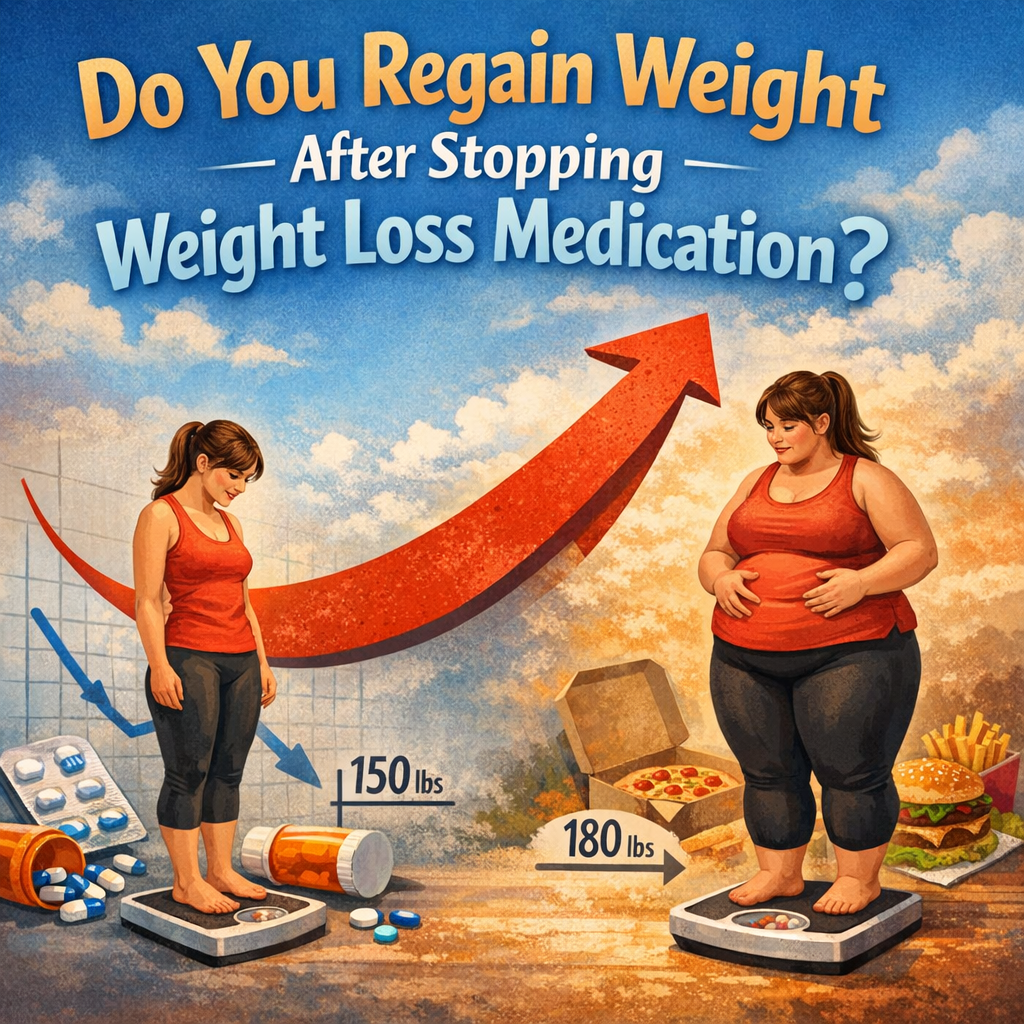
Do You Regain Weight After Stopping Weight Loss Medication?
Here’s the honest kicker. These medications are not a cure.
After reading through the trial data and the stories of people who’ve actually lived on these drugs, one pattern is impossible to miss. When people stop taking them, the weight tends to come back. One large 2026 analysis found people regained nearly two pounds a month after stopping.
Read that again. The weight comes back when you stop.
This changes the whole question. “Safest for long-term use” isn’t about a magic pill you take forever with zero effort. It’s about treating obesity like what it is: a long-term health condition. Think of high blood pressure. You don’t take that medicine for a month and call yourself cured. You manage it. Weight works the same way.
What Is the Safest Diet Pill for Long-Term Use?
Here’s the honest answer. There is no single safest diet pill for long-term use for everyone. Anyone who tells you otherwise is selling something.
The safest option is simple to describe. It’s the one that fits your body. It fits your health history. And a doctor keeps an eye on it. For one person that might be tirzepatide. For another, an older option like orlistat, or a combo pill like Qsymia or Contrave, makes more sense. Some drugs, like phentermine alone, are only meant for short-term use — not long-term weight loss.
The right choice depends on a few things:
- Your other health conditions
- Medications you already take
- Your family history
- How your body handles side effects
A pill that’s great for your neighbor could be wrong for you. That’s not a dodge. That’s just how medicine works.
How to Spot Diet Pill Scams and Red Flags
Let’s use that healthy suspicion you’ve earned. Walk away from any diet pill that:
- Says “no doctor needed”
- Promises huge results with “no diet or exercise”
- Calls itself a “miracle” or “secret”
- Is sold only through a sketchy website
- Won’t tell you the actual ingredients
Real weight-loss medication is prescription-only for a reason. That prescription isn’t a hurdle. It’s a safety feature. It means a trained person is checking that the drug is right for you. If a product skips the doctor, it’s skipping your safety.
How to Talk to Your Doctor About Weight Loss Pills
So where does this leave you? You came here looking for a pill. What you actually need is a conversation.
Book a visit with a doctor or a real weight-loss clinic. Bring your full health history. Ask them three questions:
- Am I a good candidate for weight-loss medication?
- Which option fits my specific health?
- What’s the plan for keeping the weight off long-term?
That plan matters most. The medication is one tool. Real food changes, movement, and support are what make it last.
So stop hunting for a name. The safest diet pill for long-term use was never going to be something you found in a search bar or bought off a slick website. It’s whatever a real doctor picks for your body, watches over time, and backs up with food and movement that actually stick. That’s less exciting than a miracle pill. It’s also the only version that won’t hurt you. Book one appointment with a licensed doctor or weight-loss clinic this week, bring your full health history, and ask which option is right for you — that’s the real answer you came here for.
This article is for general information only. It is not medical advice. Weight-loss medications are serious drugs with real risks. Everything here draws on public guidance from the Mayo Clinic, Stanford Medicine, the FDA, and the Obesity Medicine Association, plus peer-reviewed research published through 2026 — but none of it replaces a conversation with your own licensed healthcare provider. Always talk to one before starting any medication.