
Appetite Suppressant for Belly Fat Cravings and Hunger Control
“The only way to keep your health is to eat what you don’t want, drink what you don’t like, and do what you’d rather not.” Mark Twain’s witty observation hits close to home for anyone locked in a daily battle with their stomach.
That 3 AM pantry raid or the constant mental chatter about food doesn’t have to be your normal. This guide is your map through the world of science-backed hunger control.
We’ll explore how various tools, from ancient natural herbs to modern prescription options, can help manage those intense urges. The goal is to give you back control, so you can focus on your life, not your next snack.
Whether it’s emotional eating or simple, persistent hunger pangs, understanding your options is the first step toward successful weight loss. Let’s find a strategy that works for you.
Key Takeaways
- This guide provides a complete overview of strategies for managing intense food cravings and hunger.
- Options range from natural supplements and dietary changes to prescription medications.
- Understanding the science behind these tools is key to making an informed choice.
- The focus is on sustainable control to support your overall weight loss journey.
- You can break free from constant thoughts about food and emotional eating patterns.
Introduction to Appetite Suppressants and Belly Fat Cravings
Managing hunger isn’t just about willpower. It’s about understanding the tools that can help quiet the noise.
This section breaks down the basics. We’ll look at what these tools are and why cravings happen.
What Are Appetite Suppressants?
An appetite suppressant is a substance designed to help with weight management. It makes you feel less hungry or fuller after eating.
Prescription versions are FDA-approved for specific health conditions. Over-the-counter options exist, but their safety isn’t always guaranteed.
It’s helpful to know the different types of hunger you might face. The table below clarifies the main players.
| Hunger Type | What Triggers It | How It Feels | How to Manage |
|---|---|---|---|
| True Physiological Hunger | Your body needs fuel. Low blood sugar. | Builds slowly. Satisfied by many foods. | Eat a balanced meal. |
| Food Cravings | Brain chemistry, stress, or habit. | Sudden, intense. Demands specific treats. | Use strategies to control appetite. |
Understanding Belly Fat Cravings
Cravings are not the same as real hunger. They are often linked to emotional triggers or blood sugar dips.
These intense urges can lead to weight gain if not managed. Appetite suppressants target the mechanisms behind these patterns.
Knowing the difference empowers you to choose the right tool for your journey.
How Appetite Suppressants Work to Curb Hunger
The science of quieting hunger is a fascinating conversation between your gut and your head. These tools don’t just plug your stomach; they translate its signals so your brain finally listens.
Mechanisms Behind Fullness
Feeling satisfied involves two parts. First, physical satiation—your stomach is physically full. Second, satiety—the mental desire to eat is gone.
Modern medications like Wegovy or Zepbound mimic a natural body hormone called GLP-1. This turns up your “I’m full” signals and keeps food in your stomach longer.
Not all options work the same way. Different mechanisms target different parts of the hunger puzzle:
- GLP-1 Agonists: Mimic fullness hormones, slowing digestion and signaling the brain.
- Dual-Action Drugs: Like Zepbound, target a second hormone for added impact on weight management.
- Brain-Targeting: Older options, such as Contrave, work on reward centers to reduce the *want* for food.
- Stimulant-Based: Increase metabolism, so you burn more energy even at rest.
Your specific hunger type determines which approach might work best. It’s about finding the right translator for your internal dialogue.
Effective Appetite Suppressant for Belly Fat Cravings
The world of hunger control offers two distinct paths: one paved with gentle, natural nudges and another with powerful, prescription-driven pushes.
Your choice depends on the intensity of your struggle and your overall health profile.
Natural vs. Prescription Options
On one side, you have over-the-counter supplements and whole foods. Think fiber-rich meals or herbs like fenugreek.
They work by slowing digestion or influencing fullness signals. You don’t need a doctor’s note for these.
On the other side are FDA-approved medications. Clinical studies show they help people lose 3% to 12% of their body weight over a year.
This level of weight loss is often enough to improve key health markers. Prescription options are typically for individuals with a BMI of 30 or higher, or 27+ with a related condition like type 2 diabetes.
Key Benefits for Weight Management
The real win isn’t just a lower number on the scale. Effective tools provide broader weight management benefits.
- They break the exhausting cycle of constant snacking and mental negotiations with food.
- They help stabilize blood sugar, preventing energy crashes that lead to overeating.
- They make sticking to a sensible calorie target feel sustainable, not like a punishment.
Remember, no pill is magic. These are tools that support the hard work of diet and exercise changes for long-term weight loss.
Natural Herbs for Weight Management
Beyond prescription bottles, the plant kingdom offers its own toolkit for taming hunger and supporting weight goals. Three herbs, in particular, have some intriguing research behind them.
Fenugreek and Its Fiber Benefits
Fenugreek seeds are packed with both soluble and insoluble fiber. This fiber forms a gel in your stomach, slowing digestion and promoting a sense of fullness.
A 2015 study had women drink fenugreek tea before a buffet. They reported much less desire to eat compared to others. The fiber content is likely the hero here.
Gymnema Sylvestre and Caralluma Fimbriata
Gymnema sylvestre is nicknamed the “sugar destroyer.” It can temporarily block sweet tastes on your tongue. A 2020 study found mints containing it made people eat less chocolate.
Caralluma fimbriata is another herb showing promise. In a 2021 study, adults taking its extract for 16 weeks ate fewer calories and saw their waistlines shrink.
These supplements represent interesting natural paths for weight loss. However, the studies are often small. More research is needed.
For a deeper dive into plant-based options, explore this list of 10 natural appetite suppressants. They can be a gentler part of your weight management plan.
The Power of Fiber in Suppressing Appetite
Imagine a nutrient that expands in your stomach, sending powerful ‘stop eating’ signals to your brain. That’s the magic of dietary fiber. It’s a non-digestible carb that acts like a sponge, soaking up water and promoting a lasting sense of fullness.
Glucomannan, Psyllium, and Other Sources
Soluble fiber stars like glucomannan and psyllium are superstars. Glucomannan can absorb up to 50 times its weight in water, creating a substantial gel.
Psyllium, found in products like Metamucil, forms a similar gel in the gut. Many whole foods are also packed with fiber. Think raspberries, broccoli, oats, and beans.
How Fiber Promotes Satiety
This gel slows down how quickly food leaves your stomach. That physical stretch triggers hormones that tell your brain you’re satisfied.
Fiber also helps stabilize blood sugar. This prevents the energy crashes that often lead to sudden hunger. Including more high-fiber foods is a smart strategy for weight management.
It supports a healthy weight by naturally helping you feel full on fewer calories.
The Impact of Caffeine and Green Tea Extract on Hunger Control
Let’s talk about the world’s favorite legal stimulant and its ancient, leafier cousin in the fight against constant snacking. Your daily coffee and green tea might be doing more than just providing a lift.

They contain compounds that can influence your metabolism and feelings of hunger.
Coffee’s Role in Increasing Metabolism
The caffeine in your brew is a central nervous system stimulant. It can boost your metabolic rate, encouraging your body to burn more fat for energy.
It also seems to affect stomach emptying and key hunger hormones. For the best effects on appetite, try drinking it 30 minutes to four hours before a meal.
| Beverage | Key Compound | Primary Mechanism | Notable Effect |
|---|---|---|---|
| Coffee | Caffeine | Stimulates metabolism & fat oxidation | May reduce calorie intake at next meal |
| Green Tea Extract | Caffeine + EGCG | Blocks fat-storing enzymes, boosts metabolism | Modest reductions in body fat over time |
Green Tea Catechins and Their Effects
Green tea brings a powerful one-two punch. It pairs caffeine with catechins, like EGCG.
Research shows consuming green tea with sufficient EGCG for 12 weeks can support weight loss and reduce fat mass. The effects are often stronger when combined with caffeine.
Catechins work by interfering with enzymes that store fat. They may also promote feelings of fullness. For a broader look at metabolism-boosting supplements, explore our detailed guide.
Remember, moderation is key. Too much caffeine can cause jitters or raise blood pressure in some people.
Supplements That Boost Metabolism and Reduce Cravings
Beyond herbs and fiber, a different class of supplements targets your metabolic engine and brain chemistry.
These capsules promise a two-pronged approach: rev your calorie burn and dial down the desire to eat.
Conjugated Linoleic Acid (CLA) Insights
CLA is a fatty acid found in meat and dairy. It’s more popular as a supplement.
Studies suggest it may improve body composition. A 2015 review found that taking 3.4 grams daily for 12 weeks helped people over 44 achieve weight loss and fat loss.
The effects come from shrinking fat cells and blocking new fat production. Think of it as a multi-pronged eviction notice for stored body fat.
The common trade-off? Gastrointestinal side effects like bloating and discomfort. Your quest for a trimmer waist might involve some belly drama.
5-HTP and Other Emerging Options
5-HTP is derived from the Griffonia simplicifolia plant. It converts into serotonin, your brain’s “feel full” chemical.
Research hints it might help some people manage obesity by promoting satiety. However, it carries a risk of serotonin syndrome—a serious condition.
Other emerging options include alpha-lipoic acid and tyrosine. They show early promise for weight management.
Here’s the reality check. These supplements aren’t FDA-regulated like drugs. Quality and potency can be a wild card.
Always choose third-party tested products. More importantly, consult your doctor before diving into the supplement pool.
Prescription Appetite Suppressants: An Overview
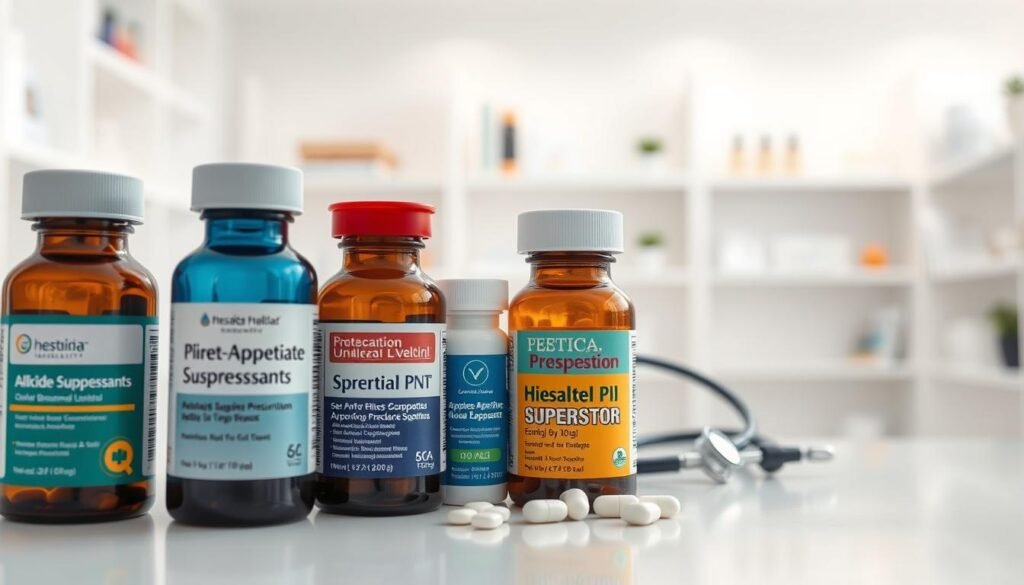
Beyond the supplement aisle lies a category of FDA-regulated medications designed for significant, sustained weight loss. These are not quick fixes but tools for long-term management.
They must be paired with a reduced-calorie diet and more activity. Even pharmaceutical science admits no pill works solo.
GLP-1 Agonists and Their Function
GLP-1 agonists are the new class on the block. They mimic a gut hormone that tells your brain you’re full.
This also slows how fast your stomach empties. Semaglutide (Wegovy) and tirzepatide (Zepbound) are weekly injections.
Tirzepatide has double hormonal firepower, mimicking a second hormone for better blood sugar control. Liraglutide (Saxenda) is a daily injection with a similar mechanism.
| Medication | Type | Frequency | Key Mechanism |
|---|---|---|---|
| Semaglutide (Wegovy) | GLP-1 Agonist | Weekly Injection | Mimics fullness hormone, slows digestion |
| Tirzepatide (Zepbound) | GLP-1/GIP Agonist | Weekly Injection | Mimics two hormones for appetite & blood sugar control |
| Liraglutide (Saxenda) | GLP-1 Agonist | Daily Injection | Dampens hunger signals |
| Naltrexone/Bupropion (Contrave) | Combination Pill | Daily Oral | Affects brain reward centers to reduce food appeal |
| Phentermine/Topiramate (Qsymia) | Combination Pill | Daily Oral | Stimulant reduces hunger; topiramate increases fullness |
These prescription appetite suppressants are for adults with a BMI of 30+ (obesity) or 27+ with a related health issue. Short-term stimulants like phentermine exist but are controlled substances.
For a broader look at all options, see our comprehensive guide to diet pills. Choosing the right medication is a serious decision best made with a doctor.
Integrating Diet, Exercise, and Appetite Regulation
The secret to lasting change isn’t found in a single pill or potion. It’s in the powerful trio of smart eating, consistent movement, and strategic support.
Tools for hunger control work best when paired with solid lifestyle foundations. They make the hard work of a healthier diet and regular exercise more bearable.
Meal Planning and Balanced Nutrition
When you’re not battling constant hunger, planning meals gets easier. Focus on foods rich in protein and fiber for lasting fullness.
Think chicken, fish, beans, whole grains, and plenty of veggies. This approach provides the nutrients your body needs for good health.
Balanced meals with all three macronutrients help stabilize energy. This prevents the blood sugar crashes that trigger sudden calories cravings.
Effective Exercise Strategies
Your exercise routine should complement your nutritional strategy. Aim for a mix of cardio to burn calories and strength training to build muscle.
Muscle tissue boosts your resting metabolism. That means you burn more energy even at rest, aiding weight management.
Don’t forget hydration. Drinking water helps fill your stomach and can prevent mistaking thirst for hunger.
For a sustainable approach, let your tools, diet, and exercise work together. This creates a positive cycle that supports long-term weight goals. Following established clinical guidelines for weight management can help structure this integration. It’s wise to read comprehensive reviews of diet aids to understand how they fit into this bigger picture.
Addressing Safety Considerations and Side Effects
Before you reach for any pill or powder to quiet your hunger, it’s crucial to understand the potential trade-offs. The effects on your body can vary wildly.

Potential Side Effects of Supplements
Natural supplements often cause milder issues like bloating. Yet, some carry serious risks for certain people.
Prescription medications have their own profile. Common side effects include nausea and stomach pain. Stimulant-based options can affect your blood pressure and heart rate.
| Type | Common Side Effects | Populations to Avoid |
|---|---|---|
| Prescription Medications (GLP-1) | Nausea, constipation, fatigue | Pregnant women, those with certain thyroid cancers |
| Natural/OTC Supplements | Gas, digestive discomfort, throat blockage (if taken dry) | Those with diabetes (fenugreek), liver issues (green tea extract) |
| Stimulant-Based Options | Rapid heartbeat, anxiety, dizziness | Individuals with cardiovascular disease, history of anxiety |
Guidelines for Safe Use
Always talk to your doctor before starting any new regimen. This is vital for your health.
Start with the lowest dose to monitor your body’s reaction. Choose supplements that are third-party tested for quality.
People with existing conditions must be extra cautious. Proper use ensures you manage your weight without compromising your well-being.
Debunking Common Myths About Appetite Suppressants
Let’s separate the hopeful fiction from the hard science surrounding tools for weight management. The market is flooded with tall tales.
No single pill works magic without effort. Even the strongest prescription aids only support a 3-12% body weight loss over a year when combined with diet and exercise.
Also, “natural” doesn’t automatically mean safe. Many supplements are unregulated and can interact poorly with other medications.
You cannot target fat loss from one specific area, no matter what a label claims. Weight reduction happens throughout your entire body.
And no, you won’t necessarily need these tools forever. Many people use them temporarily to build better eating habits.
The evidence-based reality is clear. These are supportive tools, not solo solutions. For a deeper look at common myths about weight loss medication, solid research is your best guide.
Incorporating Natural Foods to Enhance Fullness
Your kitchen holds more power over your hunger than any pill ever could. Choosing whole foods rich in protein and fiber creates meals that keep you satisfied for hours. This strategy supports health and weight management without always needing supplements.
High-Fiber Fruits and Vegetables
High-fiber fruits and vegetables act like nature’s own portion controllers. They add volume to meals with few calories. Options like raspberries, apples, broccoli, and Brussels sprouts slow digestion. This triggers fullness hormones.
Fiber sources extend to whole grains, legumes, nuts, and seeds. Barley, oats, lentils, and chia seeds are excellent choices. They provide vitamins and minerals while controlling appetite throughout the day.
Lean Proteins and Healthy Fats
Lean proteins are superstars for satiety. They trigger hormones like GLP-1 and peptide YY. Your body also burns energy digesting protein. Include chicken, turkey, fish, eggs, and beans in most meals.
Healthy fats play a crucial role despite their calorie density. They slow stomach emptying and promote fullness. Avocados, nuts, olive oil, and fatty fish are smart additions. Pair them with vegetables for balanced meals.
Strategic combinations maximize satisfaction. Try Greek yogurt with berries or salads with olive oil. Including all three macronutrients prevents energy crashes. This approach engineers meals for lasting fullness.
Practical tips make this easy. Meal prep on weekends for ready options. Keep snacks like hard-boiled eggs and cut veggies handy. Drinking water before meals can also help people eat less.
Conclusion
Ultimately, gaining control over food thoughts is less about finding a magic bullet and more about assembling the right toolkit. Your journey is unique, and the best way forward blends science with your personal health profile.
For adults facing obesity, prescription medications offer powerful, evidence-backed tools. Natural strategies also provide solid support for many people. To see how all options stack up, review our detailed diet pills comparisons.
Remember, safety first. Always consult a doctor. These aids work best when paired with better eating and exercise habits.
Sustainable weight management takes patience. But with a tailored plan, achieving lasting weight loss is a realistic goal. You can build a healthier relationship with food for good.