
A referee’s guide to appetite suppressants—clear definitions, how they work inside the body, what’s legit, what’s marketing noise, and how to use them without getting played.
Evidence-weightedNo-hypeRisk-first clarity
Quick navigation
- What Appetite Suppressants Really Are (And Aren’t)
- How Appetite Suppressants Work Inside the Body
- Types of Appetite Suppressants Explained
- Who Appetite Suppressants Are Actually For
- When Appetite Suppressants Help — and When They Backfire
- Expert Verdict — Do Appetite Suppressants Work?
- FAQs
- Products / Tools / Resources
Appetite suppressants are the kind of topic people research late at night: curious, cautious, and quietly tired of being sold to. And honestly? That’s the right posture. This space is full of bold promises, selective science, and marketing that blurs categories on purpose.
In this guide, you’ll get a straight breakdown of what actually works, what’s hype, and who should (or shouldn’t) use appetite suppressants— with enough context around hunger hormones, brain satiety pathways, and blood sugar stabilization to help you make a rational decision without falling for the “miracle” narrative.
Table of Contents
What Appetite Suppressants Really Are (And Aren’t)

Definition vs. the Stories We’re Sold
At the simplest level, appetite suppressants are tools designed to reduce perceived hunger, increase satiety, or delay the urge to eat. That’s the core claim—and it’s the only one worth evaluating.
What they’re not: fat-melting shortcuts, metabolic overrides, or a replacement for habits. If you’ve ever seen an “appetite suppressant” marketed like a fat burner, you’ve seen the exact trick: people want effortless results, so the language quietly shifts from appetite control to “burn fat fast.”
Reality check:Appetite suppressants influence energy intake (what goes in). Weight loss still depends on overall calorie balance and consistency over time.
Appetite Control vs. Fat Burning vs. Metabolic Aids
These terms get mashed together online, but they operate differently:
- Appetite suppressants: reduce hunger signals or increase fullness
- Fat burners: attempt to increase energy expenditure (often modestly)
- Metabolic aids: support processes like insulin sensitivity or nutrient utilization
If you’re buying an appetite suppressant expecting it to behave like a fat burner, the product isn’t the problem—your mental model is. Fix the model first. Then evaluate the tool.
Regulatory Classifications (OTC, Prescription, Supplements)
Appetite suppressants broadly fall into:
OTC options
Typically milder effects and more limited claims.
Dietary supplements
Quality varies; mechanisms are often indirect (satiety, digestion, blood sugar).
Prescription medications
Clinically studied, medically supervised, stronger effects—and stronger trade-offs.
How Appetite Suppressants Work Inside the Body
Hunger Hormones (Ghrelin, Leptin, Insulin Signaling)
Hunger isn’t a moral issue. It’s hormonal messaging. Ghrelin nudges you to eat. Leptin signals satiety. Insulin influences blood sugar—and blood sugar swings are often mistaken for “random cravings.”
Many appetite suppressants work best when they reduce signal noise: steadier blood sugar, fewer hunger spikes, less “I need something now” urgency. That’s very different from trying to overpower hunger indefinitely.
Brain Chemistry & Satiety Pathways
Appetite also lives in the brain. The hypothalamus integrates signals from your gut, hormones, and neurotransmitters like dopamine and serotonin. That’s why you can feel “not hungry” yet still find yourself craving—your satiety cues and reward cues don’t always match.
Some suppressants act centrally (on perception). Others act peripherally (on digestion and blood sugar). The mechanism matters because it changes the risk profile: tolerance, rebound hunger, and dependency risk tend to rise when you rely on heavy central suppression.
Blood Sugar Stabilization vs. Neurological Appetite Control
Think of two lanes:
- Peripheral control: smoother glucose curve → fewer hunger swings → easier compliance
- Central control: reduced appetite perception → faster relief, but more likely to backfire without structure
If you want something sustainable, you generally build around peripheral stability first—and only escalate if you have a plan, guardrails, and realistic expectations.
Types of Appetite Suppressants Explained
Fiber-Based Suppressants
Fiber-based options (like glucomannan from konjac or psyllium husk) expand in the stomach, slow digestion, and increase fullness. They’re not flashy. They’re effective because they’re boring—consistent, low drama, and easier to sustain.
Stimulant-Based Suppressants
Stimulant-based suppressants (often caffeine-forward) can curb appetite short-term by ramping nervous system activity. The catch: tolerance can build, and appetite often rebounds when the effect wears off—especially if you’ve been under-eating.
Protein & Amino-Acid Driven Satiety Aids
Protein is the quiet king of satiety. It tends to improve fullness signals naturally, supports muscle retention, and often reduces “snack drift” without the psychological whiplash of aggressive appetite suppression.
Prescription Appetite Suppressants (Clinical Overview)
Prescription appetite suppressants are a different category: clinically studied, medically supervised, and typically used when weight-related health risks are significant. They can work—but they’re not lifestyle accessories. They’re medical tools.
Who Appetite Suppressants Are Actually For

Emotional Eaters vs. Physiological Hunger
If you eat to self-soothe (stress, boredom, comfort, habit), appetite suppression won’t address the driver. It may mute physical hunger while leaving the emotional “pull” untouched—meaning you still reach for food even when you’re not hungry.
Plateaued Dieters
Plateaued dieters are one of the most legitimate use cases. When intake creeps up unconsciously, a short period of appetite control can reduce friction and restore alignment.
High-Stress / High-Cortisol Individuals
High stress amplifies hunger signaling and cravings. Appetite suppressants can feel like relief—but if the stress stays high, the “fix” becomes fragile. This is where structure (sleep, protein, routine) tends to outperform intensity.
Who Should NOT Use Them (Contraindications)
General caution: If you have a history of eating disorders, are pregnant/breastfeeding, or have certain cardiovascular/neurological conditions, avoid self-experimenting.
When in doubt, treat this like a health decision—because it is.
When Appetite Suppressants Help — and When They Backfire
Short-Term Appetite Control vs. Long-Term Habits
Appetite suppressants can create breathing room during a calorie deficit. But they don’t build skill. They can lower friction—yet long-term outcomes still depend on routines you can keep when the “assist” is gone.
Tolerance, Rebound Hunger, Dependency Risks
The body adapts. When appetite suppression ends abruptly, hunger often rebounds. That’s not a personal failure—it’s physiology reasserting baseline signals. Without an exit plan, rebound hunger turns into “I blew it,” which turns into quitting.
Timing Strategies (Fasting, Calorie Cycling, Deficit Phases)
Strategy matters more than strength. A defined deficit phase, a protein-forward plan, and a transition approach often beat “stronger pills” every time— especially for long-term adherence and appetite control.
Expert Verdict — Do Appetite Suppressants Work?

Evidence Summary (What Studies Actually Suggest)
The most honest answer: appetite suppressants can help in the short term, especially when they improve satiety and reduce decision friction. Results vary heavily by person, product type, and context. They’re tools—not cheat codes.
How to Choose a Safe, Effective Option
- Prefer transparent ingredients and clear mechanisms (satiety, blood sugar stabilization, digestion).
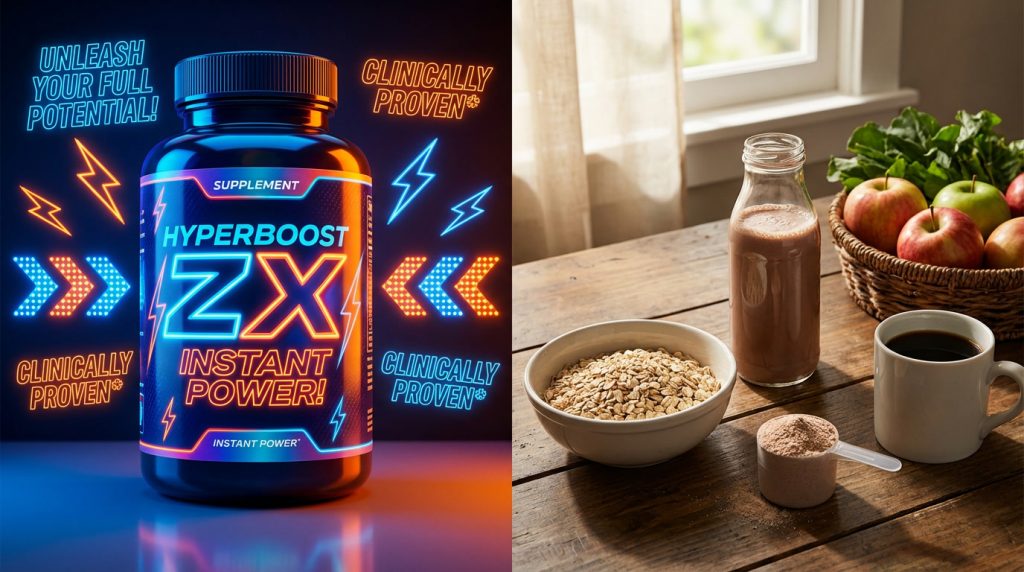
- Be skeptical of “instant fat loss” language—wrong category, wrong expectation.
- Start conservative and track how you feel (sleep, mood, cravings, energy).
Transition Strategy Off Suppressants
Plan the exit. Gradually taper, build protein-first meals, and retrain hunger cues. Most “failures” happen after stopping—because the transition wasn’t designed.
FAQs (The Stuff You’re Probably Thinking)
“Will appetite suppressants actually help me lose weight… or am I just buying hope?”
They can reduce hunger and make a calorie deficit easier to follow—especially short-term. But weight loss still depends on what you consistently do with food intake and routines.
“Are appetite suppressants safe?”
It depends on the type (fiber vs stimulant vs prescription), your health profile, dosage, and duration. The safer path usually starts with satiety and blood sugar stability—not aggressive stimulation.
“Do ‘natural appetite suppressants’ work?”
Some help indirectly (fiber, protein, digestion support). Effects are typically modest—but often more sustainable.
“Can I use appetite suppressants without wrecking my relationship with food?”
Yes—if you treat them as temporary friction reducers, not identity solutions. The key is having a transition plan and building habits that survive without them.
Related Reading (Internal Links)
- Appetite Suppressants vs. Fat Burners: What’s the Difference?
- Hunger Hormones Explained (Ghrelin, Leptin, Insulin)
- Why Weight Loss Plateaus Happen (And How to Break Them)
- Protein and Satiety: The Most Underrated Appetite Tool
Products / Tools / Resources
If you want the “low-drama” route, these are practical tools people commonly use to support appetite control, satiety, and consistency. (Each link opens in a new tab.)
Glucomannan (Konjac) Capsules
Fiber-based satiety support. Best used with plenty of water before meals. Check options on Amazon
Psyllium Husk Powder
Classic fullness tool. Useful for appetite control and digestion regularity. Shop psyllium on Amazon
High-Quality Protein Powder
Protein is one of the strongest satiety levers—simple, reliable, scalable. Browse protein options
Shaker Bottle (For Protein & Satiety Drinks)
Removes friction. If it’s easy, you’ll actually use it. Find a shaker
Digital Kitchen Scale
Short-term awareness tool. Great for stopping “portion creep” during plateaus. See kitchen scales
Meal Prep Containers
The underrated appetite suppressant: pre-decided meals. Shop meal prep containers
Affiliate Disclaimer: As an Amazon Associate, I earn from qualifying purchases.