
It’s crucial to understand how weight loss pills can impact your body when paired with healthy meal planning. With the right approach, these pills can enhance your weight loss journey, but misusing them can lead to health risks. By incorporating nutritious meals and understanding your body’s needs, you can create a balanced strategy that maximizes results while minimizing side effects. This blog post will guide you through effective methods to safely integrate weight loss pills into your lifestyle, ensuring you achieve your goals without compromising your health.
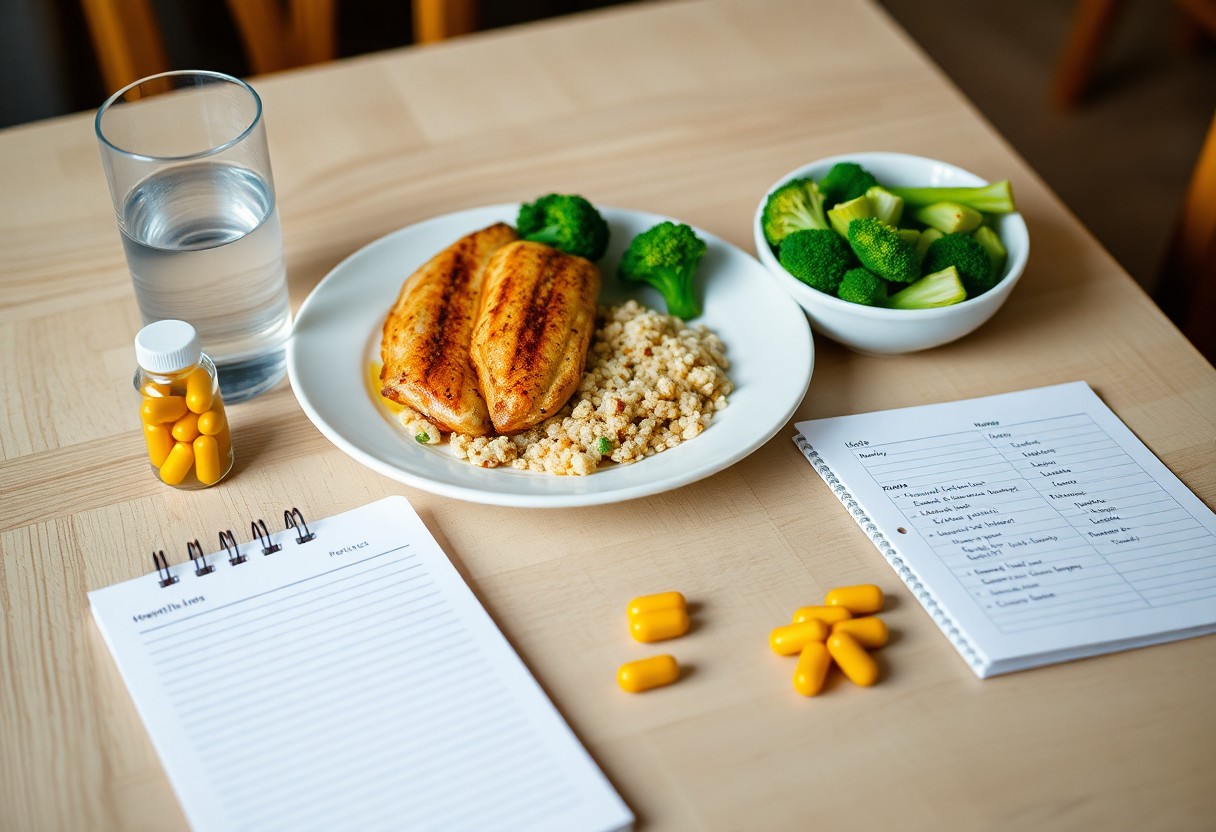
Table of Contents
Key Takeaways:
- Weight loss pills can enhance the effects of a balanced diet by boosting metabolism or reducing appetite.
- Healthy meal planning provides nutrient-dense options that support overall well-being during weight loss.
- Consulting a healthcare professional before starting any weight loss pill is important for safety and effectiveness.
- Incorporating regular physical activity complements the benefits of weight loss pills and meal planning.
- Monitoring progress and adjusting meal plans are necessary for achieving sustainable weight loss results.
The Science of Weight Loss Pills and Their Role
Mechanisms Behind Weight Loss Medications
Weight loss pills operate through various mechanisms that can aid in your weight management journey. Some medications focus on appetite suppression, which can make it easier for you to adhere to a calorie deficit. Others work by blocking fat absorption, reducing the amount of fat your body takes in from food. For instance, orlistat, a commonly prescribed medication, inhibits the enzyme lipase, leading to approximately 30% less dietary fat absorption.
Another class of weight loss pills utilizes stimulants or compounds that enhance metabolic rate. These medications can increase the speed at which your body burns calories, making it easier to lose weight. By understanding these mechanisms, you can better appreciate how weight loss pills may complement your healthy meal planning efforts.
Evaluating Efficacy: What the Research Shows
Research reveals that weight loss medications can lead to significant results when combined with lifestyle changes. Studies indicate that individuals on prescription weight loss drugs may shed an average of 5-10% of their body weight over a period of six months to a year. For example, in a clinical trial of the appetite suppressant phentermine-topiramate, participants lost an average of 8.6% of their total body weight after one year, underscoring the potential benefits of coupling medication with dietary modifications.
Your results may vary based on factors such as adherence to the medication, diet, and exercise routines. Long-term studies also emphasize the need for ongoing support and counseling to maximize efficacy. The combination of pharmaceutical intervention and personalized meal planning not only enhances weight loss outcomes but also supports sustainable lifestyle changes.
Longitudinal studies tracking patients using weight loss medications have produced promising results, showing that those who engage in regular follow-ups and adhere to a structured meal plan, alongside their medication, maintained a higher percentage of weight loss over time. This consistent approach emphasizes a nuanced understanding of weight loss, suggesting that while pills can facilitate progress, the real success often lies in a comprehensive lifestyle strategy.
Crafting a Balanced Meal Plan for Weight Management
Nutritional Components: Building Blocks of Healthy Eating
Your meal plan should consist of a variety of food groups to ensure you’re meeting your nutritional needs. Aim for a balance of lean proteins, whole grains, and healthy fats. Incorporating foods rich in fiber like fruits and vegetables can help keep you full longer while aiding digestion. Consider utilizing resources like this guide on What to Eat on a GLP-1 Diet, According to a Dietitian to learn how to optimize your meals further.
Integrating various colors and textures not only adds visual appeal but also provides a wider array of nutrients. For instance, pairing a source of protein with complex carbohydrates, such as grilled chicken with quinoa and a side of steamed broccoli, encourages sustained energy levels, which is vital for effective weight management.
Meal Timing and Frequency: Optimizing Energy Levels
Establishing a consistent meal schedule can enhance your metabolism and energy throughout the day. Distributing your meals into smaller, more frequent servings—such as five to six meals a day—can help maintain stable blood sugar levels. Instead of allowing long gaps between meals, which often leads to overeating, consuming a well-timed snack like a handful of nuts or Greek yogurt can keep hunger at bay.
Aligning your meals with your activity levels is equally beneficial. Eating a nutrient-dense meal before a workout can fuel your performance, while post-exercise meals rich in protein aid in muscle recovery. Pay attention to your body’s hunger signals and adjust your meal frequency to match your lifestyle and energy requirements.
Meal timing also impacts your metabolic health; eating at regular intervals can prevent the severe dips in energy that often trigger unhealthy cravings. Maintaining a schedule encourages you to make more mindful choices, ultimately supporting your weight loss goals.

Synchronizing Medication with Dietary Choices
Timing Medications with Meals for Maximum Effect
Synchronizing the timing of your weight loss medication with your meals can significantly enhance its effectiveness. For instance, if you’re using medications like Wegovy, taking it on a schedule that aligns with your meal times can help maximize the drug’s appetite-suppressing properties. The absorption rate of these medications can vary depending on what and when you eat, so consuming your medication at the same time each day, preferably just before or at the start of a meal, may lead to improved results. Explore 5 ways to increase weight loss on Wegovy for more tailored advice.
Establishing a routine not only helps your body adapt to the medication but can also lead to a more mindful approach to eating. If you develop a consistent schedule, it can become easier to stick to your meal plan while minimizing urges to snack between meals. Monitor how your body reacts during this adjustment phase to ensure optimal benefits.
Common Dietary Interactions to Avoid
Several dietary choices can interact negatively with weight loss medications, potentially diminishing their efficacy or causing adverse side effects. High-fat meals often delay gastric emptying, which can interfere with medications that are designed to work best on an empty stomach or around meal times. Additionally, consuming substantial amounts of fiber can alter the absorption of some weight-loss medications, rendering them less effective. Being aware of these interactions can help you make strategic food choices that align more closely with your treatment goals.
Stay vigilant about common substances that may require caution as well. Caffeine is known to increase the metabolism but can also heighten anxiety, particularly when combined with certain medications. Alcohol consumption poses another concern; it can exacerbate side effects and affect your dietary adherence. Prioritize a balanced diet and consider consulting a healthcare professional to navigate these interactions effectively.
Establishing Sustainable Lifestyle Changes
Integrating Healthy Habits Beyond Pills and Meal Plans
Focusing solely on weight loss pills and meal plans can lead to short-term results but often neglects the broader spectrum of healthy living. Developing a routine that incorporates regular physical activity is important. Aim for at least 150 minutes of moderate exercise each week. Activities like brisk walking, cycling, or swimming not only boost your mood but also enhance your metabolism. Consider joining a fitness class or finding a workout buddy to keep you motivated and accountable.
Incorporating mindfulness practices such as meditation or yoga can further support your weight loss journey. These practices help in managing stress, which can significantly impact your eating habits and overall health. Exploring new hobbies that keep you active, like dancing or hiking, adds variety to your routine. Ultimately, focusing on a holistic approach that includes both physical activity and mental well-being will help you maintain your progress long after you’ve achieved your weight loss goals.
Setting Realistic Goals for Long-Term Success
Establishing achievable goals is key to sustaining weight loss and overall health. Instead of aiming for drastic weight loss, target losing 1 to 2 pounds per week. This approach is not only attainable but more likely to result in lasting change. Create specific, measurable objectives such as incorporating three servings of vegetables into your daily diet or walking 10,000 steps each day. Celebrate these small victories to keep your motivation high and reinforce positive behaviors.
Consistency is paramount in your journey to health. By breaking larger goals into smaller, manageable steps, you maintain focus and give yourself the opportunity to adjust strategies as needed. Tracking your progress in a journal or using digital tools can further enhance your accountability. With each small success, you build confidence in your ability to make lasting lifestyle changes, paving the way to a healthier future.
Long-term success comes from a mindset that embraces gradual, sustainable changes rather than quick fixes. Recognizing that setbacks may occur helps you to stay resilient. Instead of viewing them as failures, treat them as learning experiences. Evaluate what led to those moments and adjust your strategies accordingly. This reflective practice reinforces your commitment and helps you build a stronger foundation for maintaining both your weight and your health over time.
Expert Opinions: Perspectives on Combined Approaches
Insights from Nutritionists on Medication Usage
Nutritionists emphasize the significance of integrating weight loss pills with a comprehensive diet strategy. They recommend a balanced approach that includes whole foods, emphasizing the consumption of fruits, vegetables, lean proteins, and healthy fats. For instance, utilizing a Simple 7-Day GLP-1-Friendly Meal Plan for Beginners, can help you align your dietary choices with the effects of weight loss medications. This integration not only maximizes the pills’ effectiveness but also fosters sustainable habits that contribute to long-term health benefits.
Your meals should focus on nutrient density to support the body’s needs while on medication. Nutritionists advise consuming complex carbohydrates and incorporating sufficient fiber to enhance satiety. Pairing this with medication may lead to enhanced weight loss results while mitigating potential side effects, creating a holistic approach to wellness.
What Healthcare Providers Recommend for Best Practices
Healthcare providers advocate for regular monitoring and communication while using weight loss medications. These professionals suggest scheduling frequent check-ins to assess your progress and make necessary adjustments to your meal plans and medication dosages. Engaging with both your doctor and a registered dietitian can provide you with tailored advice that addresses your unique weight loss journey.
Practicing mindful eating and setting realistic goals are also recommended. Providers note that combining a structured meal plan with your medication enhances accountability and provides a clear framework for achieving your weight loss objectives. Involvement in supportive communities or programs may further aid motivation and adherence to your health intentions. Making informed decisions and prioritizing regular healthcare consultations ensures that your approach remains safe, effective, and aligned with your overall wellness strategy.
Summing up
Taking this into account, combining weight loss pills with healthy meal planning can significantly enhance your weight loss journey. Weight loss pills may offer support in reducing appetite or boosting metabolism, but their effectiveness is maximized when complemented with a well-structured meal plan that prioritizes nutrition. By incorporating whole foods, balanced macronutrients, and mindful eating practices, you can create a sustainable approach to losing weight while promoting overall health.
Your commitment to healthy meal planning not only supports the benefits of weight loss pills but also empowers you to develop long-term habits that foster better choices. Focus on creating a diverse menu that includes plenty of fruits, vegetables, lean proteins, and whole grains. This strategic combination will not only help you achieve your weight loss goals but also improve your energy levels, mood, and overall well-being, ensuring a balanced lifestyle.
FAQ
Q: Can weight loss pills help enhance my meal planning efforts?
A: Yes, weight loss pills may aid in appetite suppression and increased metabolism, which can complement a structured meal plan by making it easier to stick to calorie goals.
Q: Is it safe to use weight loss pills while following a specific diet?
A: Safety depends on the type of weight loss pill and your health conditions. Always consult a healthcare provider before starting any weight loss medication alongside a diet plan.
Q: How should I integrate weight loss pills with my daily meals?
A: Take weight loss pills as directed, ideally before meals, to help control appetite. Plan meals that are nutrient-dense to ensure balanced nutrition while following the pill’s guidelines.
Q: Do weight loss pills replace the need for healthy eating?
A: No, weight loss pills are not a substitute for a healthy diet. They are most effective when used in conjunction with a balanced meal plan aimed at achieving a caloric deficit.
Q: Can I expect rapid weight loss when combining pills with meal planning?
A: While combining weight loss pills and healthy meal planning may lead to quicker results, individual outcomes vary based on metabolism, adherence to the plan, and lifestyle factors.