
What Do Diet Pill Ingredients Mean? A Simple but Powerful Guide
Is the secret to safe and effective weight management hidden in the small print on your supplement bottle?
The marketplace for dietary supplements is vast and often overwhelming. Countless products promise rapid weight loss and miraculous results. Cutting through this noise requires understanding what you’re actually putting into your body.
This comprehensive guide is your key to decoding complex terminology on labels. It empowers you to move from confusion to clarity, making informed choices for your health and wellness journey.
Navigating this landscape is crucial because the dietary supplement industry operates under a different regulatory framework than prescription drugs. This places more responsibility on you, the consumer, to evaluate products carefully.
We will provide clear answers about ingredient panels, dosage information, safety certifications, and how to verify a product’s contents. This knowledge is your best defense against misleading claims.
Whether you’re considering supplements for the first time or are a seasoned user, this resource will transform you into an educated, confident consumer. Always verify the latest label details, a practice underscored in our medical disclaimer.
Key Takeaways
- Understanding supplement labels is essential for safe and effective weight management.
- The dietary supplement industry has different regulations than pharmaceutical drugs.
- Informed consumers must actively evaluate product claims and ingredient lists.
- Recognizing quality certifications and potential red flags on labels protects your health.
- This guide provides the tools to decode complex terminology and make confident choices.
- Always consult official product warnings and seek professional guidance when needed.
Understanding Diet Pill Ingredient Labels
Navigating a dietary supplement label requires more than a glance. It demands an understanding of regulated and unregulated terminology.
Many common terms on packaging lack strict definitions from authorities. This can lead to confusion about a product’s true content.
Decoding Common Label Claims like “Natural” and “No Added Sugar”
The term “Natural” is frequently seen. According to longstanding FDA policy, it means nothing artificial was added that wouldn’t normally be in that food.
This policy does not address production methods like pesticide use. It also does not imply any specific nutritional benefit.
Seeing “No Added Sugar” on a label is helpful. It only means the maker didn’t include extra sugars during the manufacturing process.
Naturally occurring sugars may still be present. You must check the total sugar content for the full picture.
What Terms Like “Soy-Free” and “Dairy-Free” Really Mean
Claims such as “Soy-Free” assist people with food sensitivities. While these specific terms aren’t formally regulated, the Food Allergen Labeling and Consumer Protection Act of 2004 requires major allergen disclosure.
This law provides a baseline of protection for consumers. You can find more details in the official FDA labeling guide.
Many labels feature structure/function claims. These describe what a nutrient may do in the body.
They are different from medicines, as supplements cannot claim to treat diseases. A mandatory disclaimer states the FDA has not evaluated the claim.
| Claim | Typical Consumer Understanding | Regulatory Reality / Key Detail |
|---|---|---|
| Natural | Pure, unprocessed, and healthy. | No formal FDA definition. Policy focuses on absence of artificial additives, not production methods or health benefits. |
| No Added Sugar | Contains zero sugar. | Only means no sugars were added during processing. Naturally occurring sugars are not accounted for. |
| Soy-Free / Dairy-Free | Absolutely free of these allergens. | Terms themselves are not regulated, but the 2004 Food Allergen Act mandates disclosure of major allergens on labels. |
| Structure/Function Claim | Proven health benefit. | Must include disclaimer: “This statement has not been evaluated by the FDA. This product is not intended to diagnose, treat, cure, or prevent any disease.” |
Verification through third-party organizations adds assurance. For terms like “Vegan,” a certification confirms no animal substances are used.
Learning to interpret this information helps you make smarter choices. For ongoing guidance, consider trusted resources dedicated to consumer education.
What do diet pill ingredients mean
Standardization turns a simple list of components into a reliable promise of potency for every capsule. The Supplement Facts panel is the primary source for this critical data.
This panel functions like a nutrition label for your weight management support. It lists the amount of each dietary ingredient per serving.
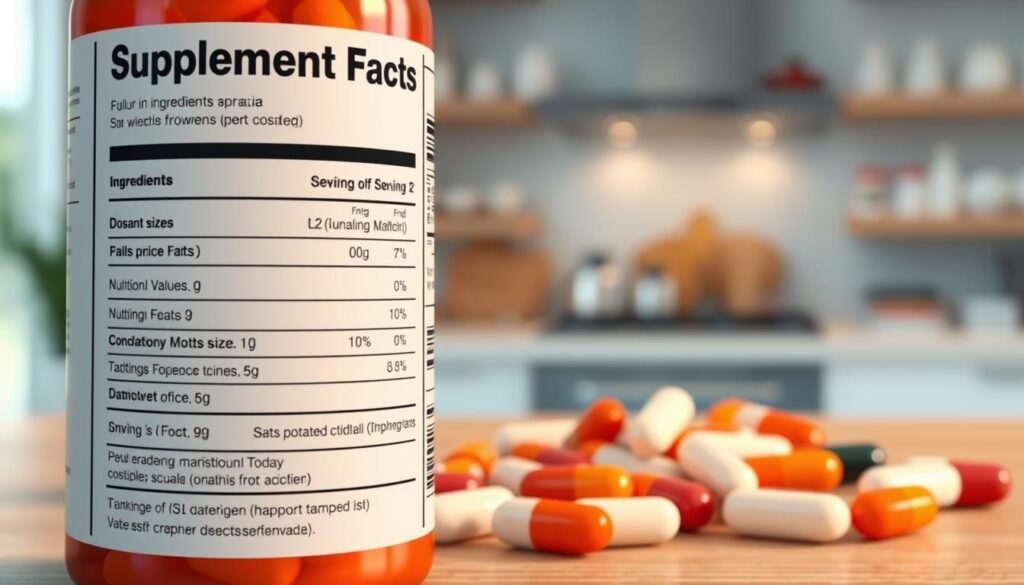
Interpreting Supplement Facts and Dosage Information
Dosage details are vital because the same component can have vastly different effects. What works in a clinical study may not match your product’s contents.
Pharmacist Simon Yeung notes that natural products vary from batch to batch. Time and season can affect an herb’s strength.
Purchasing standardized supplements provides assurance. Standardization means a specific chemical marker’s amount is listed on the label.
One company might sell ground ginseng root. Another may offer a potent extract of its active constituents, ginsenosides.
| Ingredient Type | Description | Potency Consistency | Label Clarity |
|---|---|---|---|
| Whole Herb Powder | Ground plant material with all compounds. | Low; varies with crop and processing. | Often lists only total herb weight. |
| Simple Extract | Concentrated using a solvent process. | Moderate; more potent but ratio can shift. | May state “extract” without active compound details. |
| Standardized Extract | Guaranteed amount of a key active marker. | High; tested for consistent potency per batch. | Specifies percentage or weight of active compound (e.g., 50% EGCG). |
For green tea extract, look for the amount of EGCG or caffeine. This tells you about the concentration from the extraction process.
Understanding this is like knowing the caffeine in your coffee. Without it, you cannot predict effects on energy or fat metabolism.
Checking for specific active compound percentages helps you compare products. It indicates quality control and meaningful formula design.
How to Verify Product Authenticity and Safety
Third-party verification marks on a bottle offer a layer of trust beyond the manufacturer’s claims. The regulatory framework for these products is distinct from that for pharmaceutical drugs.
Memorial Sloan Kettering’s Simon Yeung notes the FDA provides no guarantee of efficacy or labeling accuracy. This makes independent verification crucial for consumer protection.

Identifying USP and ConsumerLab Certifications
The USP Verification Program is a leading seal of quality. It confirms ingredient strength and screens for contaminants like heavy metals.
ConsumerLab.com independently tests and compares brands. This helps you read dietary supplement labels like a and choose reliable products.
These certifications verify purity and contents. They do not, however, prove a product’s effectiveness for weight loss.
| Verification Source | Primary Focus | Consumer Benefit |
|---|---|---|
| USP Dietary Supplement Verification | Ingredient potency, purity, and manufacturing quality. | Assurance the product contains what’s listed and is free from specified contaminants. |
| ConsumerLab.com Testing | Comparative analysis of multiple brands within a category. | Side-by-side quality ratings to identify which brands meet their label claims. |
| Published Clinical Trials | Scientific evaluation of efficacy and safety in humans. | Evidence that the specific ingredient or formula may produce the desired health effects. |
Assessing Clinical Trials and FDA Guidelines
Clinical trials provide the highest standard of evidence. Look for ingredients studied in well-designed human research.
The FDA’s role is primarily post-market. Since 2010, it has enhanced systems to track complaints and pull unsafe items from shelves.
Domestically manufactured items generally have more transparent controls. Purchasing from reputable retailers adds a safety layer over unknown websites.
Consult a healthcare provider before starting any regimen, especially if taking other medicines. For detailed ingredient guides, explore trusted educational resources.
Navigating Consumer Guidance and Lifestyle Choices
Achieving sustainable weight management is a holistic process where supplements play only a supporting role. Smart choices blend professional healthcare advice with your daily habits.
This integrated approach protects your health and improves long-term results.
Leveraging Expert Tips and Healthcare Advice
Always talk to your doctor or pharmacist before starting any new regimen. This is crucial because some supplements can interact with prescription medicines.
They can also affect existing conditions in your body. Cultural context matters too.
For example, herbs like ginger are everyday foods in many Asian cultures. In the U.S., they are sold as dietary aids.

Understanding the Impact of Ingredients on Weight Loss and Health
Specific components may boost energy or curb appetite. They are not magic solutions for weight loss.
Real change requires eating fewer calories and moving more. Vitamins support metabolism, but mega-doses do not enhance loss.
Report any bad effects to the FDA MedWatch program. This helps keep other people safe.
| Lifestyle Factor | Primary Role | Typical Supplement Support |
|---|---|---|
| Balanced Nutrition | Foundation for calorie control and nutrient intake. | May fill specific gaps (e.g., fiber, vitamins). |
| Regular Physical Activity | Burns calories and builds metabolism. | Some ingredients may support energy or recovery. |
| Adequate Sleep & Stress Management | Regulates hormones linked to hunger and fat storage. | Adaptogenic herbs might promote balance. |
| Ongoing Healthcare Consultation | Ensures safety and personalizes the approach. | Professional guidance on appropriate product use. |
For comprehensive information on safe use, refer to the official consumer guide. A holistic lifestyle is the true path to a healthier weight.
Conclusion
Concluding your research means recognizing that supplements are just one piece of a much larger health puzzle. This guide aimed to provide the tools for confident evaluation. Knowledge transforms you from a passive consumer into an empowered individual.
Quality products can offer support, but they are never a substitute. Sustainable weight loss relies on foundational lifestyle changes as its true cornerstone. Managing calories and increasing activity deliver lasting results.
Continue consulting your healthcare provider about any new regimen. Prioritize your long-term health and safety above all marketing promises. Your informed choices are the greatest tool you possess.