
Diet Pill Ingredient Guide: Safe and Effective Ingredients Explained
What if the very products promising to help you lose weight could actually pose hidden risks to your health?
Navigating the world of over-the-counter aids can be confusing. Unlike prescription medicines or food, the FDA does not review dietary supplements for safety or efficacy before they hit the. This means manufacturers can sell these items without pre-approval.
Scientific research often gives many weight loss supplements mixed reviews. For some ingredients, there simply isn’t enough solid evidence to support the bold claims on the label.
More alarmingly, the FDA has found some products contain prescription drugs not listed in the ingredients. This undisclosed content can be dangerous. Pregnant or nursing women should never take these remedies.
This resource aims to cut through the noise. We examine common components, their science, and potential side effects. Consulting with a doctor before starting any new regimen is a critical step for your safety.
Our goal is to provide clear, evidence-based information. For a deeper look at understanding common ingredients before buying, explore our detailed analyses.
Key Takeaways
- The FDA does not approve supplements for safety or effectiveness before they are sold.
- Scientific evidence supporting many popular ingredients is often limited or mixed.
- Some products have been found to contain hidden, potentially dangerous prescription drugs.
- It is essential to consult a healthcare professional before using any weight management product.
- Pregnant or nursing women should avoid all diet medicines and herbal remedies.
- Informed decisions require understanding both the potential benefits and the proven risks.
diet pill ingredient guide: Unpacking Safe and Effective Ingredients
A closer look at popular weight management formulas reveals a common set of components. You will often find names like African mango, green tea extract, and chromium listed.
Scientific support for these elements is frequently weak. Strong proof that they help people lose weight is usually lacking.
Defining Key Ingredients and Their Roles
Each component in a blend claims a specific job. Some aim to influence hormones related to hunger. Others try to change how your system processes nutrients.
Their primary roles are theoretical. Manufacturers combine them hoping for a combined effect.
Understanding How Supplements Aid in Weight Loss
These products claim to work through several key actions on the body. The main proposed mechanisms are:
- Appetite Control: Some ingredients may promote a feeling of fullness. This can help reduce overall food intake.
- Fat Blockade: Certain substances might bind to dietary fat. The goal is to stop its absorption during digestion.
- Metabolism Boost: A few components claim to increase resting energy expenditure. This means burning more calories at rest.
- Energy Use: Others aim to alter how cells use stored energy. They try to shift the body toward using fat for fuel.
Most formulas use multiple ingredients together. This approach targets different pathways at once. However, a proposed mechanism does not guarantee real-world results for every person.
Exploring Core Ingredients and Their Weight Loss Effects
A deep dive into supplement labels uncovers a core set of plant-based and mineral ingredients. These components are frequently marketed for their supposed roles in managing body weight.
Understanding the science behind each element is crucial for making an informed choice.
Herbal Extracts and Natural Fibers: Chitosan, Green Tea, and Guar Gum
Chitosan is derived from shellfish like crabs and shrimp. It claims to block dietary fats and cholesterol.
Major research groups state there is not enough reliable proof for weight loss. People with shellfish allergies must avoid it.
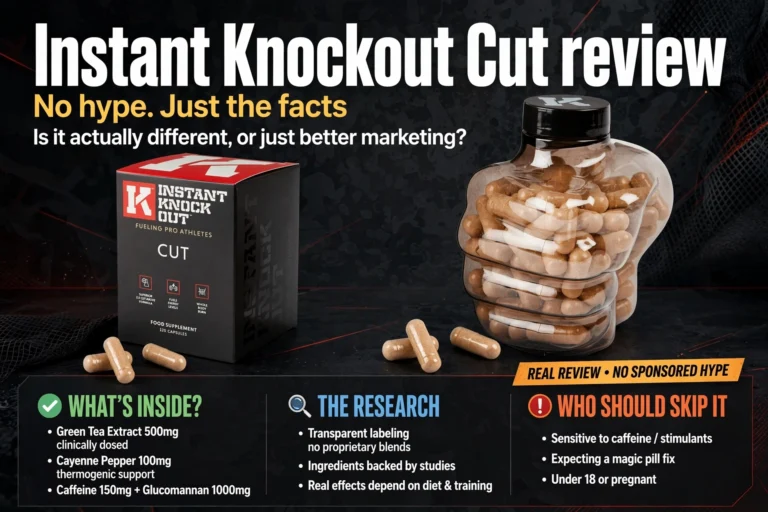
Green tea extract is popular for its alleged ability to curb appetite. It is said to increase calories burned and enhance fat metabolism.
Current evidence remains insufficient to confirm these effects. Its caffeine can cause insomnia, nervousness, and elevated blood pressure.
Guar gum comes from a plant seed. Like other fibers, it may prevent fat absorption and promote fullness.
Most research concludes it is not effective for weight loss. Common side effects include gas and diarrhea.

Minerals and Fat Metabolism: Chromium and CLA Benefits
Chromium is a mineral involved in insulin function. It helps store carbohydrates, fats, and proteins.
A review of 24 studies found no significant benefits for reducing body weight. It is rated as “possibly ineffective.”
Conjugated linoleic acid (CLA) comes from linoleic acid. Some studies suggest it may help curb body fat and boost muscle.
Other research shows it doesn’t aid weight loss. The evidence is mixed, leading to a “possibly effective” rating.
Another fiber, glucomannan, claims to create fullness and block fat from food. Scientific support is also insufficient.
| Ingredient | Source/Type | Primary Claim | Evidence Status | Key Consideration |
|---|---|---|---|---|
| Chitosan | Shellfish (crab, shrimp) | Blocks fat & cholesterol absorption | Not proven effective | Avoid with shellfish allergies |
| Green Tea Extract | Camellia sinensis leaf | Boosts metabolism & curbs appetite | Insufficient evidence | May cause insomnia, high blood pressure |
| Guar Gum | Guar plant seed | Promotes fullness, blocks fats | Possibly ineffective | Can cause digestive upset |
| Chromium | Essential mineral | Enhances insulin, aids metabolism | Possibly ineffective | No significant weight loss benefit found |
| CLA | Fatty acid | Reduces body fat, increases muscle | Possibly effective | Research findings are inconsistent |
The varied evidence for these substances highlights the importance of professional advice. Always consult a doctor and review the medical disclaimer before use.
Evaluating Scientific Evidence and FDA Guidelines
Enforcement actions by the FDA highlight a critical gap between marketing claims and medical evidence. Federal reviews often find minimal proof of benefit alongside serious health risks.
Regulatory Actions and FDA Warnings on Weight Loss Supplements
The FDA has banned several substances. Ephedra, or ma huang, was removed after links to heart attacks and strokes.
Its active stimulant, ephedrine, acts like amphetamines. The agency found risks far outweighed any short-term benefit.
Other banned stimulant compounds include BMPEA and DMBA. These can cause severe heart and nervous system problems.
Some products contain hidden prescription drugs. These can be blood pressure medicines, antidepressants, or diuretics.

Clinical Study Insights and Evidence-Based Recommendations
Clinical studies provide the foundation for safe use. Organizations like Natural Medicines rate ingredients based on research.
Their independent ratings are more reliable than ads. Always check an organization’s evidence-based review system.
Be very careful buying from any website making big promises. The lack of pre-market review means unsafe items can be sold.
Consult your doctor before trying any new regimen. For a structured approach, you can start here with professional guidance.
| Ingredient | Also Known As | Primary Health Risks | FDA Status |
|---|---|---|---|
| Ephedra / Ephedrine | Ma Huang | Heart attack, stroke, seizure | Banned in supplements |
| BMPEA | Acacia rigidula extract | Cardiovascular, nervous system issues | Warning issued |
| DMBA | AMP Citrate | Elevated heart rate, blood pressure | Warning issued |
| Tiratricol | TRIAC | Thyroid hormone disruption | Warning issued |
The table shows why evidence must guide choices. Your long-term health depends on informed decisions.
Identifying Risks and Managing Side Effects in Weight Loss Supplements>
The pursuit of a slimmer figure can inadvertently lead to severe medical complications from certain over-the-counter products. Understanding the full spectrum of potential adverse reactions is crucial for safe use.
Potential Health Concerns and Interactions with Medications
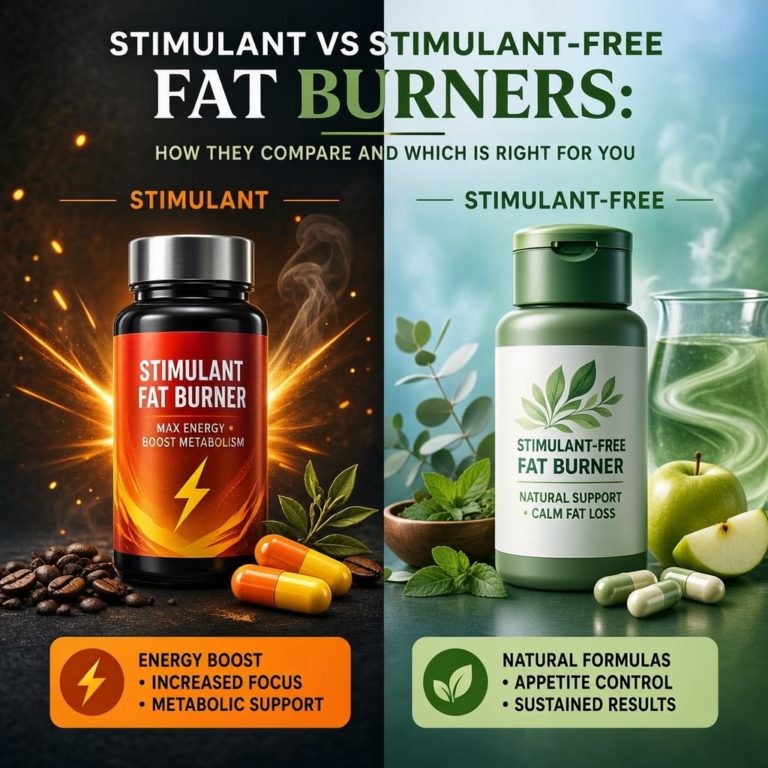
Reactions to these products range from mild digestive upset to life-threatening cardiovascular events. Stimulant ingredients, like those in bitter orange, are particularly concerning.
Bitter orange contains synephrine, which can sharply raise blood pressure and heart rate. This has been linked to serious side effects, including heart attack and stroke.

Pregnant or nursing women should avoid all such remedies. These substances can harm fetal development or pass to an infant.
Always consult your doctor before starting any new regimen. Many supplements dangerously interact with prescription medicines, like MAO inhibitors or blood pressure drugs.
Common digestive issues may include nausea, gas, or diarrhea. Fiber-based items like glucomannan can even cause blockages if not taken with enough water.
Stimulants can also trigger insomnia, nervousness, and headaches. Long-term use of some components might worsen metabolic health, increasing heart problems.
Individual ingredients carry specific risks. Chromium has been associated with kidney damage in some people. CLA may lower good cholesterol over time.
Your personal health status greatly influences risk. Those with existing heart conditions, high blood pressure, or kidney issues face higher danger.
Conclusion
Ultimately, making smart choices about weight management requires looking beyond marketing hype. Most supplements lack strong scientific proof. Their potential side effects often outweigh minor benefits.
Sustainable results come from proven lifestyle changes. Focus on a balanced diet and regular physical activity. These strategies have far stronger research support.
Always consult a healthcare provider before trying any new product. For a structured approach, review our evidence-based methodology. This helps you evaluate options critically.
Your long-term health depends on informed decisions, not quick fixes.