Ingredient Guide for Weight Loss Supplements for Smarter Buying
What if the pills promising to melt away pounds could actually harm your health?
The market is flooded with products making bold claims. Many individuals seek them when traditional methods feel tough.
It is crucial to understand a key fact. The FDA does not review these products for safety or effectiveness before they are sold. This is different from food and drugs.
Some have been found to contain hidden prescription drugs. Scientific evidence for many compounds is mixed or weak.
This creates a confusing landscape for consumers. You must become your own advocate. This resource empowers you to cut through the hype.
It helps you understand what is inside the bottle. You can then make choices that align with your wellness goals. Always read our full medical disclaimer for important safety information.
Key Takeaways
- The FDA does not approve weight loss supplements for safety or efficacy before they reach consumers.
- Some products have been found to contain undisclosed, potentially dangerous prescription ingredients.
- Scientific support for common claims varies widely, with many lacking strong evidence.
- Understanding what is in a product is the first step to making an informed and safe decision.
- This guide is designed to help you decode labels and evaluate marketing claims critically.
- Your health is paramount; knowing the facts protects you from wasting money and supports your well-being.
Overview of Weight Loss Supplements and Buyer Considerations
Making an informed choice in this billion-dollar sector means recognizing the gap between marketing and science.
Countless pills and powders promise rapid fat reduction. Yet their regulatory framework is not the same as for pharmaceutical drugs.
Understanding the Supplement Landscape
This market offers single-ingredient items and complex blends. They may contain herbs, fibers, or stimulants.
Each formula carries different levels of scientific support. Potential interactions with medications are a real concern.
Unlike prescription medicines, these dietary supplements do not need pre-market FDA approval. The burden for safety checks falls on you.
Regulatory Gaps and Scientific Evidence
The FDA does not review these products for safety or effectiveness before they are sold. Action usually occurs only after problems are reported.
Some items have been found to contain hidden prescription drugs. You cannot always trust the label.
Scientific evidence for common claims varies widely. Some studies show modest benefits. Others are poorly designed or biased.
Resources like Consumer Reports offer wise selection tips. They help you navigate this complex field.
| Aspect | Dietary Supplements | Prescription Drugs |
|---|---|---|
| FDA Pre-Market Approval | Not Required | Required |
| Proof of Efficacy Needed | No | Yes, via Clinical Trials |
| Label Transparency Enforcement | After-Market (Reactive) | Pre-Market (Proactive) |
| Standard for Safety Evidence | Manufacturer’s Responsibility | Rigorous FDA Review |
Always talk to your doctor before trying any new product. Your personal health history is crucial.
Deep Dive into Common Weight Loss Ingredients
Decoding the label on a diet pill reveals a list of compounds with unfamiliar names and bold promises. These formulas typically fall into a few categories.
Natural Fibers, Extracts, and Minerals
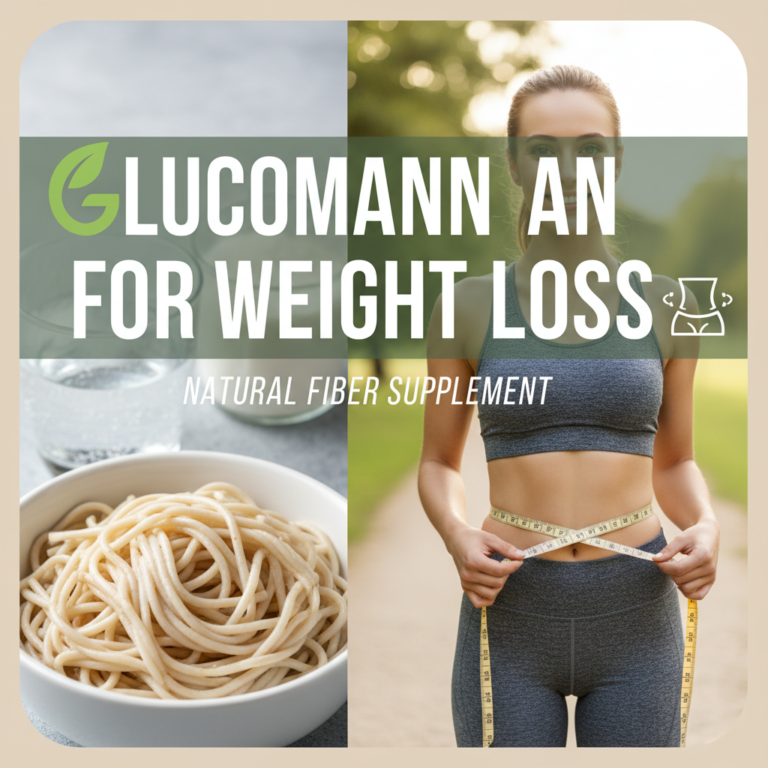
You will often see soluble fibers like glucomannan. Plant extracts and minerals such as chromium are also common. Each has a distinct proposed way of working in your system.
Ingredient Efficacy: What the Research Says
Scientific backing varies wildly. For instance, a review of 24 studies on chromium found no significant benefit for weight reduction.
Conjugated linoleic acid (CLA) shows mixed results. Some research indicates modest body fat reduction, but concerns about long-term metabolic effects exist.
Resources like Natural Medicines often rate these compounds as having “insufficient evidence.”
| Compound | Proposed Mechanism | Research Consensus |
|---|---|---|
| Chitosan | Binds to dietary fat for reduced absorption. | Not shown effective for weight loss. |
| Chromium | Enhances insulin function to manage cravings. | Large review found no significant benefit. |
| CLA | May curb body fat and boost muscle mass. | Mixed evidence; possible long-term risks. |
| Glucomannan | Soluble fiber promotes fullness. | Inconclusive clinical evidence. |
Potential Side Effects and Warnings
Undesirable effects range from mild stomach upset to serious issues. These can include allergic reactions, kidney stress, or changes in cholesterol.
Tablet forms of fibers pose a unique choking hazard. Understanding this spectrum is crucial for safety.
Evaluating the real-world impact of any formula requires a critical look at the evaluation methodology behind the claims.
Ingredient Guide for Weight Loss Supplements
Behind the promises on the bottle, specific natural extracts have garnered significant scientific attention for their roles in energy balance. This part examines the compounds you are most likely to encounter.
Key Ingredient Profiles and Their Mechanisms
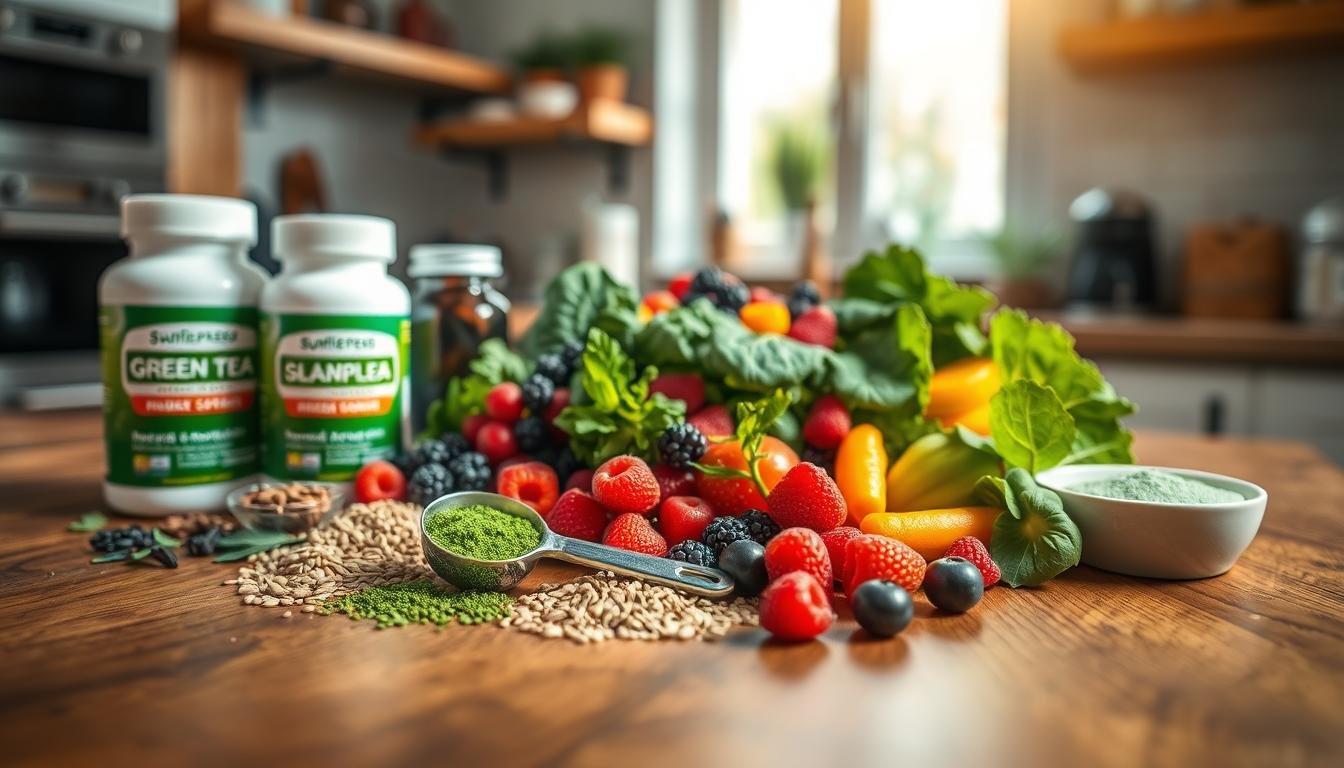
Green tea extract is a top-researched option. It contains polyphenols and a modest amount of caffeine. These work together to increase energy use and fat oxidation.
A 2022 review confirmed it can support small reductions in body mass. Effects are best seen over 12 weeks with diet changes.
Green coffee bean extract comes from unroasted beans. It is rich in chlorogenic acid. This compound may help manage blood sugar and break down fatty acids.
Studies, including one from 2020, note potential for lowering BMI. More research is needed on ideal dosing.
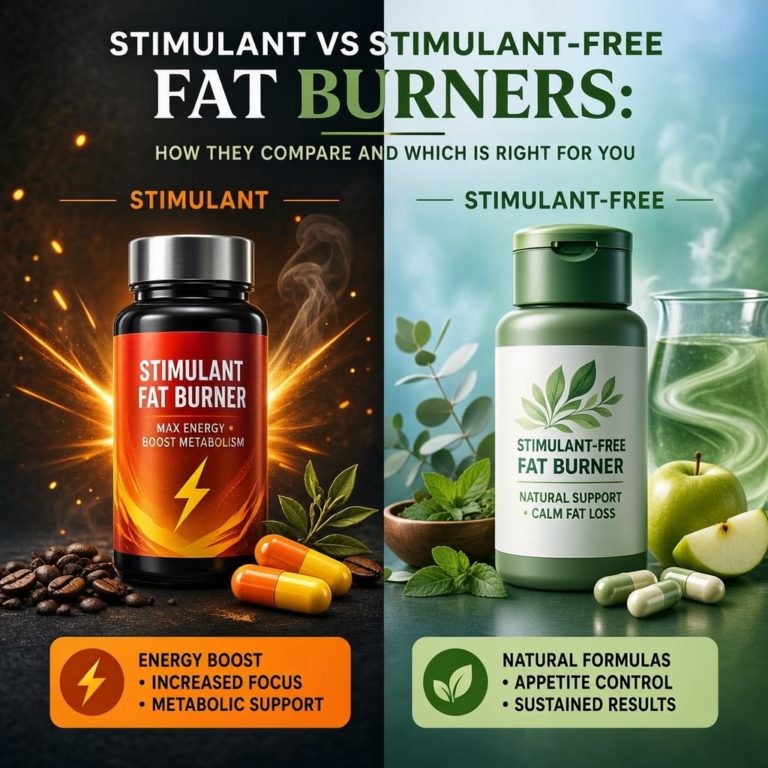
Caffeine is a common stimulant. It boosts thermogenesis and helps release fat for energy during exercise. The NIH states it may aid in managing weight over time.
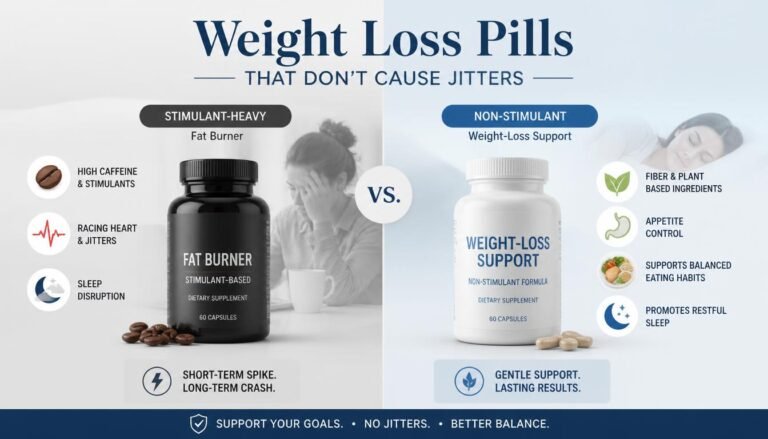
However, high intake can cause jitters, sleep issues, and elevated heart rate. Staying under 500 mg daily is advised.
| Compound | Primary Active Components | Proposed Mechanism | Research Consensus |
|---|---|---|---|
| Green Tea Extract | EGCG (catechin), Caffeine | Increases fat oxidation, boosts metabolism | Modest, positive effect on weight |
| Green Coffee Bean Extract | Chlorogenic Acid, Caffeine | Slows carb absorption, enhances fat breakdown | Shows promise, needs more study |
| Caffeine | Caffeine | Stimulates nervous system, increases calorie burn | Moderate support for weight management |
These components are not magic bullets. Their success hinges on individual factors like diet and exercise. For a broader view on integrating such products, AARP discusses vitamins and lifestyle.
Always consider your personal health status. Getting reliable information is a smart first before using any dietary supplement.
Safety, Side Effects, and FDA Considerations
Beyond the promises on the label lies a landscape of potential risks that demand your attention. Unwanted reactions can range from mild discomfort to severe, life-threatening events.
Your personal health history plays a crucial role in determining risk. People with heart conditions or high blood pressure face greater danger from stimulants.
Recognizing Warning Signs and Adverse Reactions
It is vital to know the warning signs. Chest pain, a rapid heartbeat, or severe headache require immediate medical help.
Yellowing of the skin or eyes can signal liver damage. Persistent nausea or stomach pain are also red flags.
History offers a stark lesson. The FDA banned ephedra after it was linked to heart attacks and strokes. Many products then switched to bitter orange, which may pose similar cardiovascular risks.
Common side effects include insomnia, irritability, and digestive upset. High doses of caffeine can spike blood pressure and cause anxiety.
FDA Regulations and Label Transparency
The FDA does not approve these supplements for safety before they are sold. Enforcement often happens only after problems are reported.
This reactive system means label accuracy is not guaranteed. Some products contain hidden ingredients or incorrect dosages.
You can protect yourself. Report any adverse effects to the FDA’s MedWatch program. Choose products verified by third-party testers like USP or NSF International.
Always consult your doctor before using any new supplement. This step is essential for people managing existing health conditions.
Supplement Research, Evidence, and Consumer Reviews
To make a truly informed decision, one must learn to critically evaluate the studies cited by manufacturers. The landscape is filled with conflicting data and persuasive marketing.
Your ability to separate strong evidence from weak claims is essential.
Interpreting Scientific Studies and Meta-Analyses
Not all research is created equal. The most reliable data comes from large, randomized, placebo-controlled trials.
These studies compare a treatment group against a group given an inactive placebo. This method helps determine if the effect is real.
For example, a 2022 review found a severe limit to reliable research on choline for weight management. Small or short-term studies provide less conclusive proof.

Balancing Clinical Data with Marketing Claims
Marketing often highlights a single positive study. It may ignore contradictory evidence.
An authoritative resource notes that many ingredients have only preliminary support. Probiotics, for instance, showed promise in a 2018 review for reducing body fat.
Yet, more high-quality investigation is often needed. The placebo effect is powerful in this field.
People who believe they are taking an effective pill often see some weight reduction, even with a sugar pill. This is why control groups are vital.
Always check who funded the research. Studies backed by the seller may show more favorable outcomes.
Integrating Dietary Supplements with Healthy Lifestyle Choices
The most effective path to managing your body composition begins with what you put on your plate, not in a pill bottle.
A heart-healthy diet and regular physical activity form the foundation for lasting results. Creating a modest deficit in calories through mindful food choices and increased movement is the proven method.
These products should only be viewed as potential supports within this larger framework. For perspective on the strategic use of dietary supplements, consider them tools, not solutions.
Research on compounds like green tea extract shows benefits are best realized alongside a balanced diet. Many active components, such as choline, are naturally abundant in whole foods like eggs, lean meats, and vegetables.
Getting nutrients from food first is ideal. The CDC emphasizes balancing food and activity for overall health.
Truly sustainable change depends on permanent habit shifts, not temporary aids. Patience with your body is key to a healthy journey to lose weight.
Tips for Smarter Buying Decisions
A prudent approach to these products involves two critical steps: professional consultation and label scrutiny. This strategy protects your health and your wallet.
Consulting Healthcare Providers and Reading Labels
Always speak with your doctor before trying any new pill. This is vital if you manage conditions like diabetes or heart issues.
Compounds like berberine can affect blood sugar and interact with prescriptions. The database Natural Medicines rates many components as having “insufficient evidence” for effective weight loss.
Carefully examine the label on every container. Look for a clear list of ingredients and their amounts. Be wary of “proprietary blends” that hide doses.
Follow these key evaluation steps for any purchase:
- Verify third-party testing. Seals from USP or NSF International offer some purity assurance.
- Research the evidence. Use trusted sources like the NIH Office of Dietary Supplements, not just marketing claims.
- Assess cost versus value. Consider if you could get similar benefits from whole foods like green tea.
- Start low and go slow. Begin with a single-ingredient supplement at a low dose to check your tolerance.
Realistic expectations are crucial. These items might help lose a few extra pounds over months when combined with diet and exercise. They are not magic solutions for rapid change.
Your safety is the priority. Making an informed choice about any dietary product puts you in control.
Conclusion
Your path to better health concludes not with a pill, but with empowered knowledge and sustainable habits. A heart-healthy diet and regular activity are the proven ways to lose weight. Research gives many products mixed reviews.
Talking with your doctor is a critical step before trying any dietary supplement. This is vital for people with existing conditions. It helps ensure safety and sets realistic goals.
The true benefits for effective weight management come from a solid lifestyle foundation. Making informed decisions protects your well-being. It leads to lasting results over quick fixes.