Perimenopause Weight Loss Supplements: Safe or Scam?
If you’re wondering whether weight loss supplements are safe during perimenopause, you’re asking exactly the right question. You stepped on the scale this morning and felt betrayed. You’re eating the same. You’re moving the same. But the number keeps climbing, and the weight parks itself right around your middle. So you started Googling. And the ads found you fast. “Melt menopause belly fat.” “Reset your hormones.” “The one pill doctors don’t want you to know about.” Here’s the honest answer to the question you’re really asking.
Are weight loss supplements safe during perimenopause? For most products in this category, the answer is no — or at best, “it depends, and the risks are real.”
Most weight loss supplements are not safe during perimenopause. They aren’t FDA-tested before sale, so their contents are unverified, and common ingredients like green tea extract and bitter orange are linked to liver damage and heart problems. Safer, proven options include protein, strength training, and medical guidance from your doctor.
Let me show you exactly why, so you can make a smart choice instead of a hopeful one.
Table of Contents
Perimenopause Weight Gain Is Real — And Not Your Fault
Let’s get one thing straight. The weight change is real, and it’s not your fault. Most women gain about 1.5 pounds a year in midlife. That happens even with good diet and exercise habits. The main driver is falling estrogen, which pushes fat toward your belly — the stubborn perimenopause belly fat those ads love to target. You also lose muscle as you age. Less muscle means a slower metabolism. Add in the broken sleep that perimenopause loves to deliver, and your appetite hormones go haywire too.
So the frustration is valid. But being frustrated is exactly what supplement marketers count on. It’s what makes a $60 bottle feel like hope.
Why Weight Loss Supplements Aren’t FDA-Tested
Here’s the fact that changes everything. In the US, supplements are not tested by the FDA before they hit the shelf. A drug has to prove it’s safe and that it works. A supplement doesn’t. The company can sell it first and deal with problems later — if ever.
That gap leads to alarming results in the lab. One study tested 78 bottles of herbal supplements. 80% contained no DNA from the plant on the label. Another study found 59% held extra ingredients that weren’t listed at all. Some were allergens or toxins.
Read that again. Most of the time, the bottle doesn’t contain what it says. Sometimes it contains things it never mentions. You can’t make a safe choice about a product when you don’t know what’s inside it. And with most weight loss supplements marketed for perimenopause, you truly don’t.
Dangerous Ingredients in Perimenopause Fat Burners
Some popular fat burner ingredients aren’t just useless. They can send you to the hospital. These show up again and again in perimenopause “belly fat” blends.
Green Tea Extract and Liver Damage
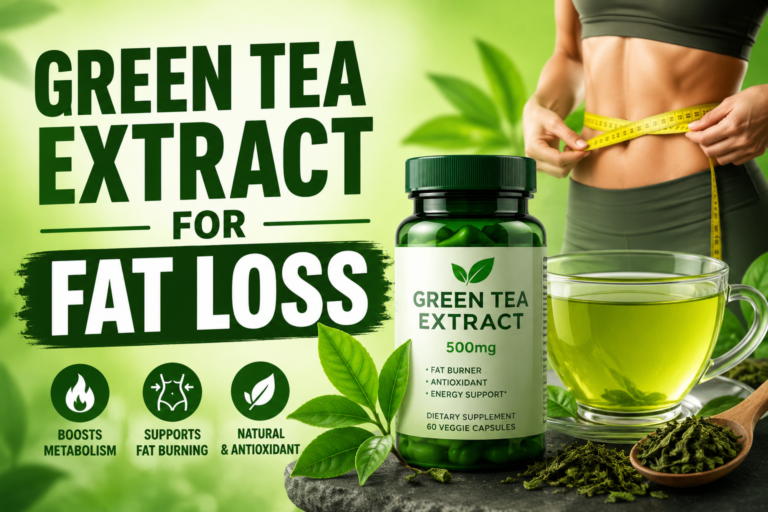
Drinking green tea is fine. The concentrated extract in pills is a different animal. According to the NIH’s LiverTox database, there have been more than 100 reported cases of liver injury linked to green tea extract supplements. Symptoms showed up one to six months after starting. In some cases, the liver failed — and people died. The risk climbs with high doses, with fasting, and with long-term use. And here’s the kicker: between 5% and 15% of Americans carry a gene variant that makes them far more likely to get hurt. You have no way to know if you’re one of them.
Bitter Orange (Synephrine): A Hidden Heart Risk
This one hides behind a “natural” label. But its main ingredient acts a lot like ephedra. Ephedra was a stimulant the FDA banned because it caused heart attacks and strokes. Its cousin does not belong in a perimenopausal woman’s medicine cabinet.
Stimulants and Yohimbine in Fat Burners
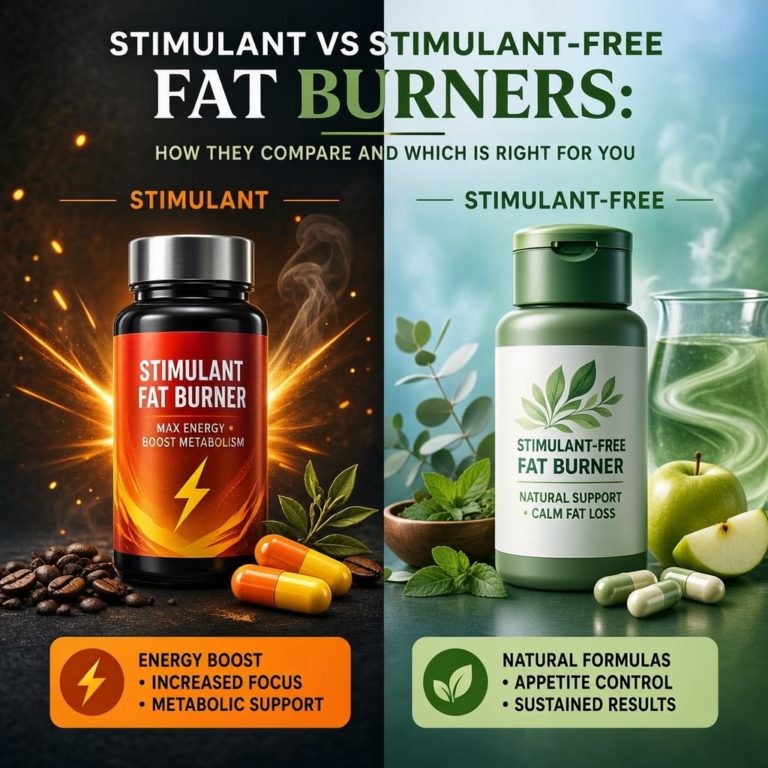
Many fat burners are just caffeine plus other stimulants. Too much caffeine can trigger an irregular heartbeat, anxiety, and worse. Yohimbine, another common add-in, has been tied to liver injury too. Stack these together and the danger multiplies.
Garcinia Cambogia and Hydroxycut Liver Risks
Garcinia cambogia and Hydroxycut-style blends have both been linked to serious liver damage. Hydroxycut was recalled in 2009 after people needed liver transplants. Reformulated versions are still sold today.
Supplement-Induced Liver Damage Is Rising in the US
This isn’t a fringe worry. Liver injury from supplements is climbing in the US as more people take them. About 15.6 million Americans take a supplement with at least one risky botanical. The usual suspects include green tea extract, ashwagandha, garcinia cambogia, red yeast rice, and black cohosh.
And here’s the part that should stop you cold. Most people who take these products do it on their own. Not on a doctor’s advice. Nobody is watching for warning signs.
How Weight Loss Supplements Interact With Your Medications
By your 40s and 50s, you may take other medications. This is where supplements get sneaky. They don’t just act alone. They can crash into your prescriptions.
A few real examples. Green tea extract can make some medicines work less well. It can lower the effect of a common statin (a cholesterol drug) and a heart drug called a beta-blocker.
Blood thinners are a minefield. The FDA warns against mixing aspirin, vitamin E, warfarin, and ginkgo. Together they raise your risk of dangerous bleeding. Herbal blends can also interfere with thyroid meds — and thyroid issues are common in midlife.
Your doctor can only protect you from what they know about. If a supplement isn’t on their radar, they can’t warn you.
Why “Natural” Supplements Aren’t Always Safe
This is the myth the whole industry runs on. The word “natural” sounds gentle. It sounds like it can’t possibly hurt. But snake venom is natural. So is arsenic. Nature is not a safety rating.
A concentrated plant extract in a capsule is a powerful dose. It’s nothing like eating the plant. The marketing blurs that line on purpose, because “natural” lowers your guard right when you should raise it.
Are Any Perimenopause Weight Loss Supplements Worth It?
Fair question. Not every supplement is a scam, and I won’t pretend otherwise. A few ingredients have modest, real (if small) evidence.
Glucomannan is a type of fiber. European regulators say it may help with weight loss — but only in a specific dose, and only when you also cut calories.
Basic nutrients like vitamin D, protein powder, or omega-3s can support your health in midlife. These aren’t fat burners, though.
Notice the pattern. The things with real evidence are unglamorous. They’re food and fiber, not “metabolism-igniting” pills. And even these deserve a conversation with your doctor first. Every safety claim in this guide traces back to the FDA, the NIH, or peer-reviewed research — not to a brand’s marketing copy.
If you do choose a supplement, one rule matters most: pick one that’s third-party certified. Look for a seal like NSF or USP. That means an outside lab confirmed the bottle actually holds what the label claims and is free of contaminants. That single step rules out the worst of the worst.
How to Lose Weight Safely During Perimenopause
Here’s the good news buried under all the marketing. The stuff that works is real, safe, and mostly free.
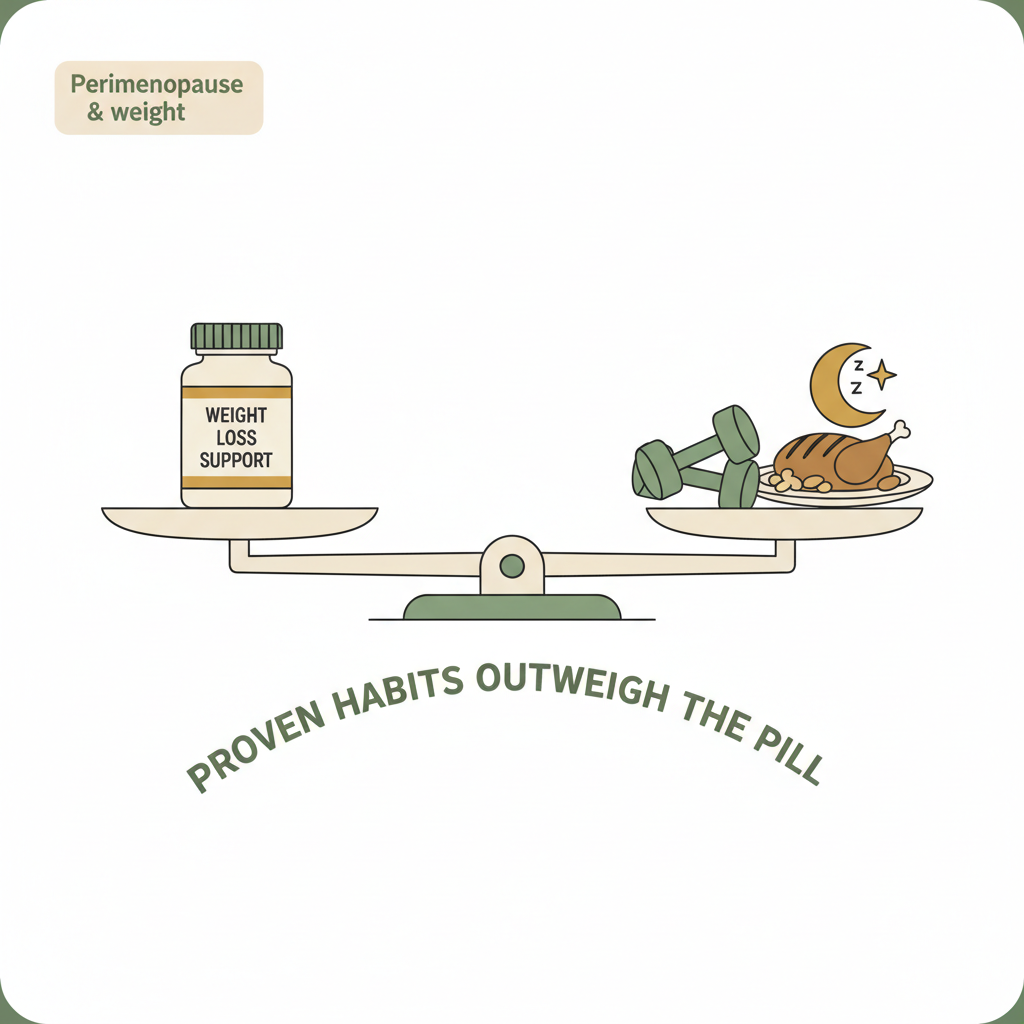
Protein at every meal. It protects your muscle and keeps you full. Muscle is your metabolism’s best friend.
Strength training. Two or three sessions a week rebuilds the muscle you’re losing. This is the closest thing to a real “metabolism boost.”
Sleep. Fix your sleep and your hunger hormones calm down. Broken sleep quietly drives weight gain.
Talk to your doctor about real medical tools. Hormone therapy (HRT) can ease the transition for many women. Newer prescription options like GLP-1 medications are changing the game — under medical supervision. In fact, The Menopause Society points women toward this kind of evidence-based care, not fat-burner pills, for managing midlife weight.
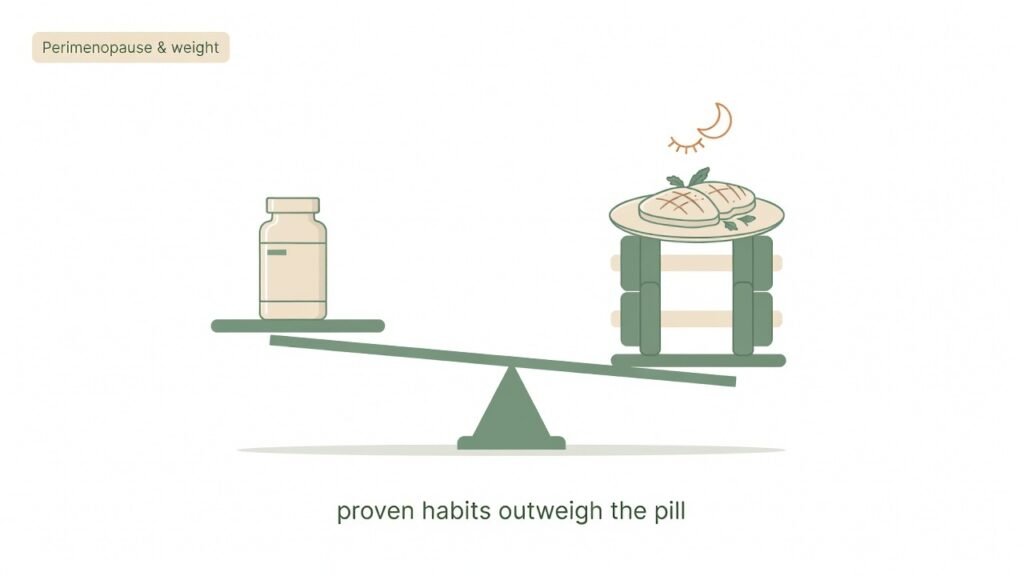
None of these come in a mystery capsule. All of them beat the fat burner in the ad, and they won’t threaten your liver.
Weight Loss Supplement Red Flags: A Quick Checklist
Before you buy anything, run it through this filter. If it trips a single wire, put the bottle down.
- It promises to “melt,” “torch,” or “reset.” Real biology doesn’t work that way.
- It has a stimulant blend or bitter orange. That’s a heart risk.
- It contains green tea extract in high doses. That’s a liver risk.
- It has no third-party seal (NSF or USP). You can’t trust the label.
- You haven’t run it past your doctor or pharmacist. You’re flying blind.
The Bottom Line on Perimenopause Weight Loss Supplements
Here’s what it comes down to. Almost every weight loss supplement sold for perimenopause is either a waste of sixty dollars or a real risk to your liver, your heart, or whatever you’re already taking. And because nobody checks these bottles before they reach the shelf, half the time you’re swallowing a mystery. That’s a terrible trade — especially when the things that actually work (protein, strength training, real sleep, and a straight talk with your doctor about HRT or GLP-1s) are sitting right there, proven and safe.
So do one thing this week. Take the exact bottle you’ve been eyeing, walk it into your doctor’s or pharmacist’s office, and ask them straight: “Is this safe for me, and is there something proven I should try instead?” Five minutes. That’s the entire ask. Then put your money toward something that won’t put your liver at risk.