Tejocote Root FDA Warning: 33 Flagged Supplements
Last updated: September 30, 2026. This article is informational and is not medical advice. See our medical policy.
Tejocote root supplements sold for weight loss may contain yellow oleander, a poisonous plant that acts on the heart, according to the FDA. Since 2023, U.S. regulators have found that some products sold online as tejocote root contain no tejocote at all. The FDA’s newest update, dated September 17, 2026, added three more supplements to its yellow oleander safety alert and brought the list to 33 products. One of them was sold as a fiber supplement, not as tejocote. So if a bottle of tejocote root is sitting in your cabinet, don’t take comfort from its label.
This guide covers what tejocote root is, what the FDA and CDC found, which products are flagged, the symptoms to know, what to do if you own one, and how to shop more safely. Every product, date and status below comes from the FDA’s alert table, current as of this update on September 30, 2026. We’ll update it as the FDA adds products. For the wider picture of what goes into these pills, see our ingredient guides to diet pills.
Table of Contents
Are Tejocote Root Supplements Safe?
No. The FDA has found that some supplements sold as tejocote root contain yellow oleander, a poisonous plant with cardiac glycosides that can cause neurologic, digestive and heart problems that may be fatal. Because labels can’t be trusted, the FDA advises consumers to stop using flagged products, dispose of them, and contact a health care provider. America’s Poison Centers reaches the same conclusion, calling tejocote root an ineffective weight-loss supplement with toxic effects.
Key Takeaways: Tejocote Root and Yellow Oleander Supplements
- The problem is substitution. Products labeled tejocote root or Brazil seed were found to contain yellow oleander instead.
- Yellow oleander can cause neurologic, digestive and heart problems that may be severe or fatal.
- The FDA says to stop using flagged products, dispose of them, and contact a health care provider, even if you haven’t taken them recently.
- Contamination has reached products that don’t mention tejocote, so avoiding the word on the label is no longer enough.
- Call Poison Help at 1-800-222-1222 (U.S.) or 911 for serious symptoms.
What Is Tejocote Root, and Why Is It in Weight Loss Supplements?
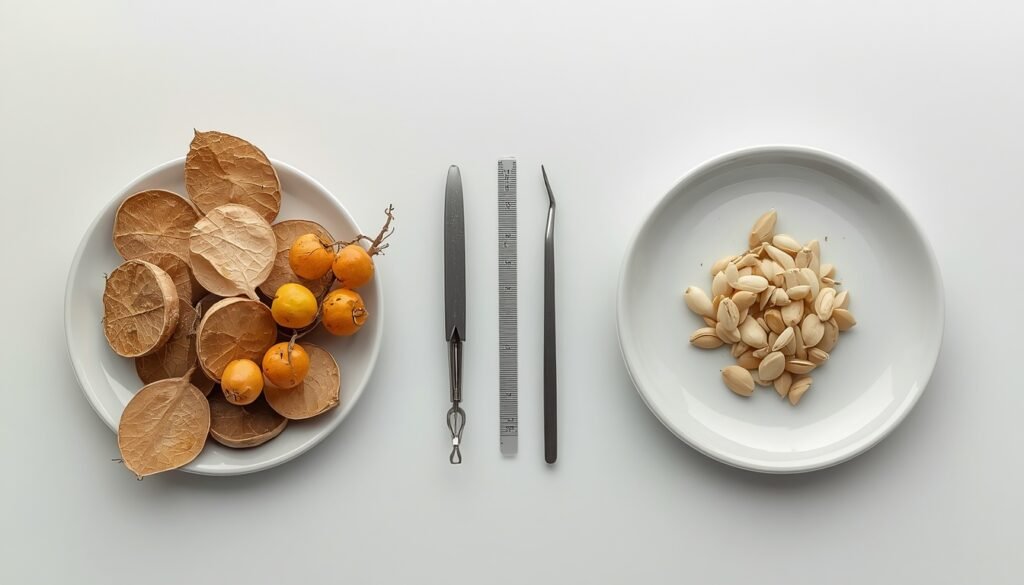
Tejocote (Crataegus mexicana), also called Mexican hawthorn, is a fruit-bearing tree native to Mexico. The fruit is a traditional food. Its root is sold under names such as “raiz de tejocote” or “Brazil seed” and promoted on social media as a slimming aid.
The evidence for tejocote weight loss claims is thin. Trade press reporting noted that researchers found only one recent scientific citation linking the root to weight loss, and that was for a tea with other ingredients. So shoppers paid for a weight loss claim with almost no research behind it. In some cases they got a toxic plant instead of the product on the label.
That gap between marketing and evidence keeps showing up in the diet pill market. Our natural diet pills category covers many of these botanical ingredients, and it’s worth reading claims there with the same skepticism.
Yellow Oleander in Supplements: What the CDC and FDA Found
The story started with a child. In 2022, a 23-month-old who had taken a parent’s tejocote weight-loss product developed nausea, vomiting, a slow heart rate and low blood pressure. That case prompted a CDC report. The CDC’s 2023 MMWR report then tested products bought online. Nine of the ten products labeled as tejocote, or 90 percent, turned out to be yellow oleander, with no sign of tejocote root.
Yellow oleander (Cascabela thevetia, also written Thevetia peruviana) is a different plant that grows in a similar region. It contains cardiac glycosides. These compounds act on the same target as prescription heart drugs such as digoxin. A capsule of unmeasured plant material can therefore be dangerous, especially without medical supervision.
The FDA opened its own investigation after the CDC report. The agency says its surveillance has expanded to other botanical weight-loss products, and that it will keep testing and adding positive results to its table. You can read the full FDA yellow oleander safety alert, which is the source of record and the page to trust over any summary, including this one.
Which Weight Loss Supplements Has the FDA Flagged for Yellow Oleander?
The FDA table is long and growing. Food Safety News reported that the September 17 update brought the list to 33 products. These are the most recent entries. Check the FDA page for the complete list and current recall status.
| Product | Where the FDA found it | Date added | Status noted by FDA |
|---|---|---|---|
| Niwali Tejocote Pieces | eBay | Sept 17, 2026 | Recall announced |
| Niwali Tejocote Capsules | Everymarket.com | Sept 17, 2026 | Recall announced |
| Easy Forte Natural Fiber | Third-party Amazon store | Sept 17, 2026 | Amazon removed listing; FDA recommended a recall |
| Slim Elixir | lamilagrosalab.com | Aug 12, 2026 | Seller unresponsive to FDA |
| D Magic Plus | lamilagrosalab.com | Aug 12, 2026 | Also contains diclofenac |
| B. Magi | lamilagrosalab.com | Aug 12, 2026 | Also contains phenolphthalein |
| Chupa Panza | eBay | Mar 11, 2026 | eBay removed listing |
| SdB Semilla de Brasil Tejocote Root; SdB ELITE | eBay; naturalvida.com | Nov 3, 2025 | No recall commitment |
| SiluetaYa Mexican Tejocote Roots | siluetayausa.com | Nov 3, 2025 | Recall announced |
Earlier entries include products under the Alipotec, ELV, VidaSlim and Tejocotex names, sold through Amazon and other sites. Coverage of the Niwali recall lists the affected items.
Two August 2026 entries carry a second layer of risk. D Magic Plus also contains the drug diclofenac, and B. Magi also contains phenolphthalein, which may raise cancer risk. Our explainer on hidden drug ingredients in weight loss pills is coming soon.
Can a Supplement Contain Yellow Oleander Without Saying Tejocote?
Yes. For a while, the simple advice was to avoid anything labeled tejocote. Easy Forte Natural Fiber broke that rule. It is sold as a fiber supplement rather than tejocote root, yet it still tested positive for yellow oleander. The FDA’s testing has also found the plant in some botanical weight-loss products that never mention tejocote.
A “natural” or “fiber” label is not a safety test. The FDA can’t check every bottle on the market. Shoppers need habits that don’t depend on one ingredient name, and we cover those below. Our diet pill ingredient guide explains what makes a supplement ingredient safe and effective, and how to read a label with that in mind.
Yellow Oleander Poisoning Symptoms: What to Watch For
Symptoms can look like an ordinary stomach bug, and that is part of the danger. Reported yellow oleander poisoning symptoms include nausea, vomiting, dizziness, diarrhea, abdominal pain, and heart changes or an irregular heartbeat. The FDA describes the effects as neurologic, gastrointestinal and cardiovascular, and says they may be severe or even fatal.
If you’re searching for tejocote root side effects, the real risk comes from yellow oleander contamination, not from tejocote itself.
Don’t try to diagnose yourself. If you’ve taken a product on the FDA list, or any botanical weight loss product you can’t verify, and you feel unwell, get help. Chest symptoms, fainting, a very slow or irregular pulse, or severe vomiting call for emergency care. We are not doctors, and this guide can’t replace an evaluation by a clinician or a poison center.

What to Do If You Have a Flagged Tejocote Supplement
The FDA’s guidance is direct, and we’re passing it along without adding to it:
- Stop using the product. The FDA advises consumers to stop using and dispose of the products in its alert.
- Contact your health care provider. The FDA says to do this even if you haven’t used the product recently, so that an evaluation can take place. Bring the bottle or a photo of the label.
- Get emergency help for serious symptoms. Call 911. Poison Help is reachable at 1-800-222-1222, and you can find your local poison center on the same site.
- Report it. Use the FDA’s complaint and adverse event reporting channels to report a bad reaction or a suspicious product.
- Keep it away from children and pets until it’s disposed of. The 2022 case involved a toddler.
Video: What the FDA Tejocote Warning Means for Shoppers
The short video below walks through the FDA’s yellow oleander warning in plain language.
How to Buy Weight Loss Supplements Safely
Nothing here makes a supplement risk-free, but these habits cut your exposure.
- Check the FDA alert before you buy or keep a botanical product. Search the yellow oleander table and the FDA’s tainted product notifications. Both change often.
- Treat “raiz,” “Brazil seed” and “Mexican root” products with extra caution. These names appear repeatedly in the flagged list, and the FDA says other names for tejocote may also be affected.
- Be careful with third-party marketplace sellers. Several flagged products were sold through Amazon, eBay and smaller storefronts, and the FDA says it’s working with those platforms. A high star rating tells you nothing about what’s actually in the capsule.
- Look for independent testing seals. Programs such as USP and NSF test finished products against their labels. A seal doesn’t prove a product works, but it’s a stronger signal than a marketing claim.
- Look up the label in the NIH Dietary Supplement Label Database to see what a product says it contains.
- Be suspicious of dramatic claims. Rapid weight loss from a “natural root” is a red flag, not a selling point. Real weight management is slower, and prescription options exist for people who qualify. Ask a clinician instead of trusting a social media ad. Our page on Mexican diet pills and other imports explains why imported products deserve extra scrutiny.
- Tell your pharmacist or doctor what you take. Supplements can interact with prescriptions, and clinicians can’t account for what they don’t know about.

Safer Weight Management Tools to Try Instead of Diet Pills
Weight management doesn’t have to depend on an unverified capsule. These everyday items support a food-first approach. We may earn a commission if you buy through these links, at no extra cost to you, and we only mention items we consider genuinely relevant.
- Weekly pill organizer: Makes it easy to see exactly what you’re taking each day, and gives your clinician an accurate picture if something goes wrong.
- Digital kitchen scale: Helps with portion awareness, which is a proven, unglamorous part of weight management.
- Meal prep containers: Planning meals ahead reduces the pull of quick-fix products.
- Psyllium husk fiber powder: If you want a fiber supplement, choose a single-ingredient product with an independent testing seal, and check with your clinician first. Confirm any brand is not on the FDA alert list.
As an Amazon Associate we earn from qualifying purchases.
Tejocote Root and Yellow Oleander FAQ
Is tejocote root itself dangerous?
The tejocote plant isn’t the issue. The problem is that products labeled as tejocote root were tested and found to contain yellow oleander instead. Because you can’t tell what’s in a bottle from its label, the FDA advises avoiding the flagged products.
How many supplements are on the FDA yellow oleander list?
Reporting after the September 17, 2026 update put the list at 33 products, per Food Safety News. The FDA says it will add more as testing continues, so check its page for the current table.
Can a supplement contain yellow oleander if it doesn’t say tejocote?
Yes. Easy Forte Natural Fiber isn’t marketed as tejocote and still tested positive. The FDA has said other botanical weight-loss products may also be affected.
What are the symptoms of yellow oleander poisoning?
Reported symptoms include nausea, vomiting, dizziness, diarrhea, abdominal pain and heart rhythm changes. These can be severe. Seek medical help right away if you’ve used a flagged product and feel unwell.
What should I do with a flagged tejocote supplement?
The FDA says to stop using it, dispose of it, and contact a health care provider, even if you haven’t used it recently. For serious symptoms, call 911 or Poison Help at 1-800-222-1222.
Are there safer options than diet pills?
Talk to a doctor or pharmacist about evidence-based options, including FDA-approved medicines if you qualify, along with nutrition and activity changes. Supplements don’t go through the same approval process as medicines, which is why independent testing and clinician advice matter. Read how diet pills work and browse our ingredient guides for more on what’s inside common products.
Check the FDA Yellow Oleander List for Your Tejocote Root Bottle
Tejocote root isn’t worth the gamble, and neither is any capsule you can’t verify. Half the products on this list looked harmless right up until a lab said otherwise. Not listed? That still doesn’t prove it’s clean, so run it past a pharmacist. Listed? Stop taking it and call your doctor today. Either way, do the first step now: pull the bottle out of your cabinet and search the FDA’s yellow oleander table for its exact name.
Have a question or spotted a product we should add? Contact us. Read our disclosure and medical policy.