Foundayo Side Effects: What to Expect at Each Dose and What Helps
Affiliate disclosure: Some links in this article are Amazon affiliate links. If you buy through them, we may earn a small commission at no extra cost to you. Images are AI-generated illustrations created in Canva, not photographs of real patients or products. This guide is educational and does not replace advice from your prescriber or pharmacist.
Roughly two out of three people on the middle and top doses of Foundayo report a stomach complaint at some point, according to the drug’s FDA label. That sounds alarming until you read the next number: only about 6 in 100 people on those doses stopped treatment because of it.
So the useful question about Foundayo side effects isn’t whether you’ll feel something. It’s when, how much, and what you can do in the 30 days after each step up. This guide answers all three with the label’s own data, a realistic timeline, and seven fixes you can start before your next refill.
Foundayo (orforglipron) is Eli Lilly’s once-daily GLP-1 tablet, approved by the FDA in April 2026 for chronic weight management. Unlike the oral semaglutide pill, it can be taken with or without food at any time of day. That convenience is real, but the gut works the same way it does on the injections: the drug slows how fast your stomach empties, and your digestive system needs time to catch up.
Table of Contents
Foundayo side effects by dose: what the label actually shows
Most lists stop at naming the side effects. Fewer show how they change with the dose, which is the detail that tells you what to expect next month. The table below comes from Table 1 of the Foundayo prescribing information, which pooled the placebo-controlled weight-management trials.
| Side effect | Placebo | 5.5 mg | 9 mg | 17.2 mg |
|---|---|---|---|---|
| Nausea | 10% | 26% | 34% | 35% |
| Constipation | 9% | 20% | 27% | 24% |
| Diarrhea | 11% | 21% | 23% | 25% |
| Vomiting | 4% | 13% | 21% | 24% |
| Indigestion | 4% | 12% | 16% | 13% |
| Stomach pain | 7% | 13% | 14% | 14% |
| Bloating | 3% | 7% | 9% | 8% |
| Burping | 1% | 6% | 8% | 8% |
| Acid reflux (GERD) | 2% | 6% | 6% | 7% |
| Fatigue | 4% | 6% | 7% | 9% |
| Hair loss | 2% | 4% | 4% | 5% |
Three patterns stand out once you subtract the placebo column.
- Nausea and vomiting are the dose-sensitive ones. Vomiting rises from 13% at 5.5 mg to 21% at 9 mg, then barely moves at 17.2 mg.
- Constipation peaks in the middle. It reaches 27% at 9 mg and dips slightly at the top dose, so climbing to the highest strength doesn’t automatically mean more bathroom trouble.
- Headache and fatigue sit close to placebo. Headache affected 8% to 9% of people on the drug versus 7% on placebo. If you feel wiped out, eating far less food is a more likely culprit than the tablet itself.
Why the 9 mg step is the one to plan for
Across all digestive complaints combined, 37% of people on placebo reported something, compared with 60% at 5.5 mg, 68% at 9 mg and 69% at 17.2 mg. The curve bends between 5.5 mg and 9 mg. After that it flattens.
Discontinuation tells the same story. Stopping because of a stomach reaction rose from 3% at 5.5 mg to 6% at both 9 mg and 17.2 mg, against 0.7% on placebo. Severe gastrointestinal reactions were uncommon, at about 3% versus 1% on placebo.
The practical takeaway: if your prescriber suggests moving past 5.5 mg, that’s the month to keep big dinners, long drives and important events off your calendar for the first ten days.
When Foundayo side effects start and how long they last
Foundayo starts at 0.8 mg and climbs in steps of at least 30 days: 0.8 mg, 2.5 mg and 5.5 mg, then optional steps to 9 mg, 14.5 mg and a maximum of 17.2 mg. That staircase is deliberate. Each step gives your gut a month to adapt before the next one.
According to the label, nausea, vomiting and diarrhea were more common during dose escalation and decreased over time. The drug’s slowing effect on stomach emptying is strongest after the first dose and fades with continued use. In plain terms, the first one to two weeks after each increase are the rough patch, and most people settle before the next step.
How long do Foundayo side effects last after a dose increase?
Here’s a realistic timeline built from the label’s description and how GLP-1 side effects typically behave. Treat it as a guide, not a promise; individual responses vary a lot.
- Days 1–3 after a step up: fullness arrives faster, mild queasiness after meals, and sometimes burping or reflux.
- Days 4–14: the window when nausea, vomiting or a change in bowel habits is most likely. Constipation often builds gradually here because you’re eating and drinking less.
- Weeks 3–4: symptoms usually ease. If they haven’t, that’s your signal to talk to your prescriber before the next increase, not after it.
- Stable dose for two months or more: most people notice only occasional symptoms, usually triggered by a large or fatty meal.
One trap to avoid is pausing for a week and then restarting at the same strength. If you miss seven or more doses in a row, the label says to restart escalation at a lower dose, because your gut will have lost much of its tolerance. Restarting high is a common way to turn a mild problem into a miserable weekend.

7 fixes that make Foundayo side effects easier
None of these need a prescription. Most follow the general approach to GLP-1 stomach side effects laid out in a 2022 clinical practice review in Postgraduate Medicine. Start them a few days before a dose increase rather than waiting for symptoms to appear.
1. Treat every dose increase as a new week one
People expect the first month to be rough and are surprised when month four feels similar. Each step up partly resets the adjustment. Plan lighter meals for that fortnight, keep a few nausea-friendly staples in the house, and avoid booking travel in the first ten days on a new strength.
It also helps to write down what you feel and when. A two-line note per day is enough, and it gives your prescriber something concrete to work with.
2. Eat smaller meals and stop at the first sign of fullness
Because Foundayo slows stomach emptying, the full signal arrives late and hard. Finishing a portion you’d normally eat is the most common nausea trigger. Use a smaller plate, take about 20 minutes per meal, and stop when you feel satisfied rather than full.
If you can only manage a few bites, make them count by eating protein first. Our guide to protein on GLP-1 medication shows how to reach a muscle-protecting target when your appetite has shrunk.
3. Cut grease, not protein
Fat slows stomach emptying further, which stacks on top of the drug’s effect. Fried food, creamy sauces and rich desserts are the classic triggers for burping, reflux and nausea. Lean protein, rice, toast, broth and cooked vegetables usually sit better, especially in the evening.
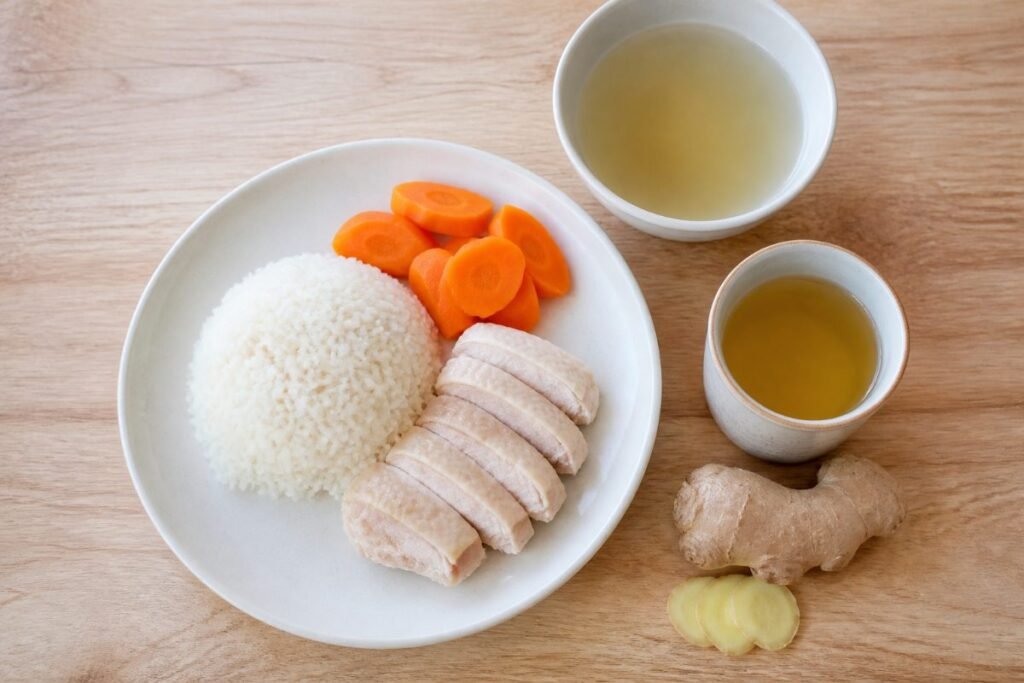
Ginger is worth trying for queasiness. It has modest evidence for nausea in other settings, though nothing tested specifically with Foundayo yet. A chew such as The Ginger People Gin Gins Original Ginger Chews fits in a bag or desk drawer and is easy to reach for before a meal you’re worried about.
4. Get ahead of Foundayo constipation
Constipation affected up to 27% of people at 9 mg, and it tends to creep up because you’re eating less food and therefore less fiber. The National Institute of Diabetes and Digestive and Kidney Diseases recommends 22 to 34 grams of fiber a day for adults, along with plenty of fluids.
On a GLP-1, hitting that from food alone is hard. A psyllium supplement such as Metamucil 3-in-1 Fiber Capsules adds bulk without a large volume of food. Build up over a week and take each dose with a full glass of water, because fiber without fluid can make constipation worse. If you’re choosing a format, our psyllium capsules vs powder comparison walks through the trade-offs.

If fiber isn’t enough after a few days, an osmotic laxative such as MiraLAX (polyethylene glycol 3350) draws water into the stool and is one of the gentler over-the-counter options NIDDK lists. Ask your pharmacist about the right dose for you, and save stimulant laxatives for when other options haven’t worked.
5. Replace fluids and salts when you lose them
Vomiting and diarrhea don’t just feel bad; they can dry you out. The Foundayo label specifically warns about acute kidney injury caused by fluid loss in people with severe stomach reactions. Sip fluids through the day rather than drinking large amounts with meals, which can itself trigger nausea.
On days you’re losing fluid, an electrolyte mix like Liquid I.V. Sugar-Free Hydration Multiplier replaces sodium and potassium without added sugar. Dark urine, dizziness when you stand up and a dry mouth all mean you’re falling behind.
6. Pick a dose time that fits your worst hours
Foundayo has no food or water restrictions and can be taken at any time of day, which gives you a lever the oral semaglutide tablet doesn’t. If nausea peaks a few hours after your dose, some people find an evening dose lets them sleep through the worst of it. Pick one time and keep it daily; consistency matters more than the clock.
7. Ask about staying on a dose longer
The label sets a minimum of 30 days per step, not a deadline. If your symptoms haven’t settled, ask whether you can stay at your current dose for another month, or whether a middle dose is enough. In the 72-week ATTAIN-1 trial of 3,127 adults, average weight loss ranged from 7.5% on the lowest dose to 11.2% on the highest, compared with 2.1% on placebo (American College of Cardiology summary). The top dose isn’t the only route to a worthwhile result.
While you’re adjusting, avoid stacking stimulants. A caffeine-heavy fat burner on top of a GLP-1 can worsen reflux, jitters and poor sleep, and our breakdown of fat burner side effects explains who should skip them entirely.
A 30-day plan for your next dose increase
Pulling the fixes together, here’s how to use the month between steps. It’s built around the first two weeks, when Foundayo side effects are most likely, and leaves room to judge whether the new dose suits you.
- Three days before: stock the kitchen with easy proteins such as eggs, Greek yogurt and canned fish, plus broth, rice and crackers. Start or increase your fiber supplement if you use one, and set a water reminder on your phone.
- Days 1–7: cut portions by about a third, skip fried and very rich meals, and keep a daily note of nausea, bowel movements and how much you drank. Don’t start any new supplement this week, so you can tell what’s causing what.
- Days 8–14: if you haven’t had a bowel movement in three days, add an osmotic laxative and more fluids. If you’re vomiting more than once a day, call your prescriber rather than pushing through.
- Days 15–30: bring back foods you’ve avoided, one at a time. Most people find their tolerance has improved noticeably by now.
- Before the next step: review your notes. If week two was rough and week four still isn’t comfortable, ask about holding the current dose. If you felt fine, you’re likely ready to move up.
The no-new-supplements rule matters more than it sounds. Many people add a fat burner, an apple cider vinegar product or high-dose magnesium in the same week as a dose increase, then can’t tell which one is upsetting their stomach. One change at a time keeps the picture clear, and it makes your notes far more useful at your next appointment.
The interaction many people miss: birth control pills
This detail rarely makes the side-effect lists. Foundayo can make oral contraceptives less effective. The label advises switching to a non-oral method, or adding a barrier method such as condoms, for 30 days after starting Foundayo and for 30 days after every dose increase. Patches, rings, implants, IUDs and injections aren’t expected to be affected.
Pregnancy matters as well. The label says to stop Foundayo once pregnancy is recognized, and the drug isn’t recommended while breastfeeding.
A few other interactions are worth raising with your pharmacist before you start:
- Simvastatin: the dose shouldn’t exceed 20 mg a day, because Foundayo raises its levels in the blood about 2- to 2.5-fold.
- Insulin or sulfonylureas: your prescriber may lower these to reduce the risk of low blood sugar.
- Strong CYP3A4 inhibitors or inducers, such as clarithromycin or carbamazepine: these can raise Foundayo levels about 3.5-fold or cut them by more than 80%, changing both side effects and results.
- Planned surgery or sedation: tell the anesthesia team, because slowed stomach emptying raises the risk of inhaling stomach contents.
Red flags: when side effects aren’t the normal kind
Most Foundayo side effects are uncomfortable rather than dangerous. These are the exceptions. Contact your doctor promptly, or seek urgent care, if you notice any of the following:
- Severe stomach pain that won’t go away, with or without vomiting, sometimes spreading to your back. This can signal pancreatitis.
- Pain in the upper right abdomen, fever, yellowing of the skin or eyes, or clay-colored stools, which can point to gallbladder problems.
- Vomiting or diarrhea that stops you holding down fluids for more than a day, or passing very little urine.
- No bowel movement for several days together with bloating, vomiting or severe pain.
- A lump or swelling in your neck, trouble swallowing, hoarseness or shortness of breath.
- Swelling of the face, lips or throat, or a rash with trouble breathing, which suggests an allergic reaction.
Foundayo also carries a boxed warning about thyroid C-cell tumors, based on rodent studies of other GLP-1 drugs. Orforglipron itself didn’t cause these tumors in rodents, and the relevance to humans is undetermined. It still isn’t for anyone with a personal or family history of medullary thyroid cancer or MEN 2.
Are Foundayo side effects different from the injections?
Broadly, no. The stomach effects come from the same GLP-1 mechanism, and the rates fall in a similar range to injectable treatments. The real differences are about routine. The oral semaglutide tablet has to be taken on an empty stomach with a small sip of water and a wait before eating. Foundayo is a small molecule rather than a peptide, so it doesn’t need those fasting rules.
For a short walkthrough of what to expect in the first months, this pharmacist-led explainer covers the basics:
If you’re weighing a prescription option against over-the-counter products, our comparison of OTC vs prescription weight loss pills explains why the evidence gap is so wide. And if you’ve seen supplements marketed as natural alternatives, read what GLP-1 supplements can and cannot do before you buy.
Frequently asked questions
What are the most common Foundayo side effects?
Nausea, constipation, diarrhea and vomiting. In the label’s trial data, nausea affected 26% to 35% of people depending on dose, constipation 20% to 27%, diarrhea 21% to 25% and vomiting 13% to 24%. Indigestion, stomach pain, bloating and burping were less common.
How long do Foundayo side effects last?
For most people they’re worst in the first one to two weeks after starting or increasing a dose, then ease as the gut adjusts. The label notes that stomach side effects decreased over time. If symptoms still bother you after about four weeks on the same dose, talk to your prescriber before stepping up.
Does Foundayo cause hair loss?
Hair loss was reported in 4% to 5% of people taking Foundayo, compared with 2% on placebo. It’s often linked to rapid weight loss and low protein intake rather than the drug directly, so eating enough protein while you lose weight may help.
Should Foundayo be taken with food?
There are no food or water restrictions. You can take it with or without food at any time of day. Swallow the tablet whole without splitting, crushing or chewing it, and take it at the same time each day.
Does Foundayo affect birth control pills?
It can make birth control pills less effective. The label advises using a non-oral method, or adding a barrier method, for 30 days after starting and for 30 days after each dose increase. Non-oral hormonal methods aren’t expected to be affected.
What should I do if I miss doses of Foundayo?
Take a missed dose as soon as you remember, but never take two at once. If you’ve missed seven or more doses in a row, call your prescriber, because you’ll likely need to restart at a lower dose to avoid strong side effects.
Your next step before the next refill
Foundayo side effects are predictable: mostly digestive, worst in the two weeks after each dose increase, and most likely to bite at the 9 mg step. That predictability is useful, because it means you can prepare instead of react.
Pick three fixes now: smaller low-fat meals, a fiber-and-fluids plan, and an honest check-in with your prescriber before each increase. Keep a short symptom note and bring it to your next appointment. It turns a vague complaint into a dosing decision you can make together.