OTC vs Prescription Weight Loss Pills: 5 Key Differences
Trying to choose between OTC vs prescription weight loss pills? Walk into any pharmacy and you’ll see shelves promising to melt fat. Then your doctor mentions a prescription drug that costs ten times more.
Both can’t be the obvious best choice. So which one is right for you?
The honest answer: it depends on you. Let me show you how to tell.
Table of Contents
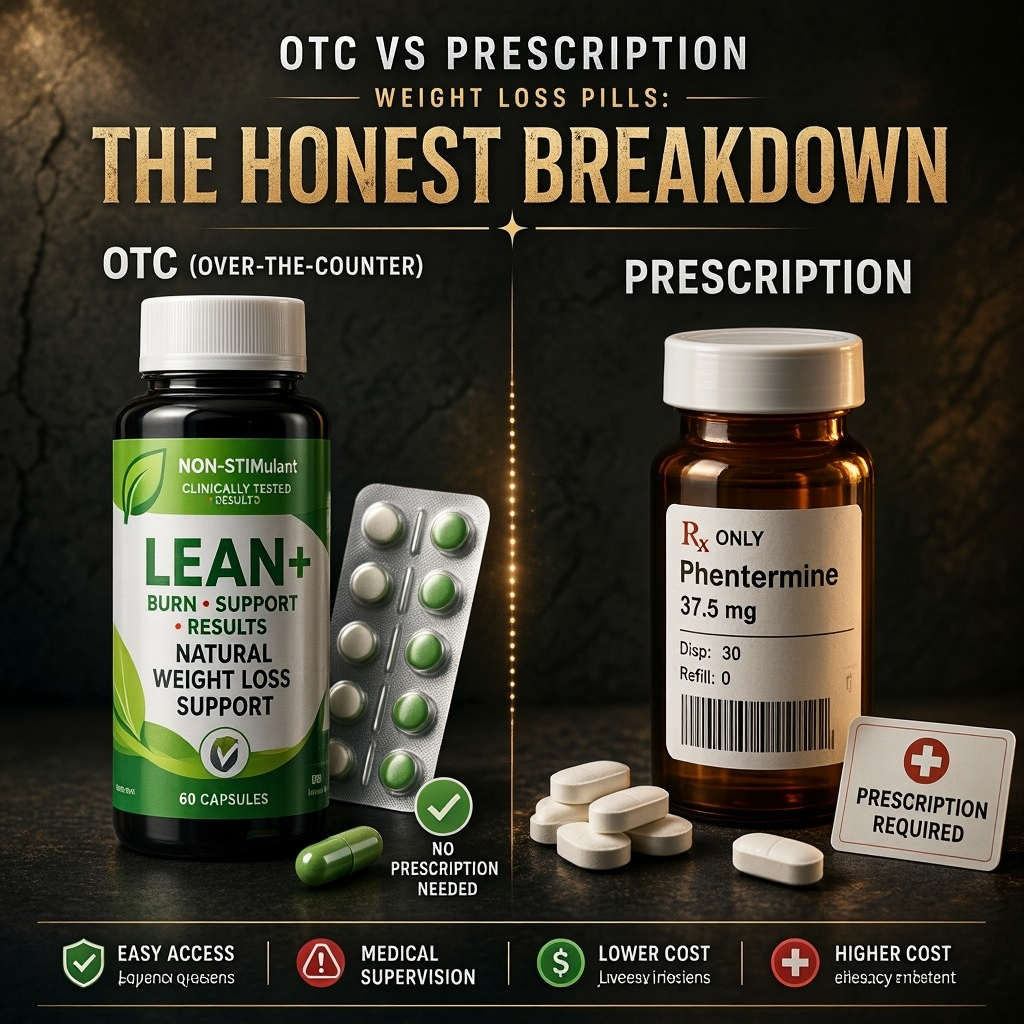
What “OTC” and “Prescription” Weight Loss Pills Actually Mean
OTC means over-the-counter. You can grab it without a doctor.
Prescription means a doctor has to sign off first.
That gap matters more than the price tag. Here’s why.
Prescription weight loss drugs go through strict FDA testing before approval. Regulators check if they work and how safe they are.
Most over-the-counter weight loss supplements skip that bar. In the US, supplements aren’t approved for safety before they hit shelves. The FDA can only step in after problems show up.
So an OTC “fat burner” and an FDA-approved prescription drug are not the same category. One proved itself first. The other often didn’t.
Do Over-the-Counter Weight Loss Pills Actually Work?
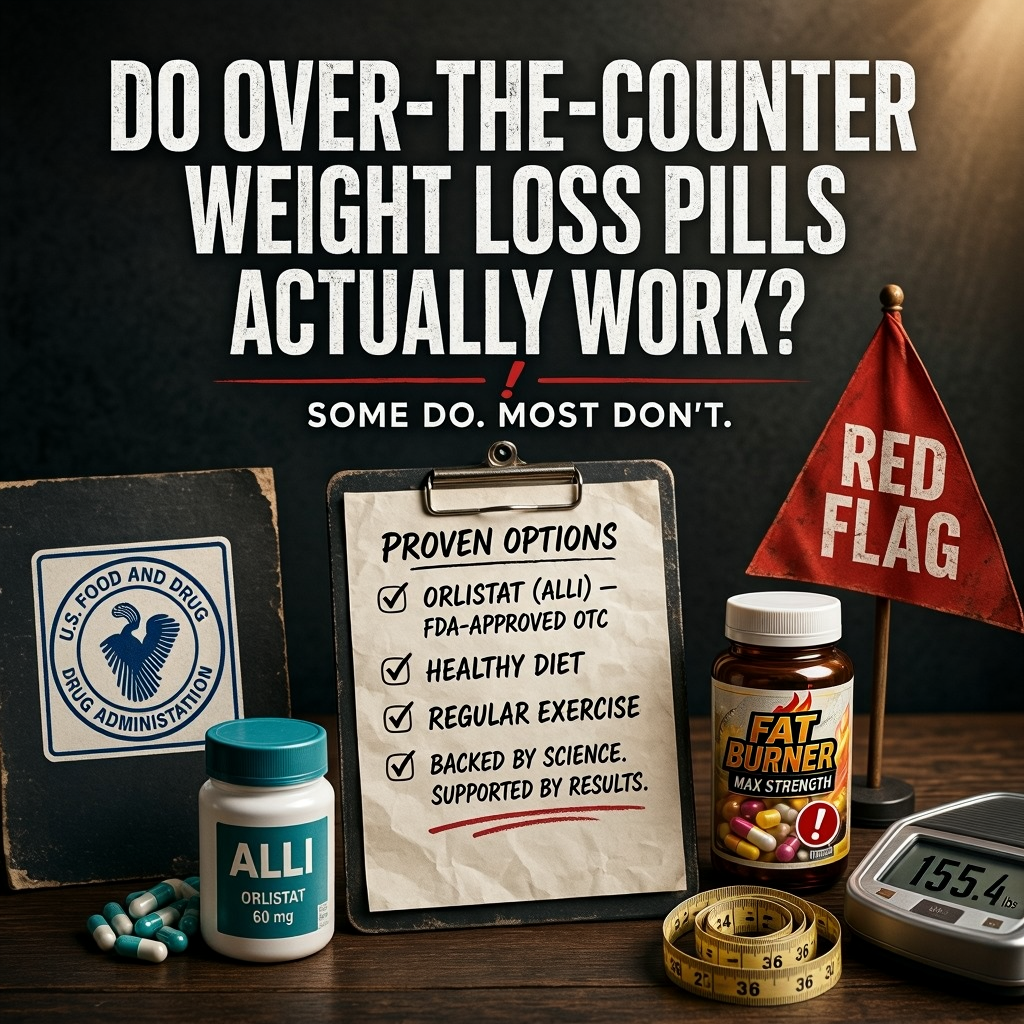
Some do. Most don’t. The short version: one OTC pill has FDA backing, while flashy “fat burners” usually have weak or zero evidence. Stick to proven options like orlistat, add diet and exercise, and treat any pill promising fast, effortless results as a red flag.
OTC isn’t all snake oil. A few options have real support.
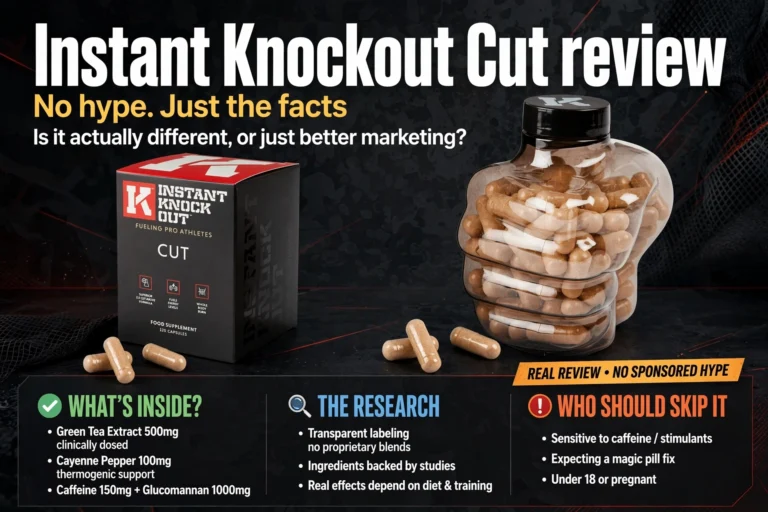
- Orlistat (Alli): FDA-approved and sold OTC at a low dose. It blocks some fat from being absorbed. It works, though the digestive side effects are famously unpleasant.
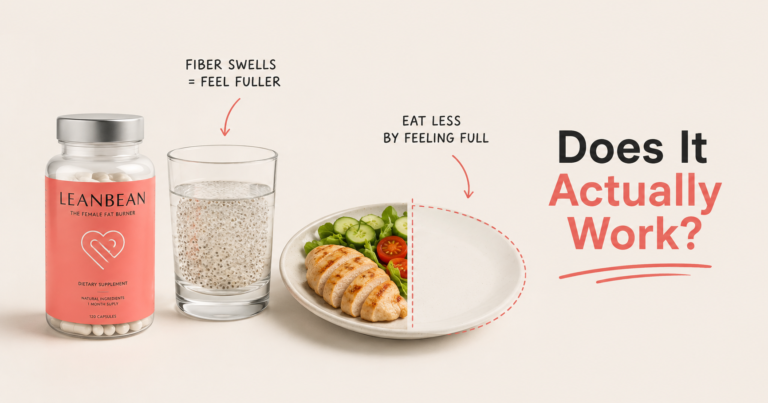
- Fiber supplements: Things like glucomannan can help you feel full. Modest effect, but real and cheap.
- Caffeine: A mild appetite and metabolism nudge. Nothing dramatic.
OTC fits well if your goal is modest. Maybe you have a little to lose. Maybe you want a low-cost, low-commitment start.
You skip the doctor visit. You skip the high cost. You keep control.
That’s a fair trade for some people.
Where Cheap Diet Pills Quietly Fail People
Here’s the part the marketing hides.
Most OTC diet pills with flashy names have weak or zero evidence. Think raspberry ketones, green coffee bean, and most “detox” blends.
Some get caught hiding unapproved drugs inside them. That’s not a rare scare story. The FDA’s list of tainted weight loss products has flagged hundreds of them, many spiked with prescription drugs pulled from the market for safety reasons.
So the risk isn’t just wasting money. You could swallow something you can’t verify.
Been burned before? This is probably how. The pill overpromised and underdelivered.
Where Prescription Weight Loss Drugs Pull Ahead
Now the other side.
The newer prescription weight loss medications changed the whole conversation. Drugs like semaglutide and tirzepatide (brand names like Wegovy and Zepbound) work through gut hormones.
The results are on record. In the STEP 1 trial, semaglutide helped people lose about 15% of their body weight. In the SURMOUNT-1 trial, tirzepatide pushed that number as high as 22% at the top dose.
That’s not a small edge. It’s a different league. No OTC pill comes close.
These come with real medical oversight too. A doctor screens you, adjusts your dose, and watches for problems. The NIH’s guide to prescription obesity medications lays out how each type works and who qualifies.
Prescription weight loss drugs make sense if:
- You have a lot of weight to lose.
- You have related health issues, like type 2 diabetes.
- OTC options already failed you.
- You want the strongest proven results.
The Catches Nobody Should Skip
Prescription isn’t a free win either. Let’s be straight.
The cost can be brutal. Without insurance, some of these drugs run over $1,000 a month.
Side effects are common. Nausea and stomach trouble hit a lot of users, especially early on.
And the results often depend on staying on the drug. Stop taking it, and the weight can come back.
So “stronger” doesn’t mean “easier.” It means a bigger commitment.
How to Choose the Best Weight Loss Pill for You
Forget picking a “winner.” Match the tool to your situation.
Ask yourself these questions:
- How much do I want to lose? A little leans OTC. A lot leans prescription.
- Do I have other health conditions? If yes, talk to a doctor first.
- What’s my budget? OTC is cheap. Prescription can be a stretch.
- Have I tried anything already? If OTC flopped, that’s useful data.
One rule holds for everyone. Any weight loss pill works best alongside food and movement changes. Mayo Clinic makes the same point: these drugs support diet and exercise, they don’t replace them.
No pill fixes the whole picture on its own. Not the cheap one. Not the expensive one.
The Bottom Line on OTC vs Prescription Weight Loss Pills
There’s no single winner here. There’s your winner.
OTC weight loss pills can be a smart, low-cost start for modest goals, as long as you stick to something proven like orlistat. Prescription weight loss drugs are the heavy hitters. They cost more and demand more, but the results hold up.
The one thing you shouldn’t do is buy either based on an ad.
Book one honest talk with a doctor or pharmacist. Bring the four questions above. Let a real professional match the pill to your body, not to a marketing budget.
That single conversation beats every diet pill ad you’ll ever read.