Fat Burner Side Effects: 7 People Who Must Stop
Fat burner side effects don’t announce themselves. You’ve heard it all before — every supplement “clinically proven,” every warning “just the lawyers talking.” You’ve been burned by hype, so you tune it out. Good. Keep that skepticism. But aim it in the right direction. Because one word on the label isn’t marketing: contraindication. And ignoring the fat burner side effects tied to it has put healthy people in liver transplant wards. This isn’t a pitch for a product. It’s the opposite — the case for who should walk away from these bottles for good.
Every case below comes from FDA actions, federal recalls, or peer-reviewed medical sources — the same standard behind how we review every product on this site.
Table of Contents
Are Fat Burners FDA Approved? The Myth That Gets People Hurt
Here’s the belief that gets people hurt: “It’s sold in stores, so someone checked it.”
Nobody checked it. Fat burners don’t need FDA approval before they reach shelves. Dietary supplements are not required to go through an FDA approval process before they’re sold to customers. The company decides its product is safe. Then it sells it. The FDA usually only steps in after people get hurt.
Think about what that means. The safety net you’re picturing doesn’t exist. You are the trial. That’s not a conspiracy theory. It’s just how the law works.
Proof Fat Burners Can Be Dangerous: Bans, Recalls, and Deaths
Skeptics want proof, not scare stories. Fair. So here’s the paper trail.

Ephedra was a top-selling fat burner. Then the FDA banned it. The NIH Office of Dietary Supplements notes that on February 9, 2004, the FDA prohibited the sale of supplements containing ephedrine alkaloids because they pose an unreasonable risk of illness or injury. The ban followed reports of heart attacks, strokes, and deaths.
Then came DMAA, a stimulant that filled the gap. Products containing DMAA have been linked to liver injury, cardiac arrest, stroke, brain hemorrhage, and death after exertion. Two U.S. soldiers died of heart attacks during exercise with DMAA in their systems.
Then a fat burner called OxyElite Pro. In 2013, dozens of people in Hawaii developed sudden hepatitis and liver failure linked to it. Some needed liver transplants. One of them — Sonnette Marras, a 48-year-old mother of seven — died.
These aren’t old wives’ tales. They’re case reports, recalls, and federal bans.
Banned Fat Burner Ingredients That Keep Coming Back
The bad ones got pulled, so today’s products must be clean, right? Wrong on two counts.
First, banned fat burner ingredients keep coming back in disguise. Researchers have found unapproved, potentially dangerous stimulants hiding in supplements, including DMAA, DMBA, DEPEA, and oxilofrine. Chemists tweak a molecule, give it a new name, and it’s back on the shelf.
Second — and this matters most — banning the extreme stuff doesn’t make the legal stuff safe for everyone. A product can be fine for your gym buddy and dangerous for you. That’s what a contraindication is. Not “this is poison.” It’s “this is poison for certain bodies.”
Why Feeling Fine Doesn’t Mean Fat Burners Are Safe for You
Let me guess who you are. You read every ingredient panel. You’ve taken pre-workout for years and felt fine. You roll your eyes at warning labels. You figure your tolerance proves you’re safe.
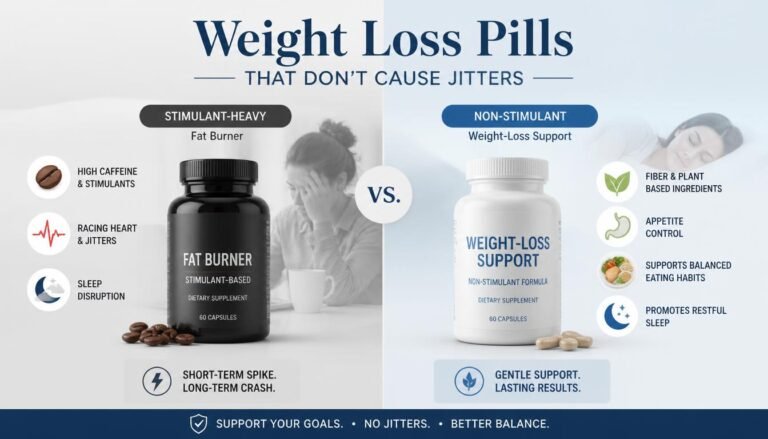
Here’s the flaw in that logic. Handling the jitters is not the same as being safe. Your heart, liver, or kidneys can be taking a hit while you feel completely normal. So the real question isn’t whether fat burners are safe in general — it’s whether they’re safe for your body. The people who ended up in the ER felt fine too, right up until they didn’t. It also helps to know how stimulant and non-stimulant fat burners differ before you buy anything.
Who Should Not Take Fat Burners? 7 People Who Must Stop
This is the whole point. Not everyone needs to quit. But if you’re on this list, the risk isn’t worth it.
Avoid fat burners if any of these apply to you:
- You have a heart condition or high blood pressure
- You have liver problems
- You have kidney issues
- You have diabetes or insulin resistance
- You take any prescription medication
- You are pregnant or breastfeeding
- You already react badly to stimulants
Fat burner side effects hit these bodies hardest, so if even one line fits you, the safest move is to skip them entirely.

Here’s why each group is on the list.
A heart condition. This is the big one. High-caffeine stimulants raise heart rate and blood pressure. If your heart already struggles, you’re pouring fuel on a fire. Anyone with a pre-existing heart condition should avoid fat burners and talk to a doctor first.
High blood pressure. These pills push it higher. Some ingredients spike blood pressure and speed up the heart.
Liver problems. The liver takes the hit. Weight-loss and bodybuilding products are the most common cause of supplement-linked liver damage, according to the NIH’s National Center for Complementary and Integrative Health. Even plain green tea extract has caused liver failure that needed a transplant.
Diabetes or insulin resistance. Fat burners can disrupt blood sugar, trigger dangerous lows, and clash with diabetes medication.
Kidney issues. Some ingredients cause dehydration, which strains the kidneys and raises the risk of stones or sudden kidney injury.
Prescription medication. Drug interactions are real and hard to predict.
Pregnant or breastfeeding. Not worth a single sentence of debate.
Can a Few Fat Burner Pills Really Hurt You?
Here’s what critics miss. The danger isn’t always the mega-dose. Sometimes it’s tiny.
In one documented case, a healthy 35-year-old woman took just three pills over two days. Two weeks later she turned jaundiced. She needed a new liver.
The pattern shows up again and again in weight-loss stimulants. Phenylpropanolamine — a diet-aid ingredient related to ephedra — was pulled from the U.S. market in 2000 after research tied it to hemorrhagic strokes, mostly in young women, often within days of a first dose.
Young. Healthy. Short-term. That’s the profile that should scare you most. These people weren’t abusing bottles. They followed the label.
Why “My Friend Takes Fat Burners and He’s Fine” Proves Nothing
You know someone who’s used fat burners for years. Ripped, healthy, no problems. That’s survivor’s math.
You don’t hear from the person whose heart gave out on a run. You don’t meet the guy who got the liver transplant. They’re not in your group chat. They’re in case reports, with numbers instead of names.
Judging safety by the survivors is like judging Russian roulette by the people still standing. The empty chambers don’t disprove the loaded one. Contraindications exist because averages lie. “Safe for most people” is cold comfort if your body is the exception.
Do Fat Burners Even Work? Weighing the Benefit Against the Risk
Look at what you’re actually trading.
A fat burner costs maybe thirty bucks. It might help you drop a few pounds — though reviews of the research suggest green tea and similar supplements are unlikely to produce meaningful weight loss. If you want the honest breakdown, see which weight loss supplements actually work, and if you’re eyeing a specific formula, check its evidence first — for example, what the science says about Hunter Burn. So the upside is small and shaky.
Not convinced? Here’s a plain-English breakdown of whether fat burners actually do anything:
Video: “Do Fat Burners Actually Work?”
Now the downside. For the wrong body, fat burner side effects include arrhythmias, heart attacks, strokes, and liver failure. A chronically elevated heart rate can raise the risk of a heart attack or stroke over time.
Weigh it honestly. A maybe-tiny benefit against a rare-but-catastrophic risk. For the wrong body, that’s a terrible bet.
How to Know If Fat Burner Side Effects Apply to You
Maybe none of the categories fit you. Then here’s your one job: find out for sure.
Half the people on that contraindication list don’t know they belong there. High blood pressure has no symptoms. Early liver strain has no symptoms. A heart rhythm problem can hide for years.
You could be a walking contraindication and feel great. The pill won’t warn you. Your body won’t warn you. You’ll just find out the hard way. That’s why “I feel fine” isn’t a safety check. It’s a guess.
The Honest Bottom Line on Fat Burner Side Effects
Supplements aren’t evil, and not every healthy adult needs to panic. But fat burner side effects are written in real cases with real names — people who felt fine right up until their heart or liver quit. The companies won’t protect you. The label barely tries. The FDA shows up late. That leaves one person in charge of your safety, and it’s you. So before your next dose, run the four-step safety check below.
Fat Burner Safety Checklist: Do This Before Your Next Dose
Before you buy anything, it helps to compare the main types of diet pills so you know what you’re actually looking at. Then run this check.
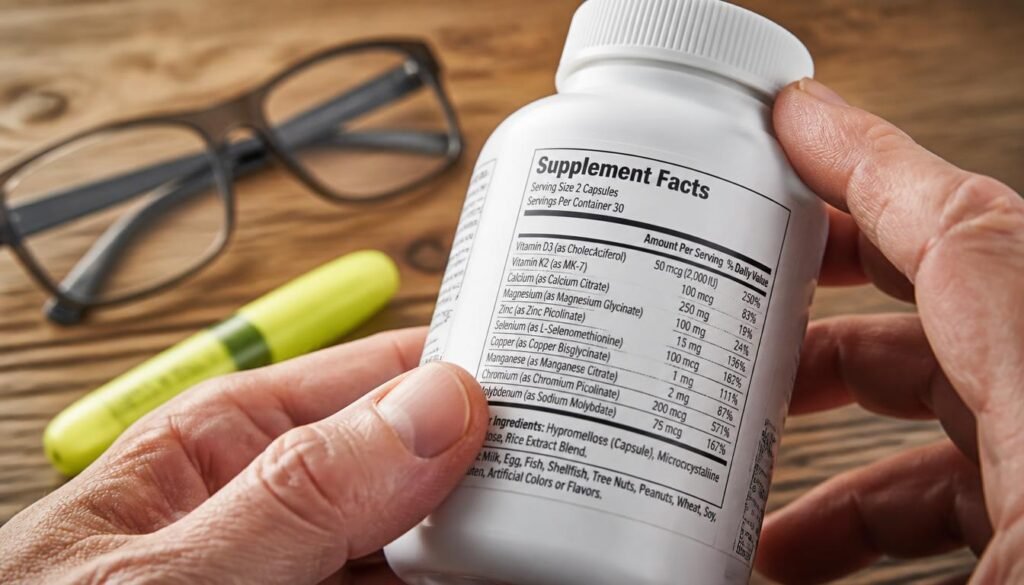
- Read the ingredient panel. Look for stimulants like caffeine, yohimbe, green tea extract, and guarana — our ingredient guides break down what each one does.
- Check your health against the fat burner contraindications above — heart, blood pressure, liver, kidneys, diabetes, medications, pregnancy.
- Get a basic check-up if you’re unsure. A blood-pressure reading and a liver panel are cheap and fast.
- Talk to a doctor or pharmacist before your next dose — not after something feels wrong.
Land in even one contraindicated group, and the strongest move isn’t pushing through. It’s putting the bottle down.
Check Your Numbers Before Any Stimulant
Disclosure: The links below are affiliate links. As an Amazon Associate, this site earns from qualifying purchases — at no extra cost to you.
The advice in this article is simple: know your heart and blood pressure before you touch a stimulant. These two tools make that cheap and easy to do at home, and they’re the honest “product recommendation” for a piece about fat burner side effects.
- Upper-arm blood pressure monitor — High blood pressure has no symptoms, and it’s the single most common reason someone should skip fat burners. A clinically validated cuff gives you a reading in about 60 seconds, so you’re not guessing.
- Heart-rate monitor watch — Stimulants push your heart rate up. A wrist tracker lets you see your resting and active heart rate and catch a problem early, instead of finding out the hard way on a run.
If either number surprises you, that’s your answer — talk to a doctor before you take another pill.
Frequently Asked Questions
Who should not take fat burners? Avoid fat burners if you have a heart condition, high blood pressure, liver or kidney problems, diabetes or insulin resistance, take prescription medication, or are pregnant or breastfeeding. For these bodies, the stimulant load can turn a routine product into a serious risk. When in doubt, talk to a doctor before your first dose.
Are fat burners safe? For many healthy adults they cause nothing worse than jitters — but “safe for most” isn’t the same as safe for you. Fat burner side effects have included arrhythmias, dangerous blood-pressure spikes, and liver failure, sometimes in young, healthy people who followed the label exactly. Your personal health history decides the real risk.
What are the most common fat burner side effects? The everyday ones are a raised heart rate and blood pressure, jitteriness, poor sleep, digestive upset, and dehydration. The rarer but serious side effects include heart rhythm problems, stroke, and liver injury. Stimulant-heavy formulas — high caffeine, yohimbe, guarana — tend to drive the cardiovascular effects.
Can fat burners damage your liver? Yes. Weight-loss and bodybuilding supplements are a leading cause of supplement-related liver injury, and even green tea extract has triggered liver failure that needed a transplant. Warning signs include fatigue, nausea, dark urine, and yellowing skin or eyes — stop use and seek care if they show up.
Are fat burners FDA approved? No. Dietary supplements, including fat burners, don’t need FDA approval before they’re sold. Manufacturers are responsible for their own safety, and the FDA usually acts only after problems are reported — which is why ingredients like ephedra and DMAA were pulled only after injuries and deaths.
Do fat burners actually work? The effect is small at best. Reviews suggest ingredients like green tea extract are unlikely to produce meaningful weight loss on their own. Diet, movement, and sleep move the needle far more — without the cardiovascular and liver risks that come with stimulant pills.