
Fibermaxxing: 7 Powerful Tips to Avoid Harmful Mistakes
Fibermaxxing can turn a sensible goal—eating enough fiber—into a race your gut never agreed to run. If you added a powder, a high-fiber bar and a prebiotic drink this week and now feel painfully full, the useful question is not how to push through. It is what changed, how much you actually added, and whether you need all three.
This guide gives you seven practical checks for increasing dietary fiber with fewer avoidable problems. You will learn how to count your real intake, compare fiber supplements, and judge appetite changes without mistaking a bowel movement for fat loss.
Affiliate disclosure: As an Amazon Associate I earn from qualifying purchases. Product links below are optional alternatives, not a shopping list or a claim that you need supplements. This article is educational and does not replace individualized medical advice.
Table of Contents
What fibermaxxing gets right—and where it overreaches
The worthwhile part of fibermaxxing is paying attention to foods that are easy to crowd out: beans, whole grains, vegetables, fruit, nuts and seeds. The less useful part is treating the highest gram count as the best result. Comfort, adequate nutrition and a routine you can repeat matter more than a screenshot of your tracker.
The CDC explains the different roles of soluble and insoluble fiber. Soluble fiber forms a gel in water; insoluble fiber contributes bulk. A varied diet provides both. That distinction helps explain why two products with the same advertised fiber grams may behave differently.
There is a real gap between supporting fullness and guaranteeing weight loss. A randomized trial of 240 adults with metabolic syndrome compared a fiber-focused diet with a more complex American Heart Association diet. At 12 months, average weight change was −2.1 kg and −2.7 kg respectively. Participants received counseling; this was not a test of adding a scoop to an otherwise unchanged routine.
The trial makes a simple dietary focus worth considering. It does not establish that fibermaxxing produces those results for everyone, or that doubling fiber doubles weight loss. Treat viral before-and-after stories as personal reports, not a forecast for your body.
1. Count your starting intake before adding anything
Before changing your fibermaxxing routine, for three ordinary days, write down what you actually eat and drink. Include weekdays and, if possible, a weekend day. Record the portion, the dietary fiber per serving, and the number of servings consumed. Do not redesign your meals just because you are measuring them.
A fibermaxxing audit that catches hidden stacking
Here is a hypothetical label exercise: a breakfast bar supplies 8 g of fiber, a drink adds 5 g, and gummies contribute 5 g per labeled serving. Together that is 18 g before counting your meals. If you previously ate little fiber, this combination creates a much larger change than the individual packages suggest.
Keep powder weight separate from dietary fiber. A 6 g scoop of product does not automatically supply 6 g of fiber. Likewise, “500 mg psyllium” on a capsule is ingredient weight, not a promise of half a gram of dietary fiber. Read the panel rather than calculating from the front label.
Our supplement-label guide explains serving sizes and blends. For fibermaxxing, the key extra step is adding all sources together. Include the breakfast cereal you already eat, not just the new product you are excited to try.
2. Choose a personal target instead of a viral ceiling
The NIDDK gives an adult range of 22–34 g daily, depending on age and sex, and advises adding fiber gradually. This is a general reference, not a requirement to reach the top of the range tomorrow. Health conditions can change what is appropriate.
Choose your fibermaxxing target with a dietitian if you have ongoing digestive symptoms or a prescribed diet. If you are already eating near your appropriate intake and feel comfortable, fibermaxxing does not require another supplement. Closing a gap is a clearer reason to change than competing with someone eating twice your portions.
Think of the target as a destination you approach while watching tolerance. If your usual intake is low, replace one low-fiber choice first. Keep that change steady before adding the next. There is no universal timetable that guarantees your gut will adapt by a particular day.
Use a short note beside the gram total: comfortable, mildly gassy, or disruptive symptoms. The number alone cannot tell you whether your current approach is working. A slightly lower intake you can maintain comfortably is more useful than a high total you abandon after two miserable evenings.

3. Spread food swaps across the day
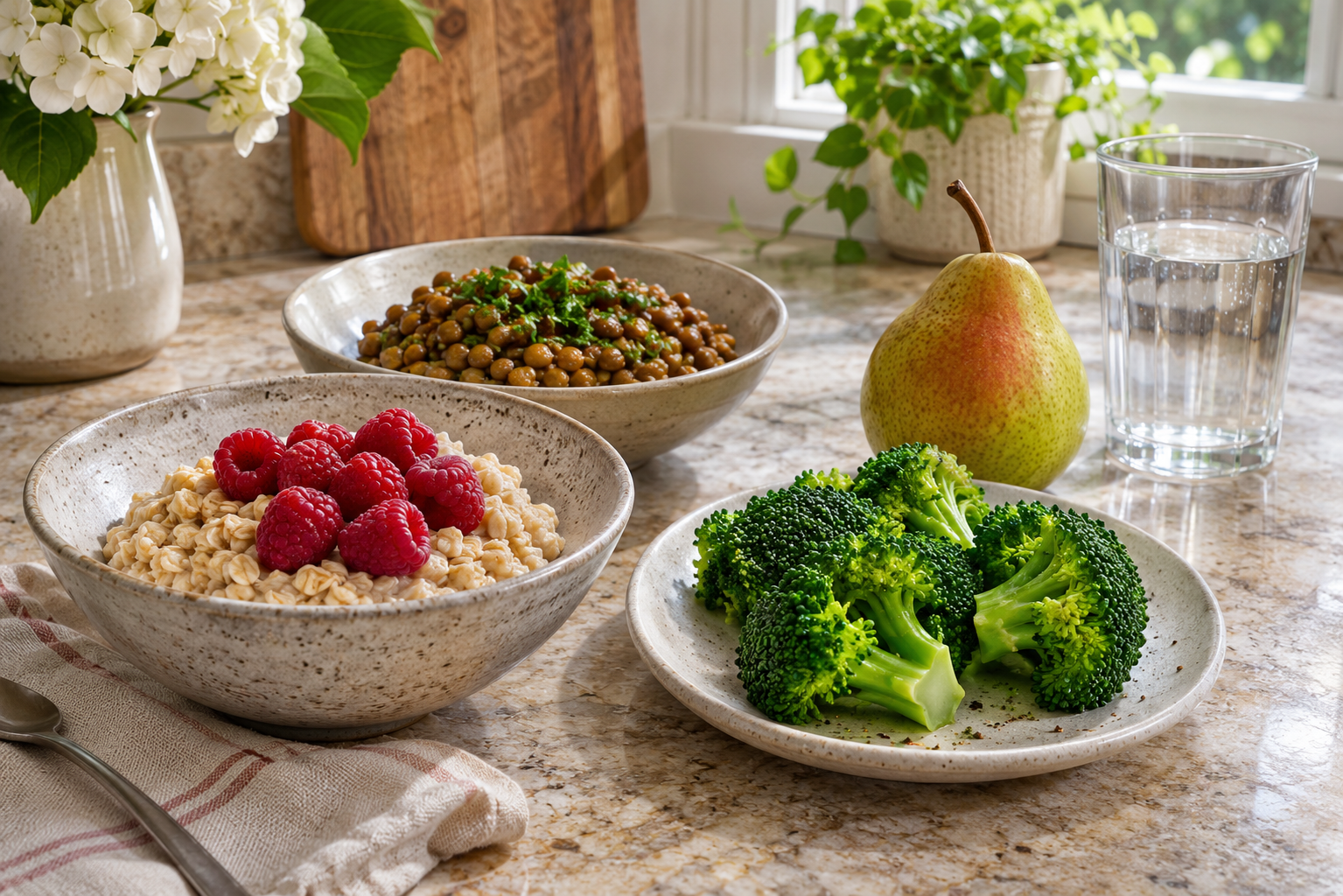
A practical fibermaxxing breakfast might replace a refined cereal with oats and fruit. At lunch, add a modest serving of beans to a meal you already enjoy. At dinner, include a vegetable and a whole-grain option. Make one of these changes first rather than transforming all three meals overnight.
Portion estimates are planning aids, not laboratory measurements. Brands, preparation and serving sizes change the total. Use your package labels or a reliable food database for the foods you actually serve. A bowl photographed online can contain two or three times the portion you would comfortably eat.
For example, keep your usual yogurt, add a small portion of berries, and assess how it feels before layering in bran, seeds and powder. If you prefer savory food, mix a little lentil stew into your usual lunch. Neither approach requires a special “gut health” product.
Choose substitutions when weight management is the goal. Adding a large seed topping, extra nuts and a fortified snack without replacing anything can raise energy intake alongside fiber. Those foods can be nutritious; their fiber content does not make portion size irrelevant.
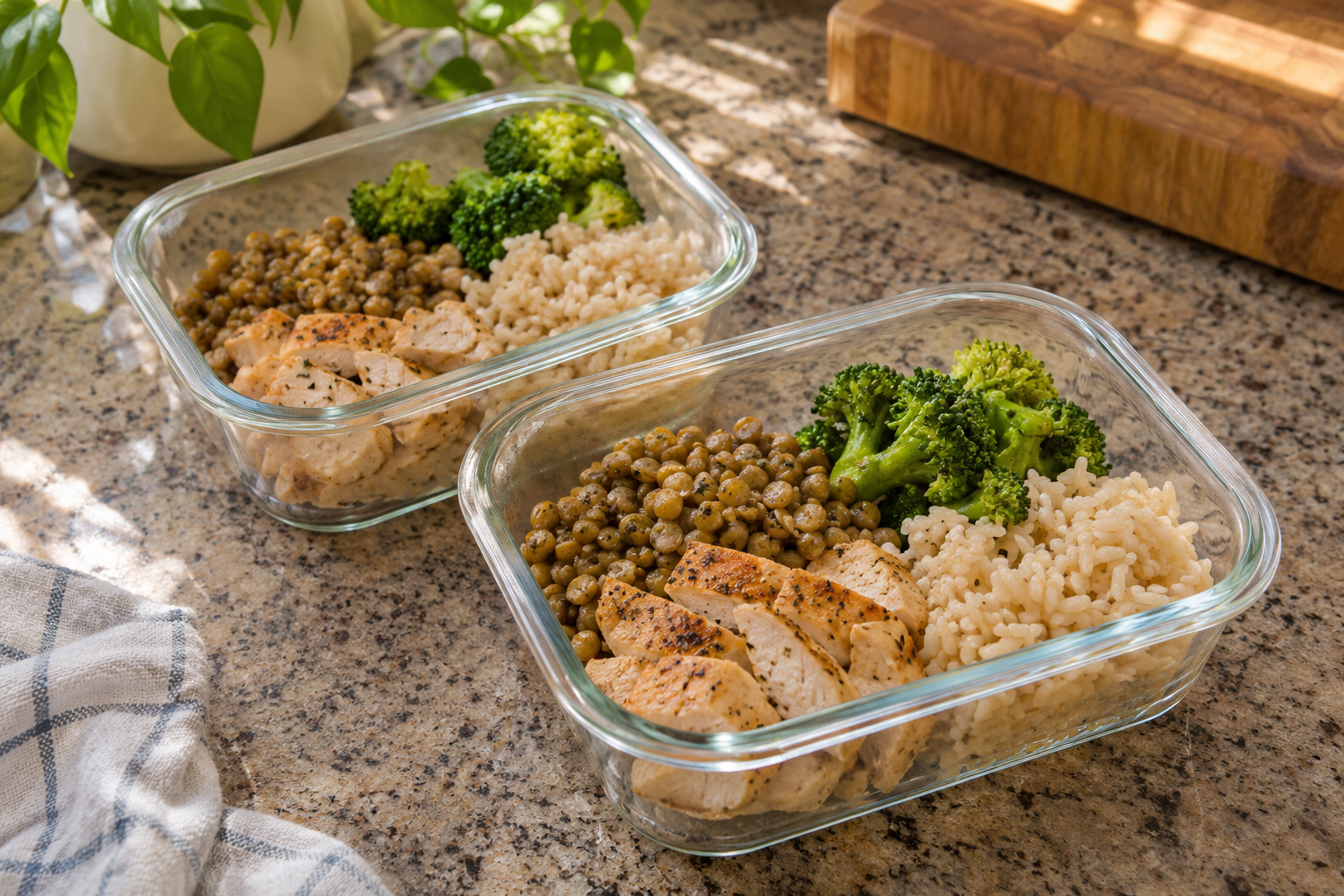
Keep protein in the meal. A lunch made almost entirely from raw vegetables may produce fullness yet leave other nutritional needs unmet. Fibermaxxing should improve an eating pattern, not crowd out the rest of it. Prepare enough food for a satisfying meal rather than using discomfort as proof of success.
Make the next shopping trip specific: choose one food you already know how to prepare, decide which meal it will replace or improve, and buy a quantity you will use. Frozen vegetables, canned beans and plain oats can make that decision easier on a busy week. Convenience matters more than an elaborate recipe you will never repeat.
For a shared household, keep the new topping or side separate so portions remain flexible. Your partner’s tolerance does not set yours. A fibermaxxing plan should survive an ordinary workday, a packed lunch and an occasional restaurant meal without requiring a bag full of products.
4. Match the supplement to the actual problem
For a fibermaxxing supplement plan, before choosing fiber supplements, name the job: filling a small dietary gap, making a portable routine easier, or discussing constipation with a clinician. Those are different tasks. A product sold for regularity is not automatically a proven appetite suppressant, and a clear-mixing powder is not interchangeable with gel-forming psyllium.
A systematic review of isolated soluble-fiber trials reported improvements in weight-related and metabolic outcomes, but substantial differences between studies. That variability matters: evidence about a fiber category does not prove a particular branded mixture will produce a particular result.
For a broader reality check, the NIH Office of Dietary Supplements reviews weight-loss supplements and describes limited evidence for many products. Its assessment of glucomannan is little to no effect on weight. A mechanism that sounds convincing is not the same as a dependable treatment effect.
If a powder is appropriate, consider NOW Organic Psyllium Husk Powder, 12 oz as an unflavored psyllium option to compare. It fits readers who want to examine a straightforward fiber product rather than an appetite blend; check the current panel and mixing directions before use.
For readers who prefer a clear-mixing format, Benefiber Unflavored Prebiotic Fiber Powder is another format to compare. Convenience may help consistency, but clear mixing does not establish equivalent fullness or weight effects to psyllium.
An alternative psyllium format is Metamucil Psyllium Powder with No Added Sweetener. It may suit someone avoiding a sweetened drink; compare its labeled fiber per serving and cost per serving with the NOW option rather than taking both.
These products were listed on Amazon when researched. Formulas, sellers, package sizes, prices and delivery eligibility can change. None has been personally tested for this article. Choose one appropriate option, if any, and judge it by the current label rather than ratings or a “GLP-1 friendly” badge.
Use a cost-per-fiber comparison when the serving sizes differ. In a hypothetical example, a $20 container with 50 servings costs $0.40 per serving. If each serving supplies 3 g of dietary fiber, that is about $0.13 per gram. A cheaper tub can cost more per gram if its servings supply less fiber. This calculation compares value, not effectiveness, and does not justify exceeding the label.
Before reordering, ask whether the product solved the problem you named. A powder that stays unused because you dislike its texture is poor value even at a low price. A supermarket food you regularly enjoy may fit your budget and meals better than a subscription. Avoid buying a multipack until you know the format suits your routine.
5. Change one variable when bloating starts
Bloating after fibermaxxing is a reason to review the recent increase, not to keep escalating. Did you double the portion, add a prebiotic bar, or switch to a product with several new ingredients? Pause further increases while you identify the change.
When troubleshooting fibermaxxing, keep a simple record of food, product, portion and symptoms. If several things changed together, discussing that record with a dietitian is more useful than deciding that all beans or all fiber are unsuitable. Sugar alcohols and other ingredients in fortified products can also complicate the picture.
Some fermentable fibers can generate gas as gut bacteria use them. That does not mean pain is necessary for benefit. Avoid interpreting persistent discomfort as “detox” or proof that the product is cleaning your system. A tolerable routine should allow normal meals, sleep and daily activities.
For ordinary mild symptoms after a sudden increase, return to a previously tolerated approach and seek individualized advice if symptoms persist. Do not self-diagnose a food intolerance from one uncomfortable meal. Severe symptoms need assessment rather than another round of product experiments.
6. Treat water and medication timing as part of the label
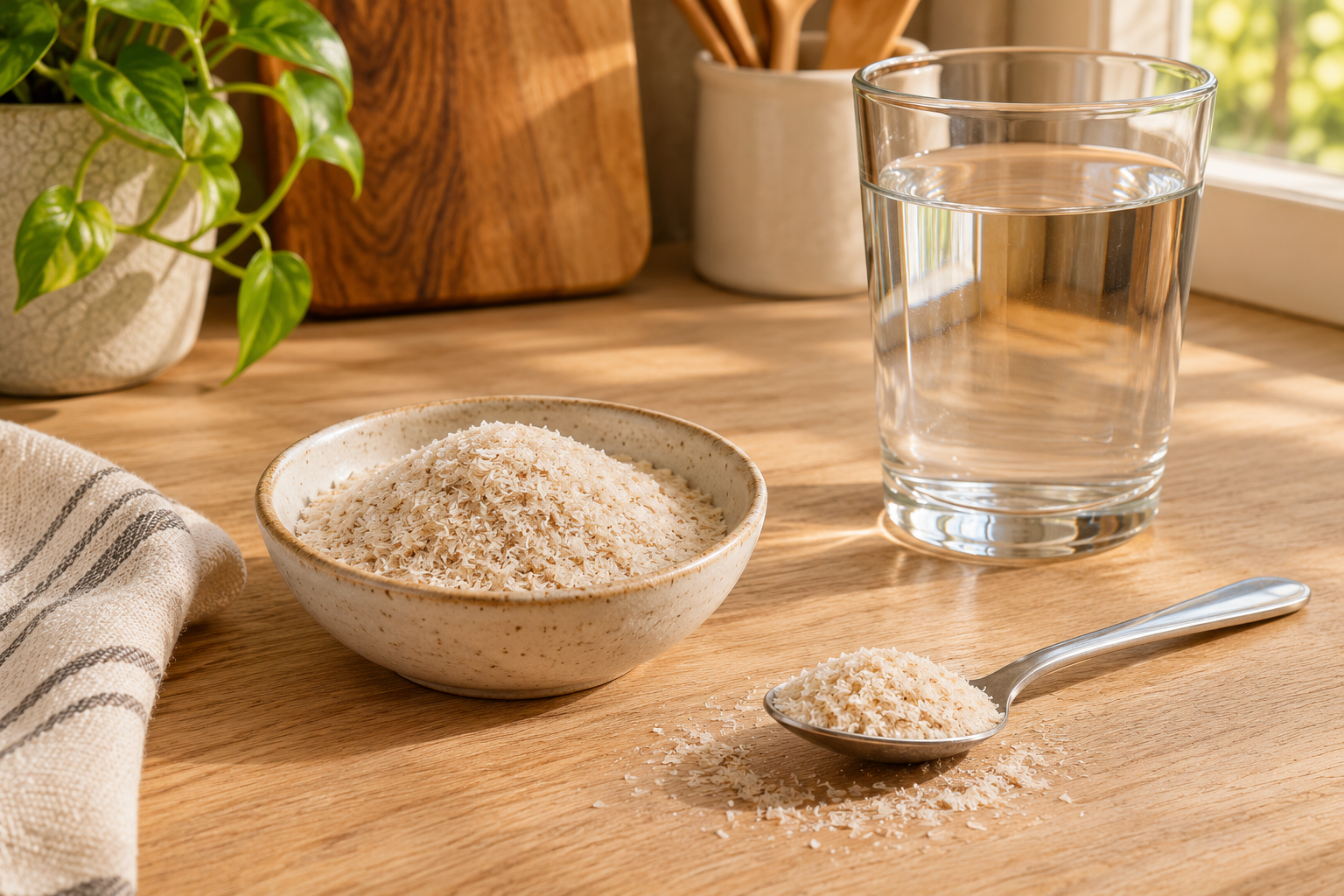
Psyllium requires appropriate liquid. MedlinePlus instructs users to take it with at least 8 oz (240 mL) of liquid and follow package or prescription directions. Do not swallow dry powder or improvise a concentrated mixture for a social-media challenge.
Ask a pharmacist about spacing from your own medicines; a generic gap copied from a blog may not fit every drug. People with swallowing difficulty or a history of intestinal blockage should get professional advice before trying a bulk-forming product. Do not use added fiber to investigate unexplained abdominal pain.
Daily fluid needs are individual, especially with a medical fluid restriction. Plan drinks through your day rather than treating one glass with a supplement as the whole hydration plan. Our psyllium capsules-versus-powder guide can help you compare formats; neither format removes the need to follow precautions.
Seek urgent care for severe or worsening abdominal pain, repeated vomiting, or a swollen abdomen with inability to pass stool or gas. Trouble breathing or swallowing after a supplement also needs immediate help. Blood in stool or persistent constipation deserves medical assessment, not a higher fibermaxxing target.
7. Measure useful outcomes beyond tomorrow’s scale
To assess fibermaxxing, for the next couple of weeks, track whether your chosen change is repeatable, meals remain adequate, and bowel habits are comfortable. Note whether you feel satisfied between meals without forcing yourself to skip food. Keep the portion stable enough to interpret the pattern.
More intestinal contents can affect short-term weight. A bowel movement changes the scale without measuring body-fat change. Avoid declaring fibermaxxing a failure after one heavier morning—or a success after laxative-driven weight loss. Compare longer-term patterns under similar weighing conditions if weighing is useful for you.
If you use a prescription GLP-1 medicine and already struggle to eat, do not add concentrated fiber simply to suppress appetite further. Discuss persistent nausea, constipation or inadequate intake with your prescriber. Our GLP-1 supplement guide explains why supplement marketing should not be confused with prescription treatment.
A sensible stopping point is an affordable set of meals you tolerate and enjoy. If breakfast, lunch and dinner already provide what you need, the best next purchase may be nothing. Fibermaxxing earns its place only when it improves the routine you actually live with.
Watch: a dietitian’s practical fiber guide
Registered dietitian Kirsten Allen discusses gradual increases, food variety and supplement decisions in the video below. Use it to reinforce the planning process, while following advice specific to your health conditions and medicines.
Frequently asked questions
What is fibermaxxing?
Fibermaxxing is the social-media practice of deliberately increasing dietary fiber. A useful version closes a dietary gap gradually with varied foods. It does not require eating the maximum amount possible, exceeding your individual needs, or buying several supplements.
Does fibermaxxing help you lose weight?
Fiber-rich meals can support fullness and help some people maintain a suitable eating pattern. That can assist weight management, but weight loss is not guaranteed. Adding fiber products without considering the rest of your intake is different from replacing less satisfying foods.
Why does fibermaxxing cause bloating?
A sudden increase can leave you dealing with more fermentation and gas than you comfortably tolerate. Stacking fortified foods and supplements can make the increase larger than expected. Review portions and ingredients, stop escalating, and seek advice for persistent or significant symptoms.
How much fiber should I eat each day?
NIDDK gives a general adult reference of 22–34 grams daily depending on age and sex. Your needs and tolerance can differ with medical conditions. Count your current intake first and increase gradually rather than trying to reach a high target immediately.
Are fiber gummies as good as psyllium powder?
Do not assume equivalence. Compare the fiber ingredient, dietary fiber per labeled serving, other ingredients, and intended use. A gummy may offer convenience but is not automatically interchangeable with gel-forming psyllium or a substitute for varied fiber-rich foods.
Can I try fibermaxxing while taking GLP-1 medication?
Discuss major changes with your prescriber if you have nausea, constipation, difficulty eating, or another digestive problem. Do not add fiber simply to intensify appetite suppression. The priority is adequate nutrition and tolerable treatment, with supplements considered individually.