
3 Weight Loss Supplements: Which One Actually Works?
Weight loss supplements let you down before — and you’re right to be suspicious. You bought the bottle with the ripped guy on the label. You took it for three weeks. Nothing happened. You felt lied to.
So when someone says carb blockers, fat burners, or appetite suppressants, your gut screams scam. Good. Keep that instinct. It’s about to help you.
Because here’s what nobody selling these products will tell you: these three weight loss supplements aren’t competitors. They’re three different tools for three different problems. Buying the wrong one is like buying a hammer when you needed a wrench. The tool wasn’t fake. It just wasn’t yours.
Honestly, I’ve watched more people quit these pills in frustration than stick with them — almost always because they grabbed the wrong one for their habit.
Table of Contents
Why Diet Supplements Fail Most People
Most people fail with these products for one simple reason. They pick based on the flashiest ad, not their actual habit.
Think about your own eating. Where does it go wrong? Do you crush bread, pasta, rice, and potatoes? Do you feel sluggish and struggle to burn anything off? Or do you just eat too much, too often, and can’t stop snacking?
Those are three completely different problems. And each one has a matching tool.
The supplement industry blurred all this on purpose. It’s easier to sell “magic pill” than “targeted tool.” But once you see the split, you can’t unsee it.
So let’s break down all three. No hype. Just what each one does, who it helps, and where it falls flat.
Do Carb Blockers Work? The Tool for Starchy Meals
Most carb blockers are made from white kidney bean extract. You may see its formal name on the label: Phaseolus vulgaris.

Here’s the simple version. Your body breaks starch down into sugar using an enzyme. A carb blocker slows that enzyme. So some starch passes through your gut without being fully absorbed, and your body stores fewer of those carbs.
Who this actually helps: people whose meals revolve around starch. Pasta night. Sandwich lunches. Rice with everything.
Where it falls flat: it only works on starch. It does almost nothing for sugar, soda, candy, or fat. So if your problem is a sweet tooth, this tool is useless to you. That’s not a flaw in the product. It’s a mismatch.
The honest evidence? Reviews of white kidney bean extract point to only modest results — often a pound or two beyond diet alone over several weeks. Small. Not dramatic. Not a miracle.
One more heads-up. Blocking starch can cause gas and bloating. That’s the undigested carb doing its thing in your gut.
Are Fat Burners Safe? The Tool for Energy and Output
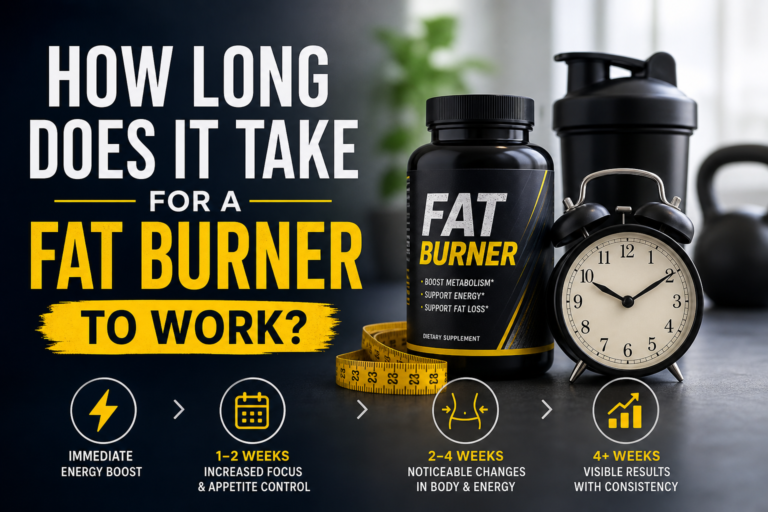
Fat burners are the loudest category. They’re also the most misunderstood.
Most fat burners are really just stimulants. The main players are caffeine and green tea extract. They nudge your metabolism up a little, so you burn slightly more energy, even at rest. You also get an energy kick for workouts.

Who this actually helps: people who want a push before exercise and who handle caffeine well.
Where it falls flat — and this part matters: the “burn” is small. And the side effects are real.
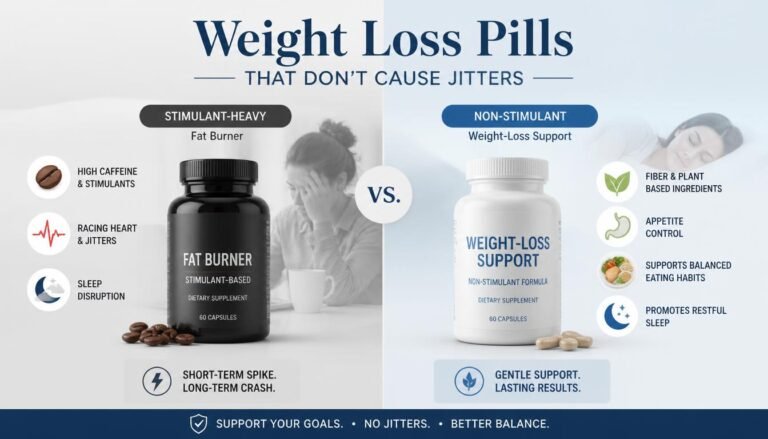
Let’s be blunt about the risks. Stimulant fat burners can cause:
- A racing heart and higher blood pressure
- Jitters, anxiety, and the shakes
- Trouble sleeping, which quietly wrecks weight loss
This category also has a dark history. The FDA banned ephedra-containing supplements back in 2004, and later forced DMAA off the market — both after real injuries and deaths.
So here’s my honest take. If you have any heart condition, high blood pressure, or anxiety — skip this one. Talk to a doctor first.
For a healthy person who tolerates coffee, a caffeine-based fat burner is basically pre-workout with a marketing budget. Fine. Just don’t expect it to melt fat while you sit still.
Don’t just take my word for it. Here’s a straight-talking breakdown of what fat burners really do — and don’t:
Appetite Suppressants: The Best Tool for Overeating
Now the quiet winner for a lot of people. Appetite suppressants come in two flavors. One is safe. One needs caution.
The safe kind is fiber-based. Think glucomannan or psyllium. Here’s the trick. You take it with water before a meal. The fiber swells in your stomach. You feel full sooner, so you eat less.

Who this actually helps: the grazer. The snacker. The person who eats fine at meals but can’t stop after.
Where it shines: it attacks the root cause for most people. Weight gain usually comes from eating too much. Fiber makes “too much” harder to reach. The evidence for fiber-based fullness is modest but consistent. And the safety profile is good for most healthy adults.
The other kind is stimulant-based appetite suppressants. These carry the same heart and jitter risks as fat burners. Treat them with the same caution.
One rule you must follow with fiber suppressants. Always take them with a big glass of water. Taken dry, they can swell in your throat. That’s dangerous.
Which Weight Loss Supplement Is Best for You?
Here’s the answer the ads refuse to give you. It depends on you.
The best weight loss supplement depends on your eating habit. Choose a carb blocker if starchy meals are your weakness, a fat burner if you want workout energy and tolerate caffeine, and a fiber appetite suppressant if you simply overeat. Most people overeat, so appetite suppressants help the widest group.
Let me make it dead simple:
- Your problem is starchy meals? → Carb blocker.
- You want workout energy and handle caffeine? → Fat burner, with care.
- You just eat too much, too often? → Fiber appetite suppressant.
Most people, if I had to bet, fall into that third bucket. Overeating drives more weight gain than any other single thing. That’s why appetite control tends to win for the widest group. It hits the actual cause, not a side road.
But the “best” tool is always the one that fits your real habit. Not the one with the best commercial.
Recommended Weight Loss Supplements: One Clean Pick Per Tool
If you’ve spotted your weak spot and want to try the matching tool, here’s one solid, no-junk option for each. These aren’t magic picks — they’re non-stimulant, GMP-certified formulas from an established brand, so you’re not gambling on a proprietary blend.
Disclosure: As an Amazon Associate, this site earns from qualifying purchases. Links go to Amazon, where you can check the current price and reviews.
- For starchy meals (carb blocker): NOW Foods Phase 2 White Kidney Bean Extract, 500 mg — a non-stimulant Phaseolus vulgaris extract that slows the starch-digesting enzyme alpha-amylase, the exact mechanism described above. Take it before your largest starch-heavy meals.
- For workout energy (clean fat burner): NOW Foods EGCg Green Tea Extract, 400 mg — standardized green tea catechins with only a few milligrams of naturally occurring caffeine. It’s the gentle end of the “fat burner” category, not a harsh stimulant stack. Best if you already tolerate caffeine well.
- For overeating (fiber appetite suppressant): NOW Foods Glucomannan, 575 mg — a konjac-root soluble fiber that swells in your stomach to blunt hunger. Take it with a full glass of water 30–45 minutes before meals, never dry.
Do Diet Pills Actually Work? What Both Sides Get Right
Here’s the part both sides miss. Critics are right that these pills get oversold. Fans are right that how they work still matters. Both can be true at the same time.
The people who win aren’t the ones who found a magic bottle. They’re the ones who matched a small, real tool to one honest weak spot.
That’s the mindset shift. Stop asking “which pill burns fat?” Start asking “where exactly does my eating go wrong?” Answer that, and the right tool picks itself.
Why Supplements Can’t Replace Diet and Exercise
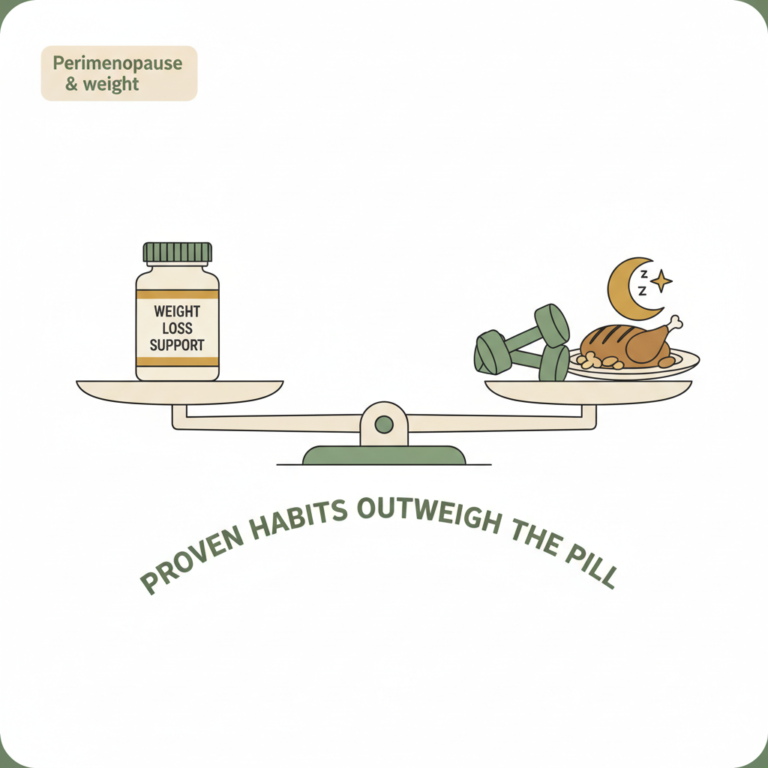
Now the part that protects you from getting burned again. None of these three replaces the basics. Not one. They’re edges, not engines. The engine is still your food, your sleep, your movement.
A carb blocker won’t save a junk-food diet. A fat burner won’t outrun a fork. An appetite suppressant won’t work if you ignore the fullness it gives you. Anyone who tells you otherwise is selling, not helping. That’s the exact lie that burned you last time.
Real talk: a good diet with no supplement beats a bad diet with one. Every single time.
Weight Loss Supplement Safety: Who Should Avoid Them
Please don’t skip this. It’s short.
Talk to a doctor before starting any of these if you:
- Take prescription medication
- Have heart issues, high blood pressure, or diabetes
- Are pregnant or breastfeeding
- Have a history of disordered eating
Here’s a fact that surprises people: the FDA doesn’t approve weight loss supplements for safety or effectiveness before they reach store shelves. That means what’s on the label isn’t always what’s in the bottle. So buy only from brands that pay for third-party testing.
And if your relationship with food or your body feels heavy or out of control, a tool from a shelf isn’t the answer. A real conversation with a doctor or counselor is. There’s no shame in that — it’s the strongest move you can make.
How to Pick the Right Weight Loss Supplement
So stop shopping for the best weight loss supplement. There’s no such thing. There’s only the one that fits how you actually eat — and two others that’ll waste your money.
Do this before you spend a dollar: write down your single biggest eating weak spot. One line. Match it to the one tool that hits it. Run it for 30 days on top of real food and real movement, and only if your doctor’s cleared you. Then judge it by your own results instead of some guy in an ad.
That’s the whole game. Pick the tool that’s yours, ignore the other two, and quit handing your money to the magic-bottle crowd.
Frequently Asked Questions
Do carb blockers actually work? Somewhat. White kidney bean extract (Phaseolus vulgaris) slows the enzyme that breaks starch into sugar, so you absorb fewer starch calories. Studies show a small but real effect alongside a sensible diet — think a pound or two beyond dieting, not a miracle. It only works on starch, not sugar or fat.
Are fat burners safe? For healthy people who tolerate caffeine, caffeine- and green-tea-based fat burners are usually low-risk but only mildly effective. They can cause a racing heart, higher blood pressure, jitters, and poor sleep. If you have heart problems, high blood pressure, or anxiety, skip them and talk to a doctor — and steer clear of banned stimulants like ephedra and DMAA.
What’s the best appetite suppressant for overeating? For most people, a fiber-based suppressant like glucomannan or psyllium. Taken with water before a meal, it swells in your stomach so you feel full sooner and eat less. Always take it with a big glass of water — never dry — so it doesn’t swell in your throat.
Can you take carb blockers, fat burners, and appetite suppressants together? It’s rarely necessary and not something to do without medical advice. Each one targets a different eating problem, and stacking stimulants raises your side-effect risk. Match one tool to your single biggest weak spot instead of taking all three.
Do weight loss supplements work without diet and exercise? No. They’re edges, not engines, and even at their best the effect is small. A good diet with no supplement beats a bad diet with one every time. Use them on top of real food, sleep, and movement — or skip them.
Who should avoid weight loss supplements? Talk to a doctor first if you’re pregnant or breastfeeding, take prescription medication, or have heart disease, high blood pressure, or diabetes. If you have a history of disordered eating or your relationship with food feels out of control, a supplement isn’t the answer — a doctor or counselor is.